FIELD NOTES BLOG
Spring Community Science
Explore Community Science
What do you think of when community, nature, and science come together? Community Science here at Severson Dells Nature Center! Where great moments and memories are made through connecting people with our environment.
What is Community Science, and how can you take part?
Community Science is a great way for volunteers to get involved with engaging science driven programs and activities within your community! Programs are hosted by Severson Dells and partnering organizations, based on the specific program. Joining us is free to attend, with different training events available for desired opportunities.
What's coming up?
Spring is a great time for Community Science, here are some ways to get involved!
- Restoration workday (every second Saturday of the month)
- Science of The Seasons Hike (every second Saturday of the month)
- General Community Science Information Webinar (March 11th, 6pm to 7pm)
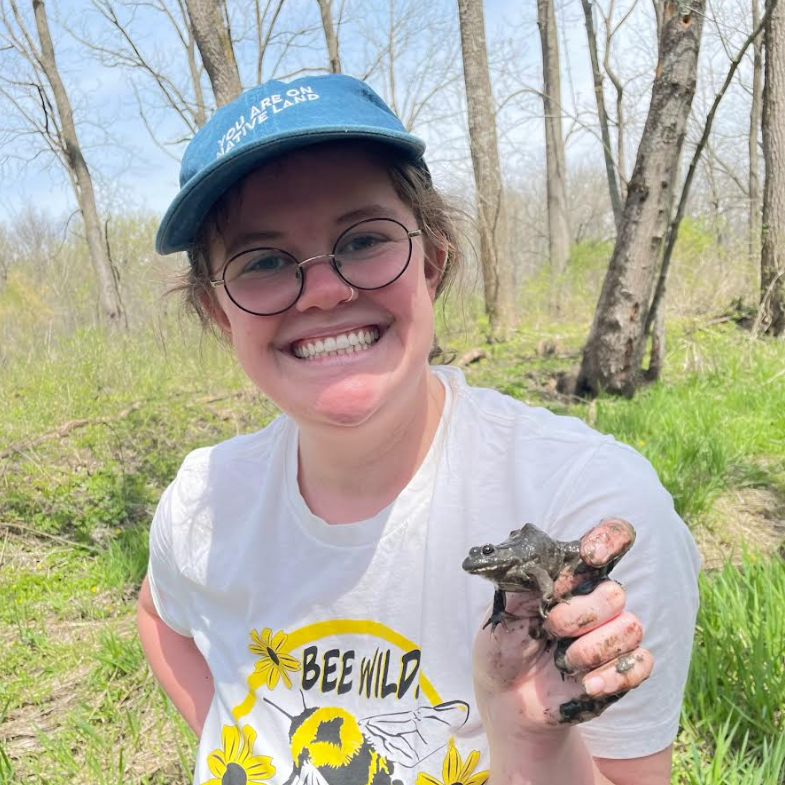

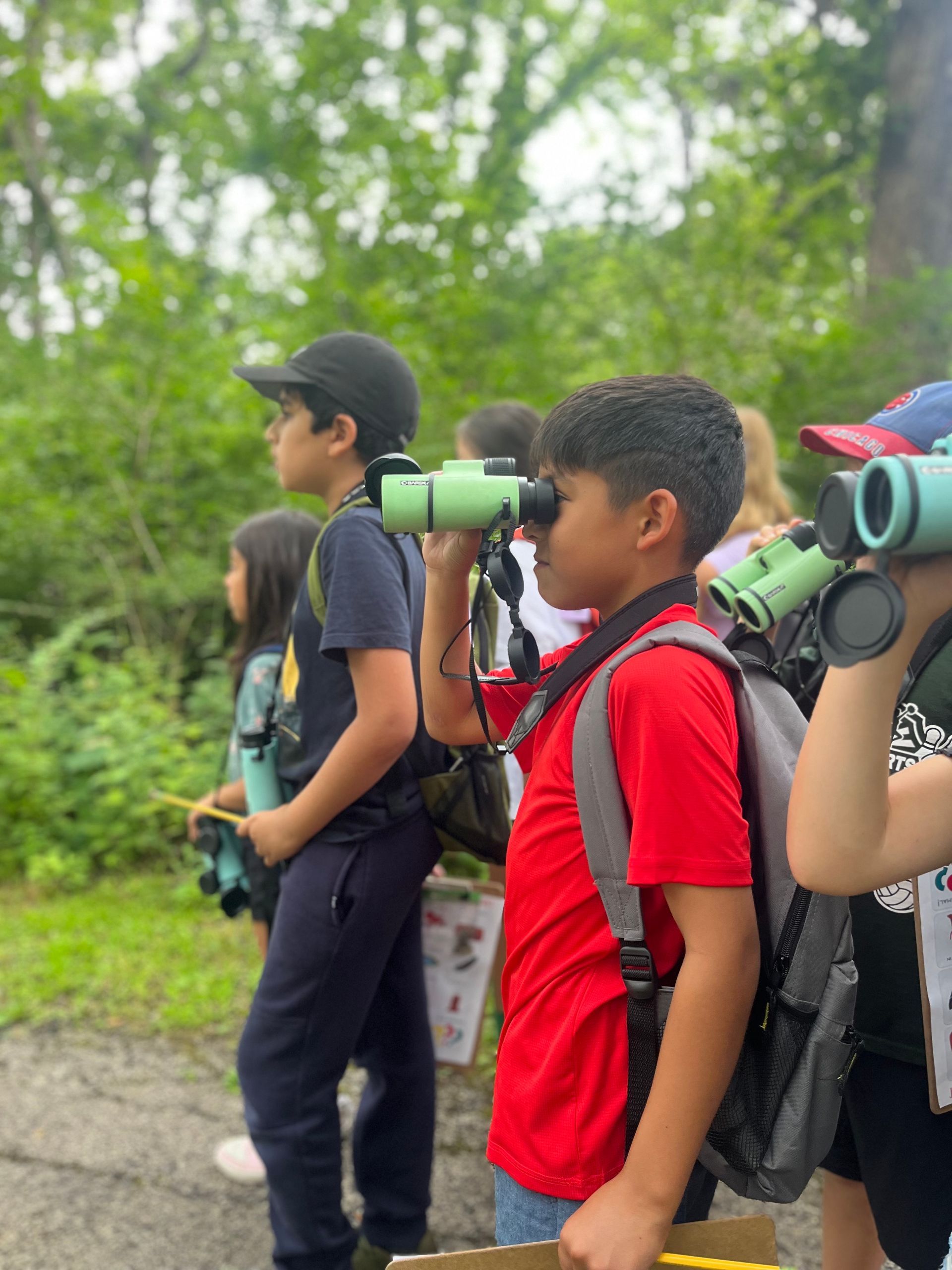
Engage with your community on restoration workdays by helping to remove invasive species! We provide everything you may need such as gloves, eyewear, clippers, and snacks! Science of the Seasons is a monthly hike focused on real community driven science! We will learn about plant and wildlife ID, seasonal Phenology, and different monitoring techniques. Lastly, get excited for our webinar training series! Starting with our general informational webinar March 11th at 6pm, where we will go over important information on our community science programs coming up!
Programs include:
- Budburst
- March 18th (6pm virtually)
- Beespotter
- April 15th (6pm virtually)
- Bat Monitoring
- April 22nd (6pm virtually)
What next?
If any of these programs caught your interest or you're simply wanting to learn more about what Community Science is, RSVP for our community science general informational webinar. If you’re interested in other opportunities or have further questions, please reach out to communityscience@seversondells.org for more information on how to get involved!
RECENT ARTICLES