FIELD NOTES BLOG

Five Nature Books You Should Know

Caroline Pacheco
March 18, 2026

If you’re a reader interested in learning more about nature, then you’ve probably browsed a few book lists looking for recommendations and quickly got overwhelmed by the sheer amount of nature books that exist. There are certainly some classics such as Silent Spring or Walden, but it can be hard to decipher what to read when selecting more current publications. At Severson Dells, our staff is full of voracious readers (seriously, three different people got books about octopi in the holiday gift exchange) and are happy to provide some recommendations!


These recommendations are more recent publications, within the last ten years, and have all been read and enjoyed by at least one member of the staff here at Severson. They vary in topic, but all share the common thread of getting people engaged in the nature around them.

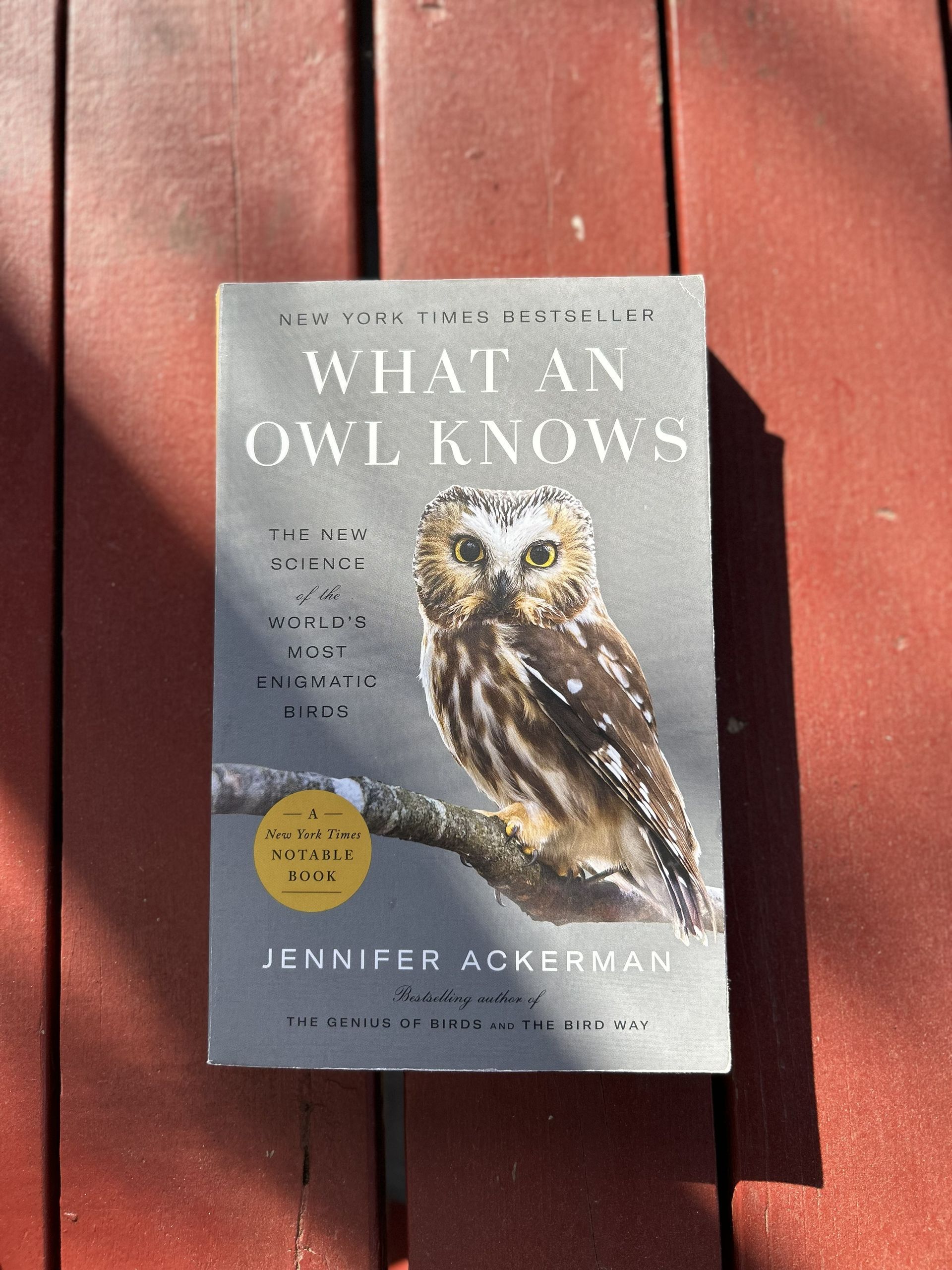
What an Owl Knows by Jennifer Ackerman


With over 260 species of owls located around the world, these birds are often considered enigmatic and mysterious. Owls have been the inspiration for art and folklore through the centuries, and scientists are still just figuring out things like how owls communicate with one another, or why Snowy Owls go further North in the Winter. Ackerman sheds light on just some of the things owl experts have learned about these birds and how they are studied.


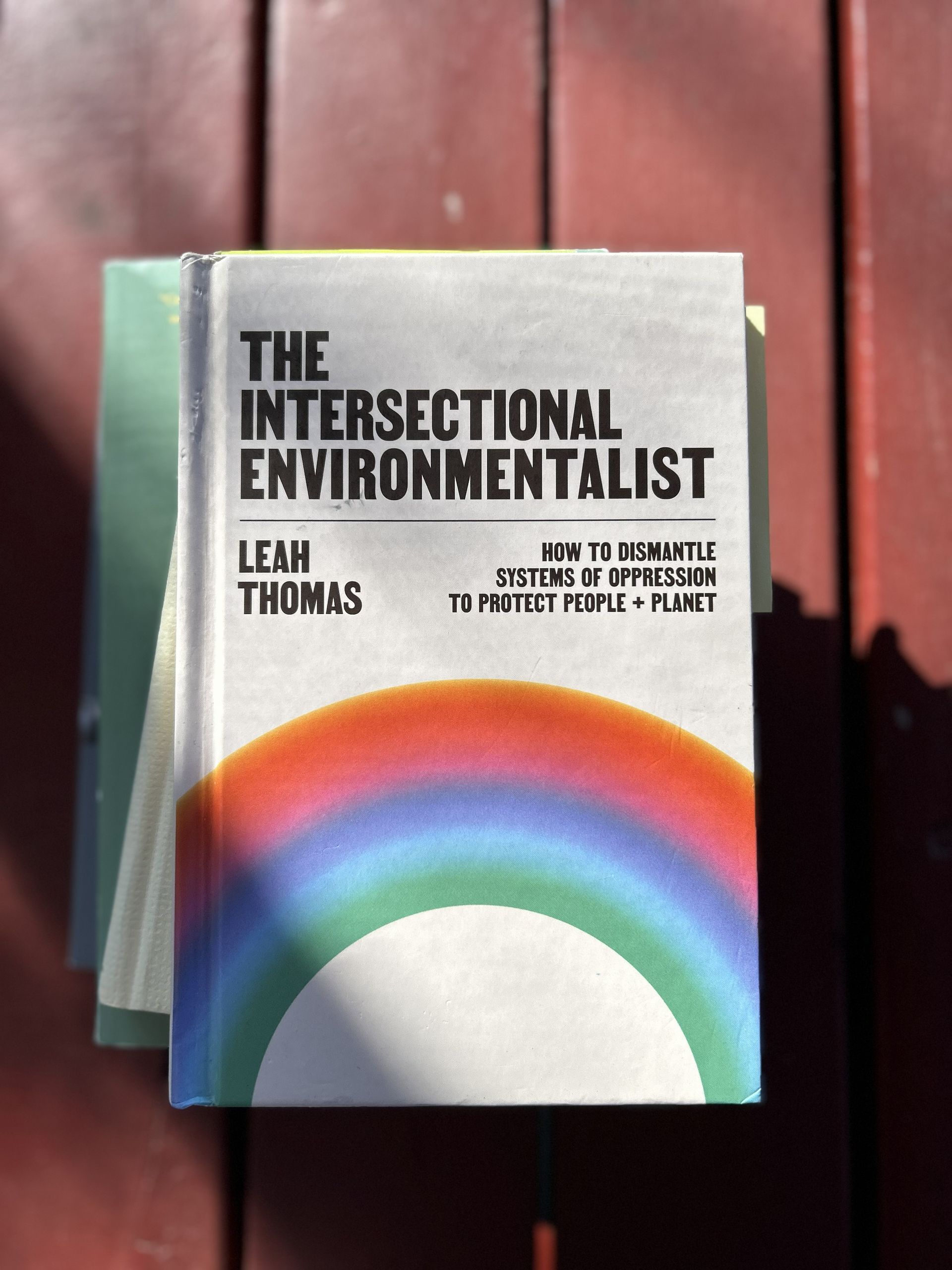
The Intersectional Environmentalist by Leah Thomas


Whether you are reading this with your book club or independently, this book is a great resource if you are looking for a starting point on how to become active in the environmental movement. Starting off with the history of the environmentalism and civil rights movement, then moving into how the environment impacts various communities, the book is interspersed with moments for self-reflection and discussion. The book itself is a short read at 136 pages, and the second half of the book is a tool kit for readers to learn more and to provide support within their community.


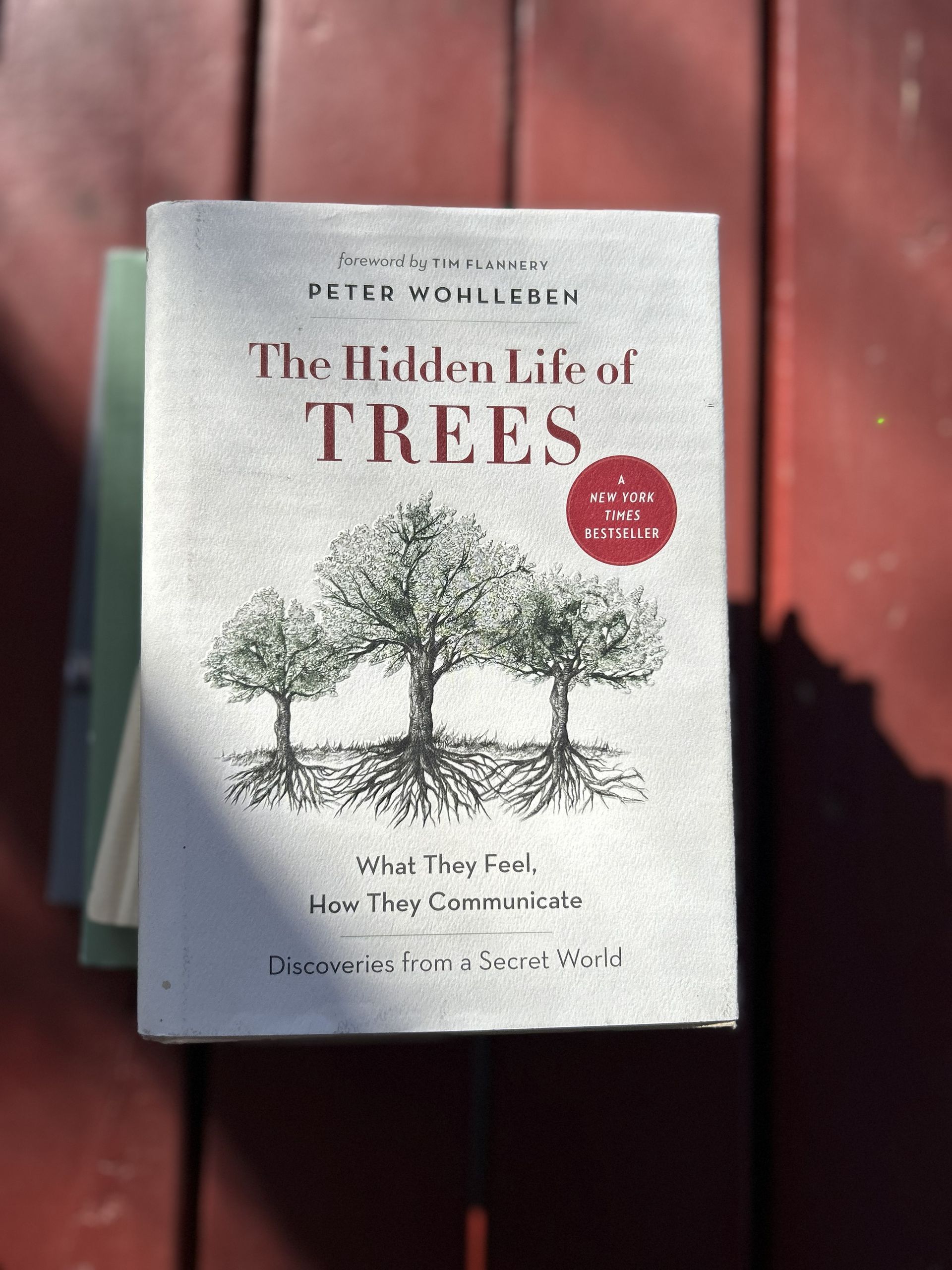
The Hidden Life of Trees by Peter Wohlleben, translation by Jane Billingshurst


Reading this book made  me want to run into the woods to see everything that Wohlleben describes, and I hope it gives you the same feeling. This book provides careful reflection of how humans understand trees, and how we expect trees to behave versus what trees actually need. Hidden Life is available as an audiobook, how I read it, a graphic novel, and has also inspired a documentary. No matter what kind of reader you are, this is a great pick.

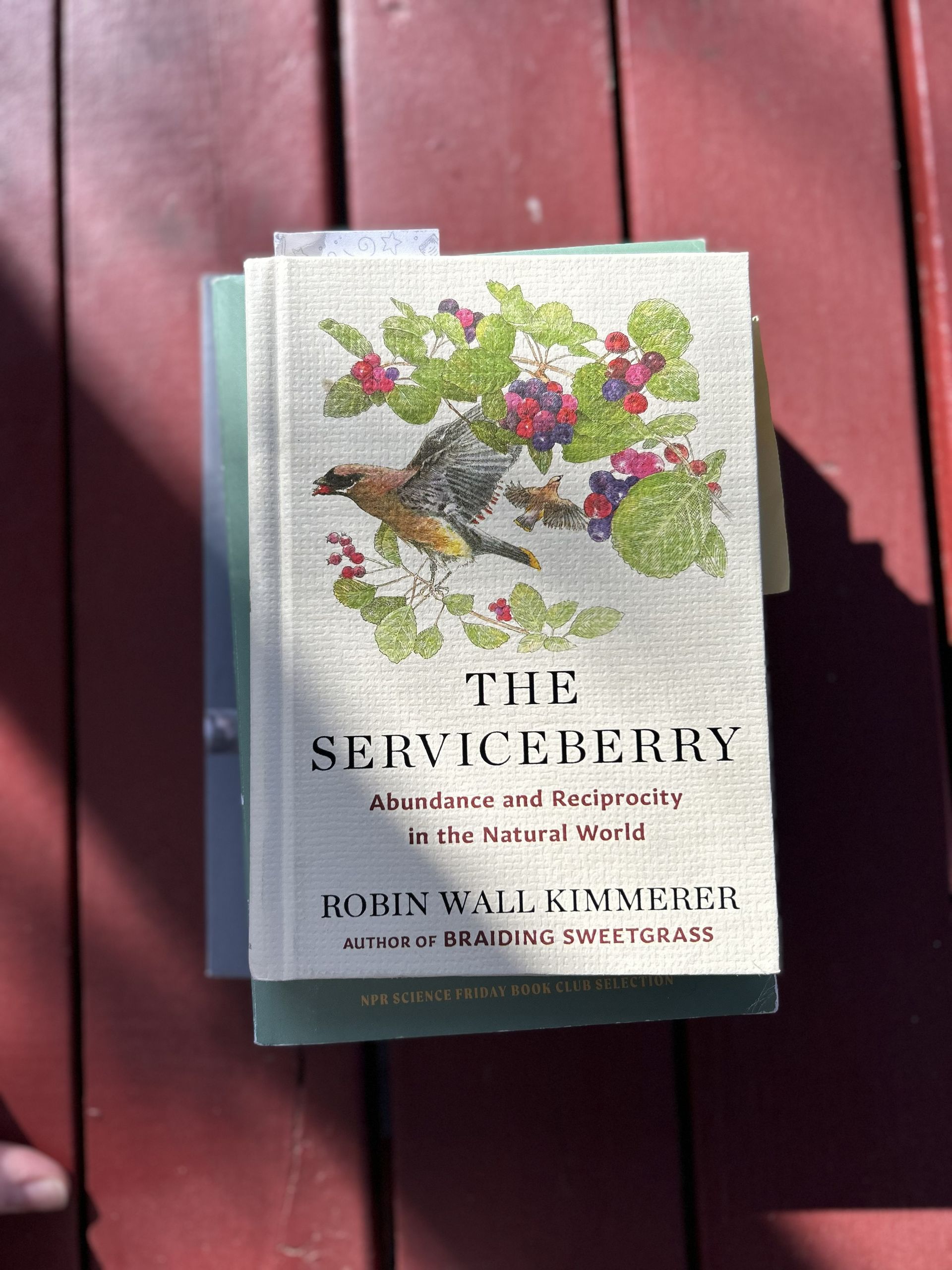
The Serviceberry by Robin Wall Kimmerer


Did you think I wasn’t going to mention thee Robin Wall Kimmerer? Of course I am! Best known for her work Braiding Sweetgrass, Kimmerer expands on the idea of how people interact with their ecosystems by looking at the serviceberry. In the book, she discusses how trading goods and services directly without money can expand our relationships. Written in her usual lyricism and accompanied by gorgeous illustrations, this book is a short yet impactful read. 

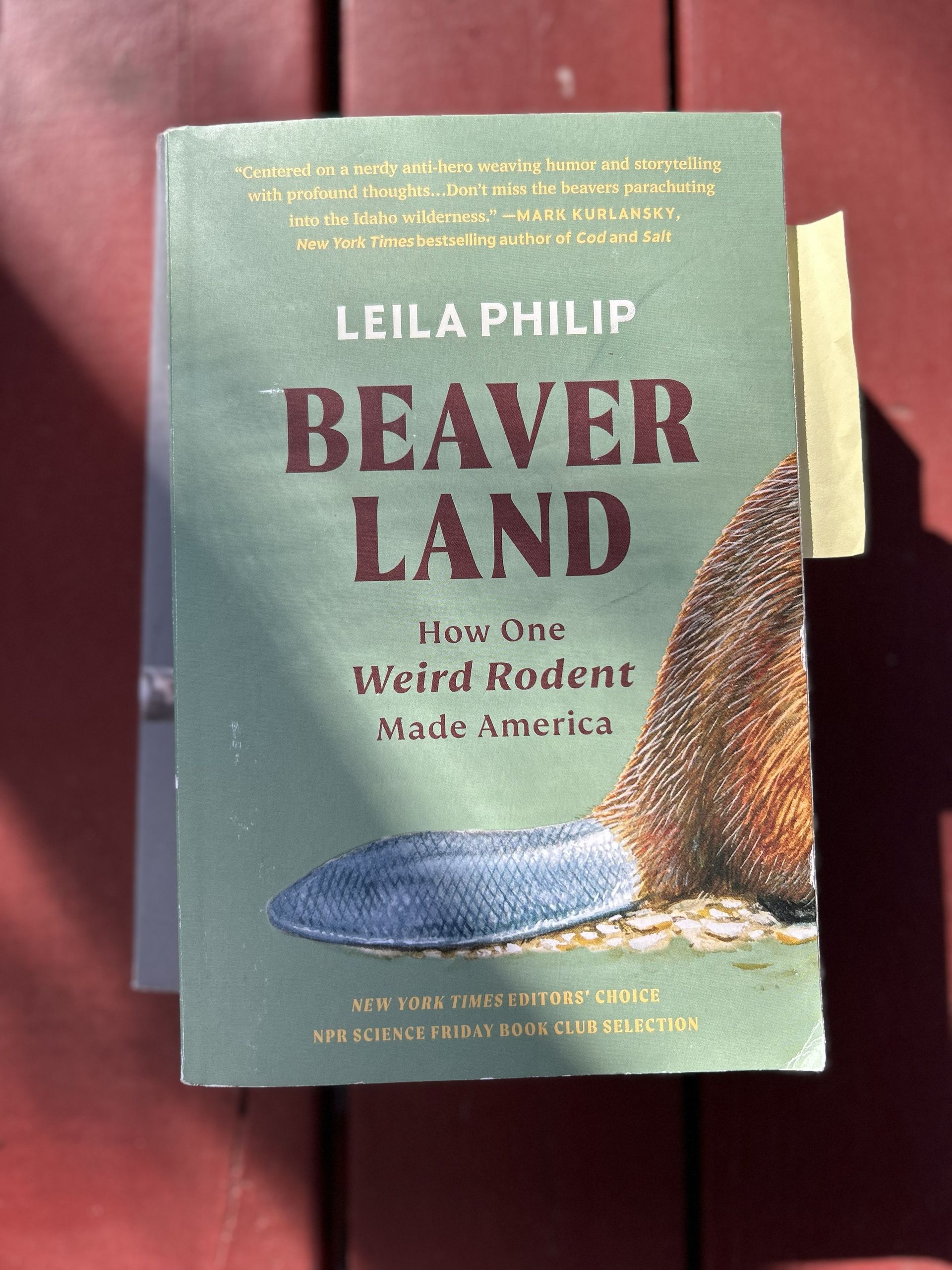
Beaverland by Leila Philip


If you’re in the mood for a deep dive into a particular topic, this is the book. Philip goes through not only the environmental impact of beavers, but also the cultural impact they have, reaching as far back as the Middle Ages. The book utilizes four years of interviews where Philip integrates herself into various communities that are all connected to the beaver, as well as extensive historical research on human interactions with the rodent.


These books aren't ranked or listed in a particular order, but all are great jumping off points for different topics under the broad umbrella of nature. If you’re interested in any of these books, check to see if they’re available at Rockford Public Library or Rockford's local book shop, Maze Books


Happy Reading!

RECENT ARTICLES

By Linda Sandquist April 27, 2026
As our organization’s Director of Development, I have the pleasure of presenting opportunities to people to invest their time, treasure, and talent in the work we do. I ask people to invest their financial gifts to keep our operations going and I’ll soon be asking people to help fund the renovation of the former clubhouse at Prairie’s Edge into Wild Roots Nature Center. I ask people for their talent when I consult members of our board of directors on investment matters, legal questions, and networking opportunities. But the best ask is when my colleagues and I ask people to give up their time to help Severson Dells (soon to be Wild Roots Nature Center ) provide hands-on, science-based nature education. We simply cannot operate without our volunteers ! Imagine a school field trip without the smiling adult faces who help kids howl like coyotes, touch a toad, or smell wildflowers for the first time. Our Science Saturday Hosts bring science to life at our activity stations and engage intergenerational visitors with fun and intriguing STEM education. Our Conservation Crew volunteers get their hands dirty when they pull up and destroy invasive species, collect prairie seeds, and install native plant gardens in the community. It’s my pleasure to wrap up the month of April with a big thank you to all the people who volunteer for Severson Dells Nature Center. You are special people and deserve to be recognized. I would be remiss if I didn’t ask anyone reading this to consider volunteering here with us . I promise we will welcome you with open arms and you will feel connected to other like-minded people and a very special place. You’ll make a difference in your life and in the lives of others. And that’s my lowdown.
April 22, 2026
City Nature Challenge is Friday, April 24th- Monday, April 27th As spring becomes in full bloom, every naturalist's favorite time of the year returns: City Nature Challenge! City Nature Challenge is an annual, global, 4-day bioblitz at the end of April, where cities compete and collaborate to document plants and wildlife in and around cities throughout the world and help fight biodiversity loss! Every observation you make of WILD nature is a data point that helps scientists and researchers understand and protect nature for all of us. This event first began in 2016 as a friendly competition between Los Angeles and San Francisco, with the goal of engaging residents and visitors in documenting nature to better understand urban biodiversity. Since then, it has turned into a worldwide competition that over 100,000 people participate in! The goals of this now global event is to engage the public in the collection of biodiversity data, with three awards each year for the cities that make the most observations, find the most species, and engage the most people. Participating in the City Nature Challenge is easy, and it’s accessible to people of all ages and education levels in the sciences! All you have to do is download the free mobile app iNaturalist , take photos of wild flora, fauna, or fungi, and share the photos to iNaturalist to document your observations. If your plant ID isn’t too sharp, don’t worry! iNaturalists automated species identification feature can often help you identify what you're spotting, as well as the community of users on iNaturalist that includes professional scientists and expert naturalists. The observation period is followed by several days of identification and the final announcement of results. In Rockford, we are part of the Rock River Valley City Nature Challenge Team. The Rock River Valley Team is coordinated by Severson Dells Nature Center and includes multiple partner organizations. Any post made in Winnebago, Boone, Ogle, DeKalb, and Stephenson counties counts toward the Rock River Valley Team's total. This means anyone who makes posts in this region is part of our team! Partner organizations include Rockford Park District, Nature at the Confluence, Byron Forest Preserve District, Northern Illinois University, Boone County Conservation District, Forest Preserves of Winnebago County, Natural Land Institute, DeKalb County Forest Preserve District, and Atwood Nature Center.
By Caedyn Wells, Lauren Bonavia, Olivia Price, Caroline Pacheco April 15, 2026
April showers bring May flowers… and they're already beginning to appear! These newly emerging wildflowers remind us that the season is changing and that soon the lands around us will be in full bloom. With all of the excitement, let’s dive into some of the things that make flowers so incredible! In this month’s blog, we’ll be learning how to ID wildflowers, talk about the shape and arrangement of certain flowers, their benefits to wildlife, and lastly about their colors and anatomy!