FIELD NOTES BLOG
Birding for Tots: Your Child's First 'Big Year'
People are increasingly taking up birdwatching as a hobby - and it’s for good reason. Some even aim for a ‘Big Year’, or seeing as many birds as possible in one calendar year. Regardless of your level of commitment, one thing is sure: spending time in nature, off screens, and meaningfully interacting with the people and world around us benefits our health, society, and the environment.
Biophilia: Engaging With Nature is a Basic Need
Studies show that noticing one thing in nature makes people more hopeful in their everyday lives. Biophilia is the widely accepted theory that engagement with nature is a basic psychological need, and correlates with wellbeing. It supports the idea that children are inherently fascinated by nature. So, what better time to start engaging with nature than with young children?
We know the benefits that nature provides, and we can use this to build resilient, hopeful, and aware members of society - our future scientists, teachers, politicians, and neighbors. Children are inherently fascinated and affiliated with nature, and this has direct
links to health, education and eventually environmental protection when this desire is nurtured.
Educational and Developmental Benefits
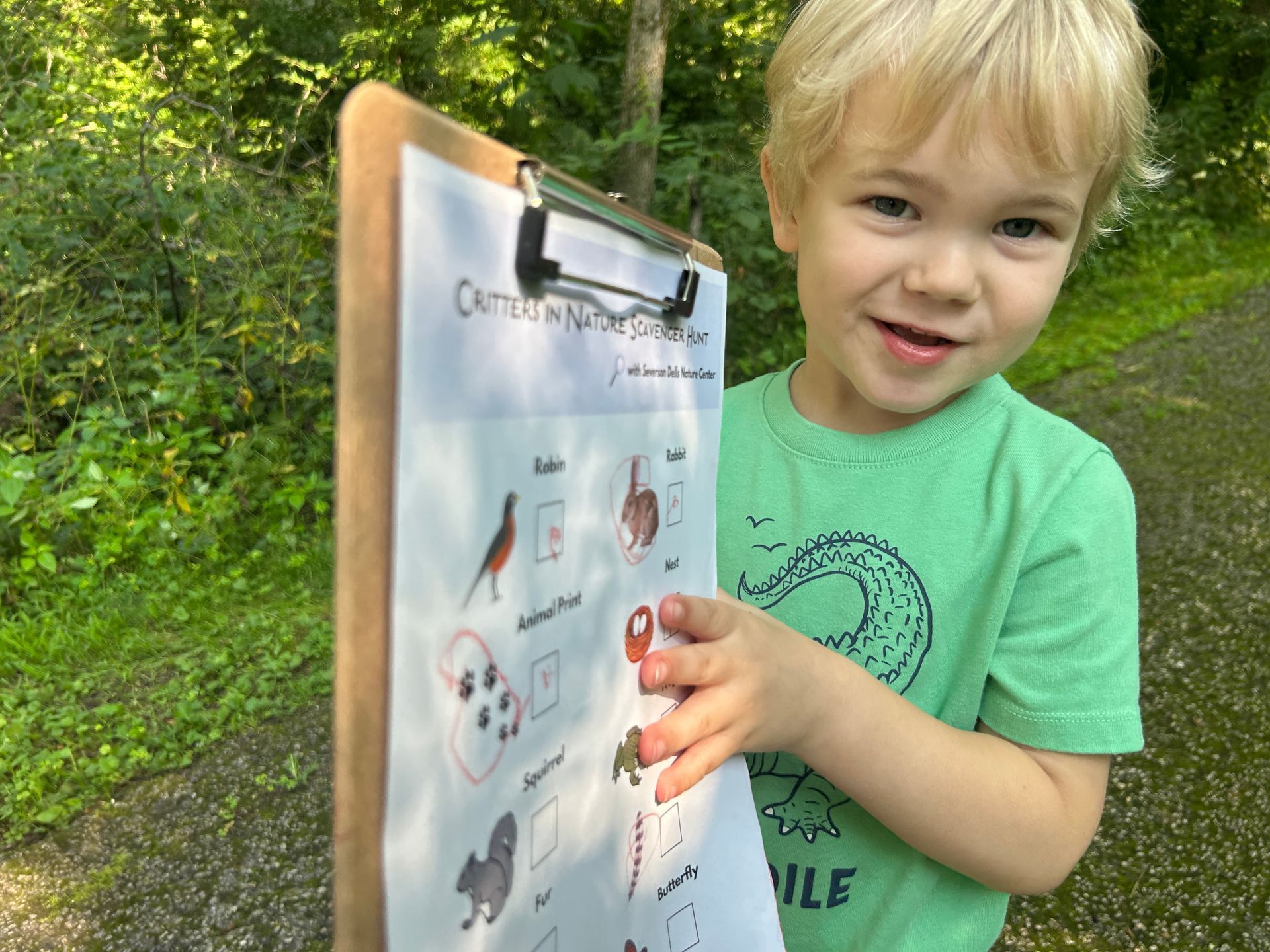
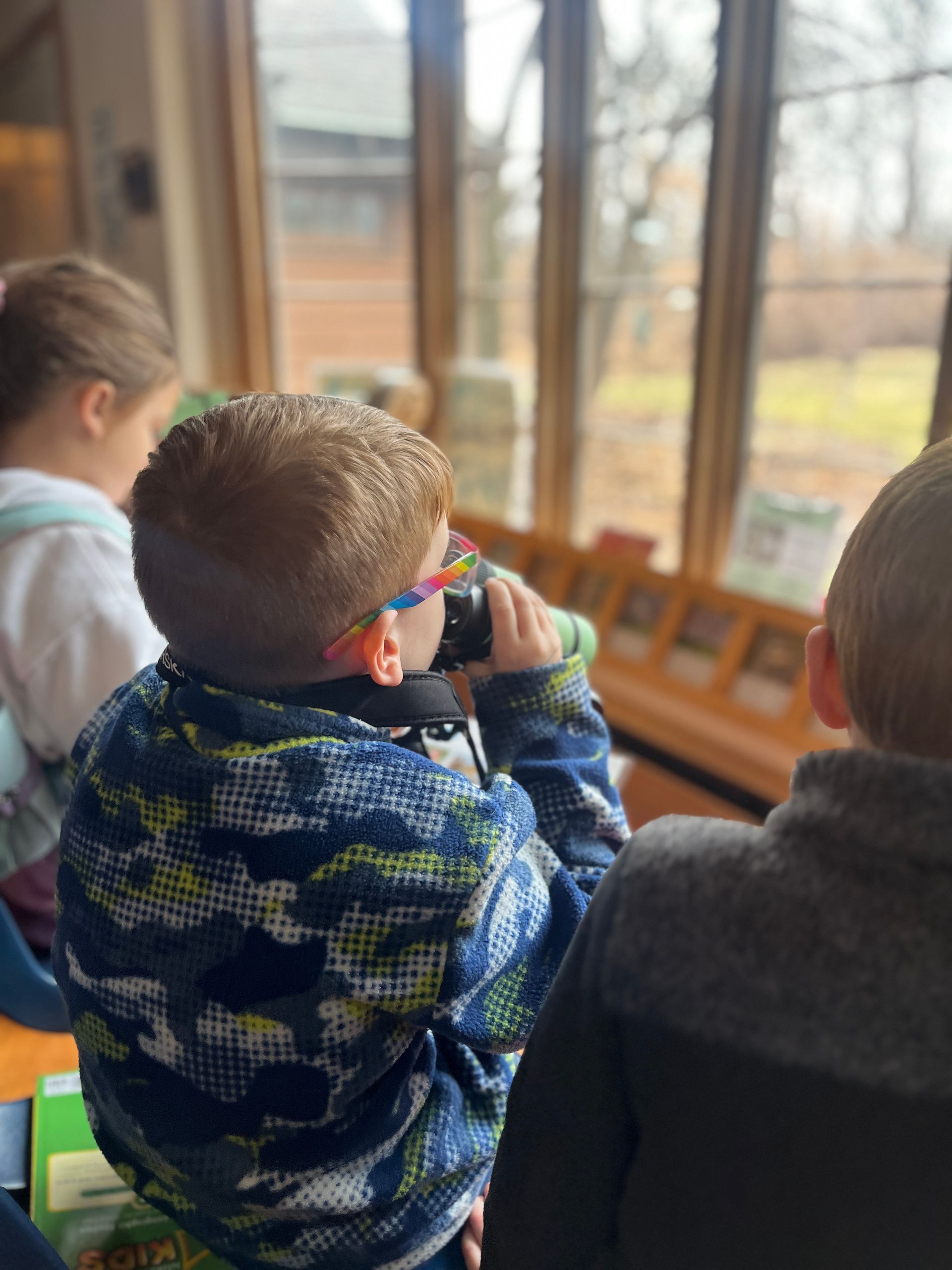
Birdwatching provides opportunities to learn and exercise skills for young children in different developmental stages. Birds have observable characteristics you can discuss with your child, like colors, patterns, shapes, and numbers. Their frequent movement, noise, and colors make birds spottable and attention-grabbing.
Other skills to build include matching, object permanence, active listening, intentional observation, auditory localization and discrimination, fine motor skills, empathy, emotional regulation, and other life and science concepts.
Birdwatching is for Everyone
Birdwatching can be accessible for everyone in terms of resources, equipment, location, and skill, making it a family-friendly activity to be shared across generations and abilities*. People of all ages and interests love collecting things, and birds are like real-life Pokémon! Hundreds of species live in Illinois alone, so don’t worry about exhausting them all at once.
What You'll need:
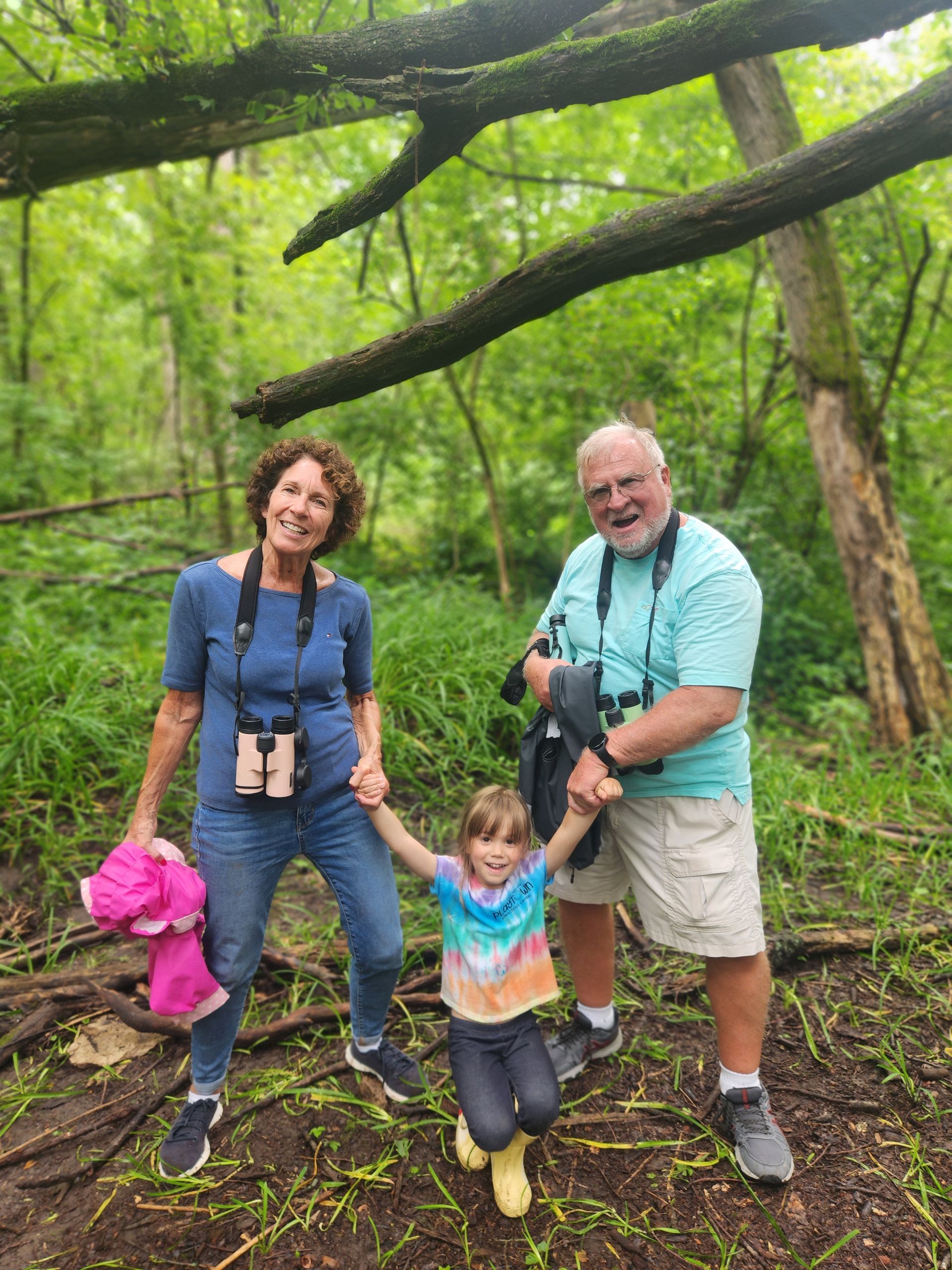
While fancy equipment certainly isn't necessary, you may invest after getting hooked! Families are welcome to borrow
free
Adventure Packs from the Severson Dells front desk - equipped with binoculars, books, and fun activities to enjoy on site. Or, make your own following
this guide! Check out bird guides and nature-themed books from the
nature center library, or your community library! Additionally, there’s an array of free online resources, including
Merlin Bird ID, an app that detects birdsongs, suggest birds in your area, and tracks the birds you've seen already! Plus, you are contributing to community science and conservation efforts.
Where to Go:
Birdwatching can take you far and wide, or as close as your neighborhood! You don’t have to take a long hike or have a big yard - just a window or outdoor space. You can even birdwatch from a vehicle! You can find an abundance of species thriving in urban spaces like parking lots, roadside easements, parks, backyards, and even represented on TV or social media. While quiet helps, birdwatching can be very forgiving of noise from cars and children, and some birds won’t care at all.
Come watch birds at our birdfeeders, contribute to our bird board, and enjoy our trails, open from sunrise to sunset daily. Keep an eye out for Guided Hike programs, too!
Low Stakes, High Rewards
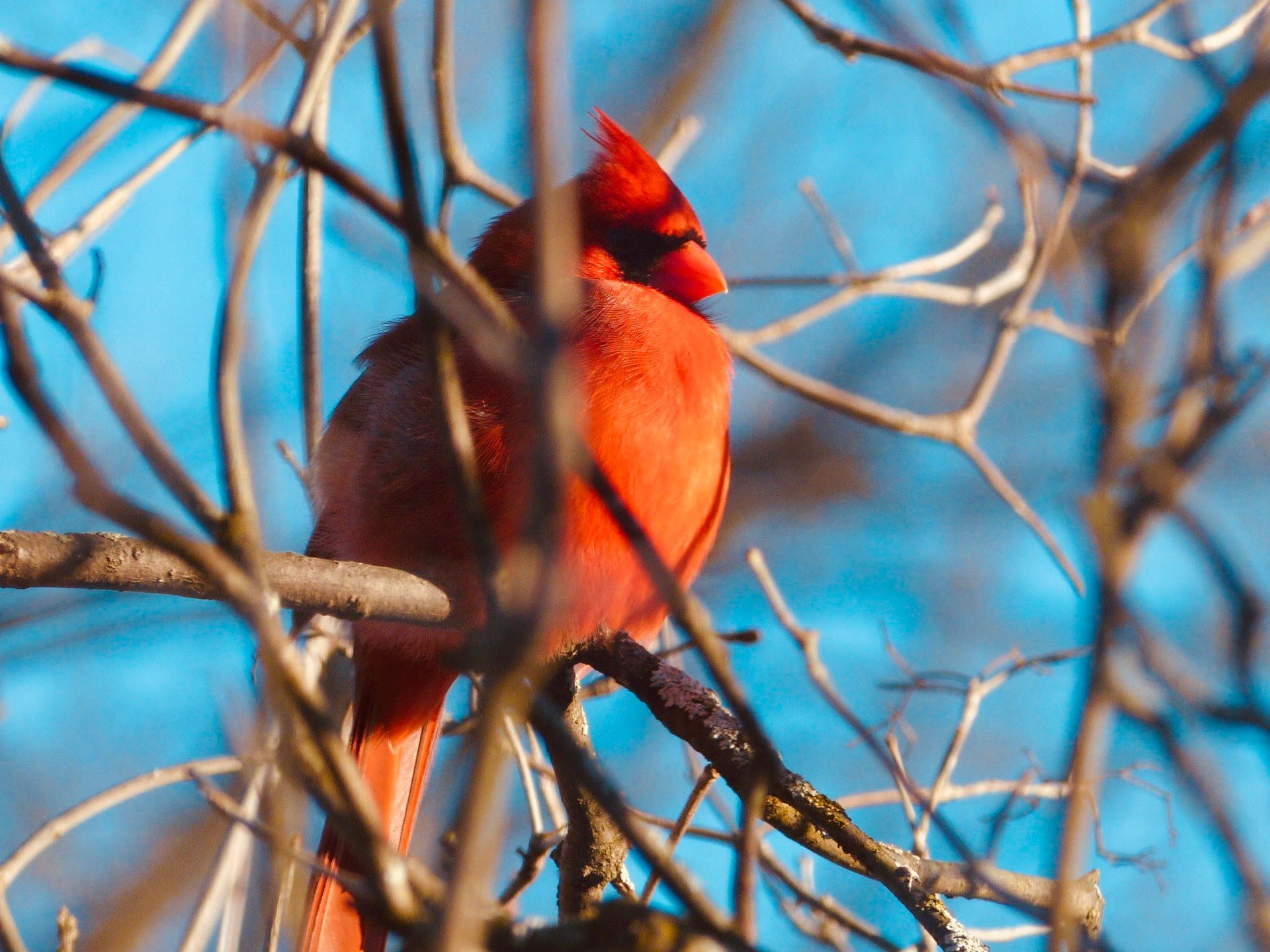
Like any new hobby, birding can be intimidating to get into, but birdwatching is a spectrum, and you do not need to be an expert. Apps like Merlin help make identification easy, but it's not necessary either. ‘Northern cardinal’ or simply ‘red bird’ - there are no wrong answers when you are engaging with the world around you!
However, the point is spending time outside with your child, intentionally interacting with nature. Nurture their innate fascination with the world. This not only benefits your child, but also provides parents time to slow down, ground, and be present with yourself, and your little ones.
Birdwatching is for everyone, and nature is for everyone! Welcome to the world of birdwatching!
*Visit
Birdability to explore accessible birdwatching options near you!
Sources
Holli-Anne Passmore, Alissa Yargeau, Joslin Blench: Wellbeing in Winter: Testing the Noticing Nature Intervention During Winter Months
Giuseppe Barbiero and Rita Berto: Biophilia as Evolutionary Adaptation: An Onto- and Phylogenetic Framework for Biophilic Design
Giuseppe Barbiero and Rita Berto:
From Biophilia to Naturalist Intelligence Passing Through Perceived Restorativeness and Connection to Nature
RECENT ARTICLES