FIELD NOTES BLOG

Lowdown with Linda: Volunteering
Linda Sandquist
April 27, 2026

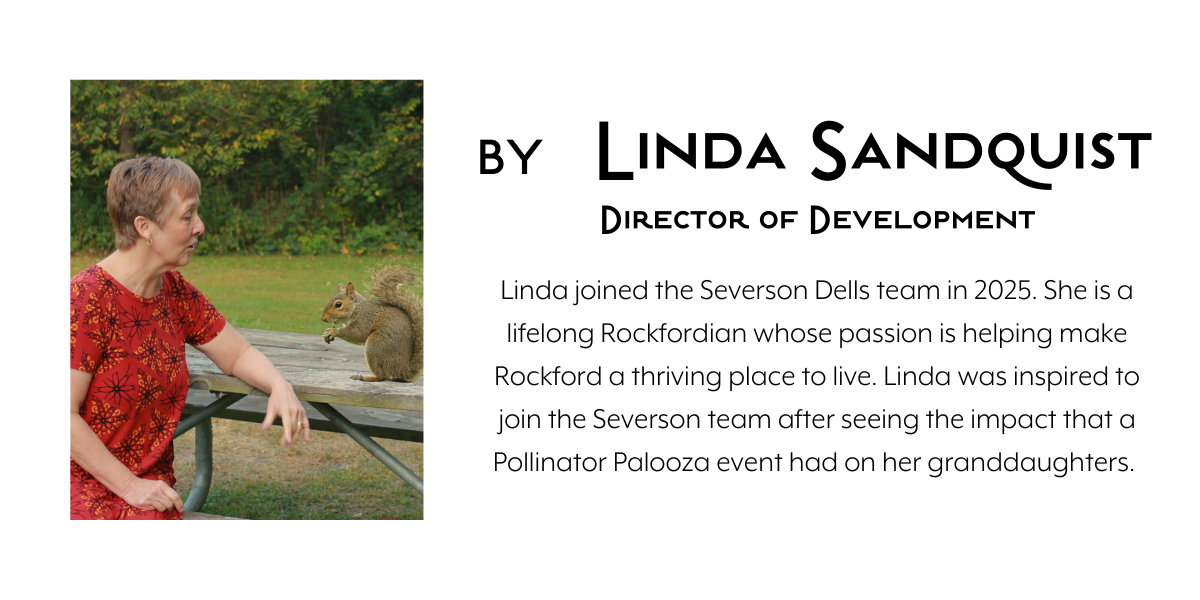
As our organization’s Director of Development, I have the pleasure of presenting opportunities to people to invest their time, treasure, and talent in the work we do. I ask people to invest their financial gifts to keep our operations going and I’ll soon be asking people to help fund the renovation of the former clubhouse at Prairie’s Edge into Wild Roots Nature Center. I ask people for their talent when I consult members of our board of directors on investment matters, legal questions, and networking opportunities.


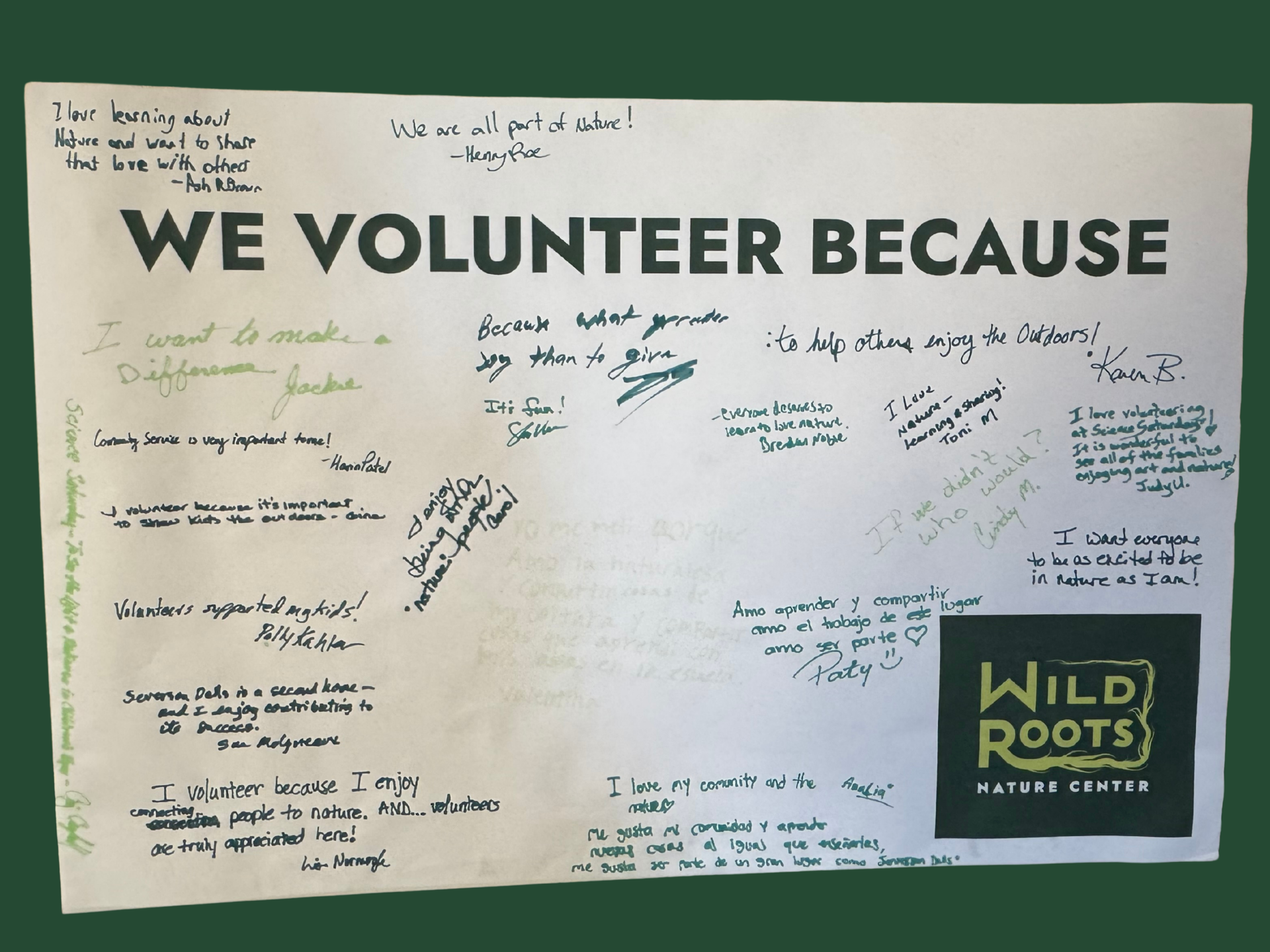
But the best ask is when my colleagues and I ask people to give up their time to help Severson Dells (soon to be Wild Roots Nature Center) provide hands-on, science-based nature education. We simply cannot operate without our volunteers! Imagine a school field trip without the smiling adult faces who help kids howl like coyotes, touch a toad, or smell wildflowers for the first time. Our Science Saturday Hosts bring science to life at our activity stations and engage intergenerational visitors with fun and intriguing STEM education. Our Conservation Crew volunteers get their hands dirty when they pull up and destroy invasive species, collect prairie seeds, and install native plant gardens in the community. 


It’s my pleasure to wrap up the month of April with a big thank you to all the people who volunteer for Severson Dells Nature Center. You are special people and deserve to be recognized. I would be remiss if I didn’t ask anyone reading this to consider volunteering here with us. I promise we will welcome you with open arms and you will feel connected to other like-minded people and a very special place. You’ll make a difference in your life and in the lives of others. And that’s my lowdown. 
RECENT ARTICLES
By Emma Zimmerman June 4, 2026
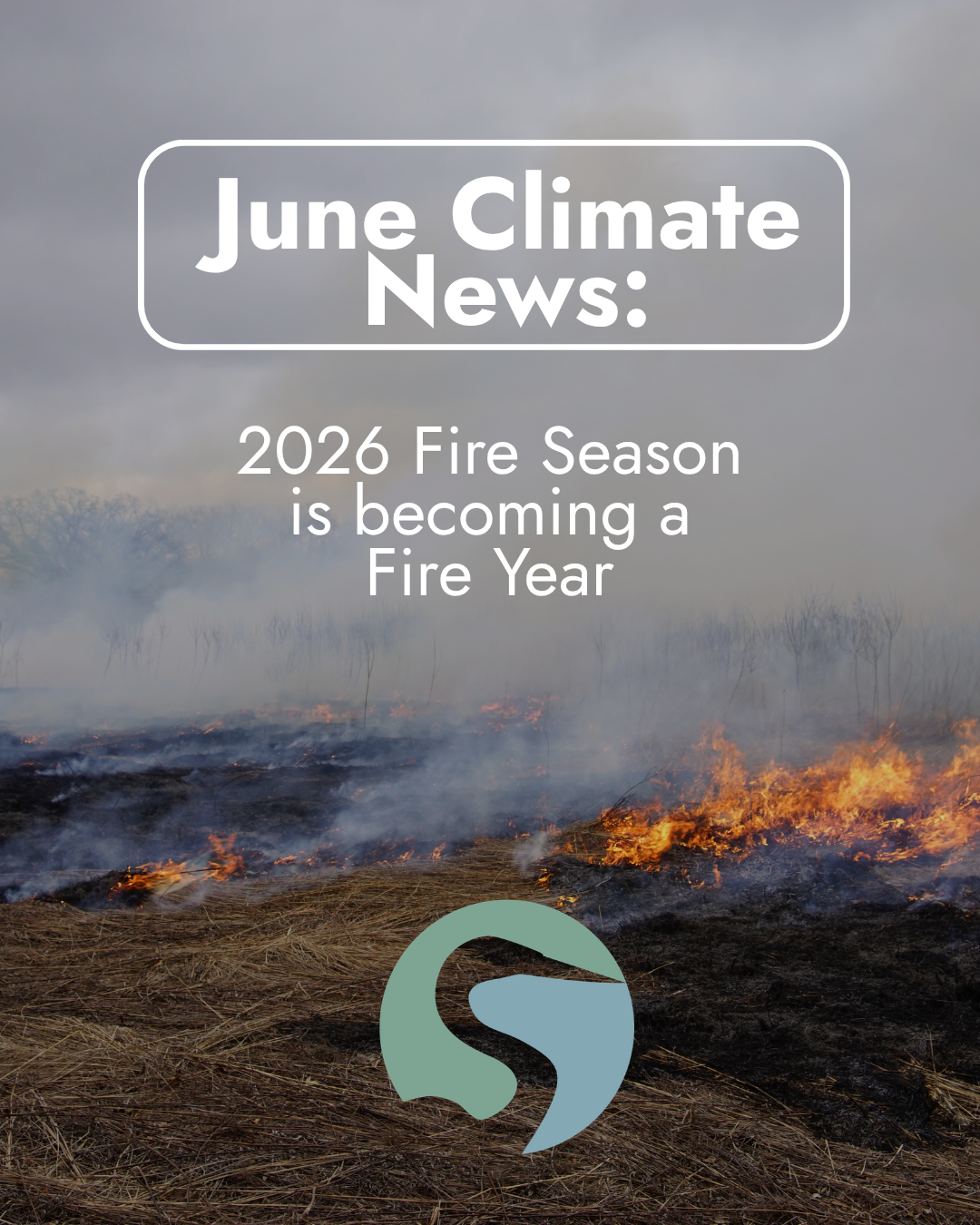
Experts are warning that 2026 may bring a record wildfire season to the United States, so severe that many researchers and fire agencies are no longer calling it a “fire season” at all. We are off to such a start that experts are now referring to it as a fire year. Traditionally, the wildfire season in the United States peaks between May and October, but we have seen many fires throughout the southern and western United States already this spring. Most major fires occur in western states. However, impacts from wildfires can be felt across the entire country, including here in northern Illinois. Wildfire smoke can travel hundreds or even thousands of miles, affecting our air quality here in Rockford. Maybe you recall the hazy skies and dangerous air quality alerts from the last few summers caused by fires burning far away in Canada. Unfortunately, these days are not going away, and if anything, we should expect more of them in the future. So why is this year a “fire year”, and why are experts concerned? Let’s dig into it.
By Olivia Price May 28, 2026
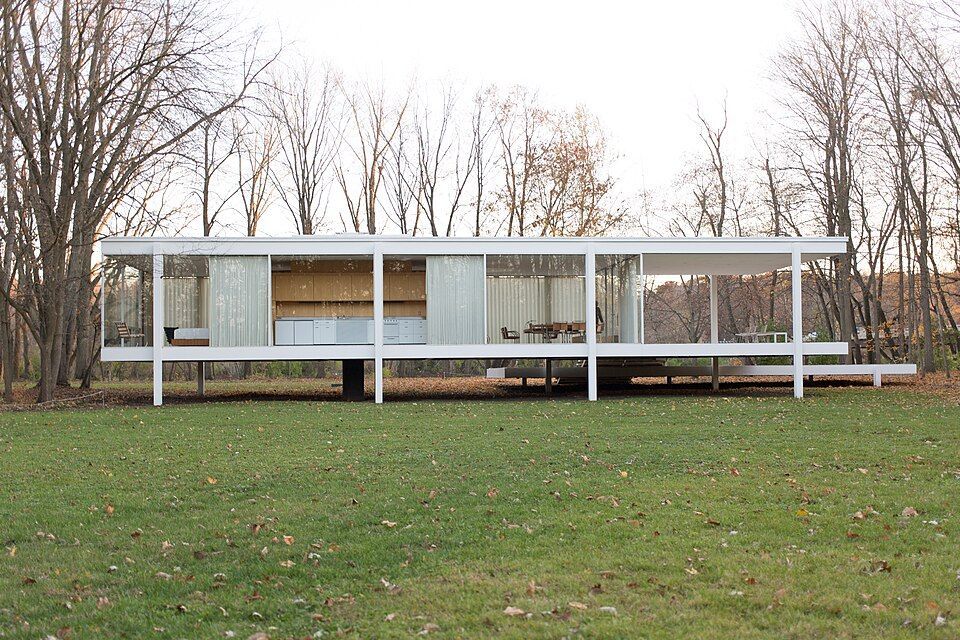
Nature and Architecture in Northeastern Illinois
By Emma Zimmerman May 19, 2026
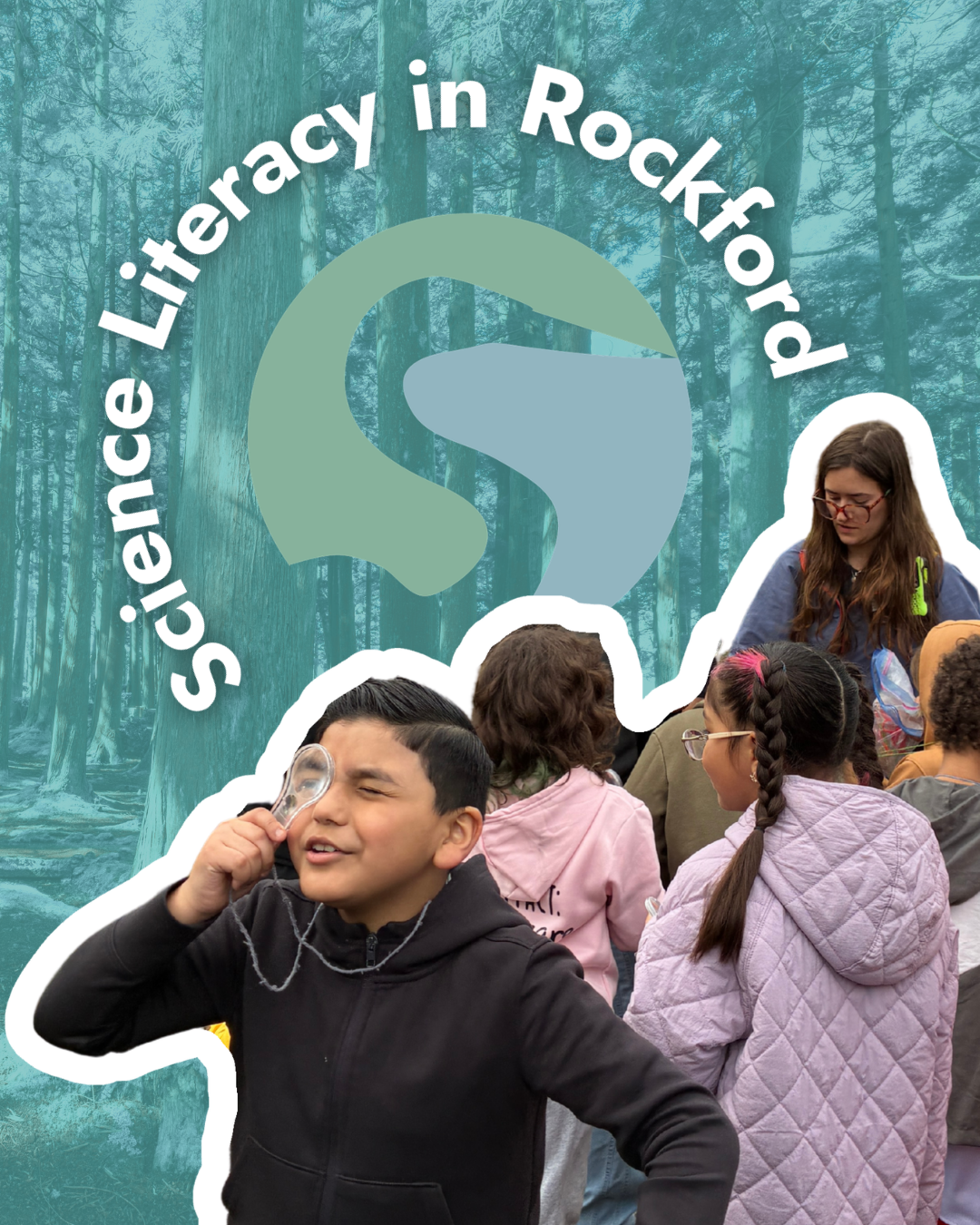
Science literacy may not be a term you hear every day, but it is something that shapes your life and the community around you in more ways than you might realize. Science literacy is the ability to understand, evaluate, and apply scientific concepts to make informed decisions regarding the world around us. Science is intertwined in nearly every part of our lives, but it can still feel intimidating and inaccessible at times, and that is largely because our society has a science literacy gap . Science can be complicated and challenging to understand, and this feeling is more common than we often admit. By making science more accessible through environmental education, we work to break down these barriers and build a more scientifically literate society. A scientifically literate society is a resilient society that is better prepared to solve climate problems, advocate for change, and build a more sustainable future.