
FIELD NOTES BLOG
The Big Melt: How Plants Prepare
Waiting for spring
When you look around outside you may see some snow, bare trees, a blue-gray sky, and maybe some birds or squirrels roaming about that have toughed it out through the winter. However, there is a lot more going on outside than meets the eye, and the ‘dead’ of winter may not be as dead as we think. Spring brings warmer days that seem to make the world burst into life with blooming flowers, sprouting plants, and new leaves on trees from these perennial plants, but this magical event does not come without careful preparation during snowy and cold winter days leading up to their debut.
Nutrient Storage
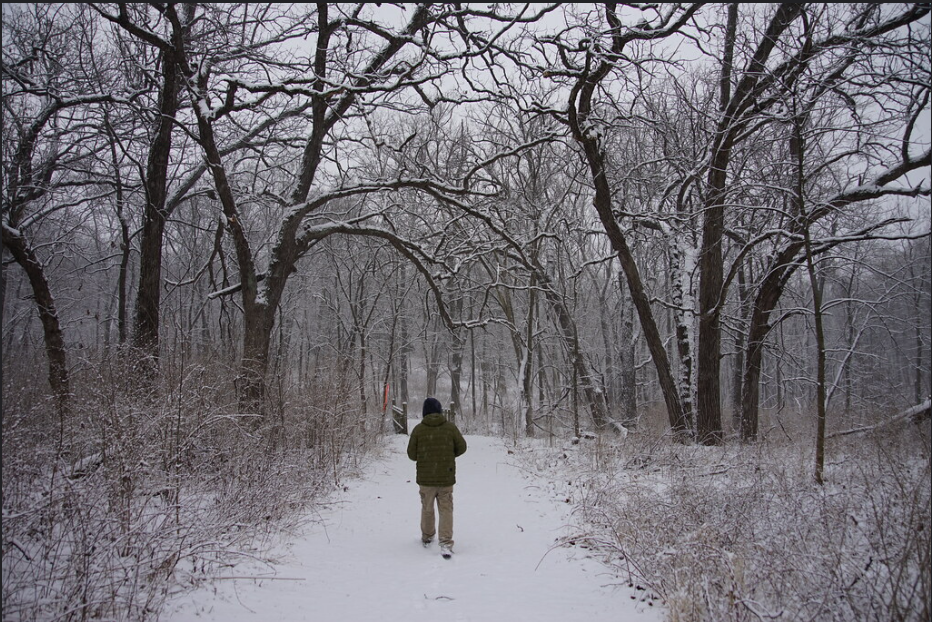
During the winter, plants have many interesting adaptations that help them conserve water and prevent freezing to survive the winter. Some of these adaptations are known as dormancy, supercooling, and leaf shedding, which you can learn more about in our blog on Winter Plant Features. However, these adaptations that help plants survive the winter also help them prepare for spring. Plants need to use fewer resources in the winter because there are fewer resources readily available to them, but this means that they must store nutrients for when it is time to grow again. This process known as senescence begins in the fall when plants move their nutrients from their leaves to storage tissues such as stems, root systems, or bulbs to recycle them into new leaves or developing seeds in the spring. Some plants move their resources exclusively into their roots to be stored where the soil temperature will fluctuate less than the air temperature. The moved nutrients include carbon, nitrogen, and phosphorus. You can see this process occurring when the leaves on trees change color in the fall before they are dropped. The nitrogen from these leaves is used to create proteins in the stems where there will be new growth in the spring.
Temperature
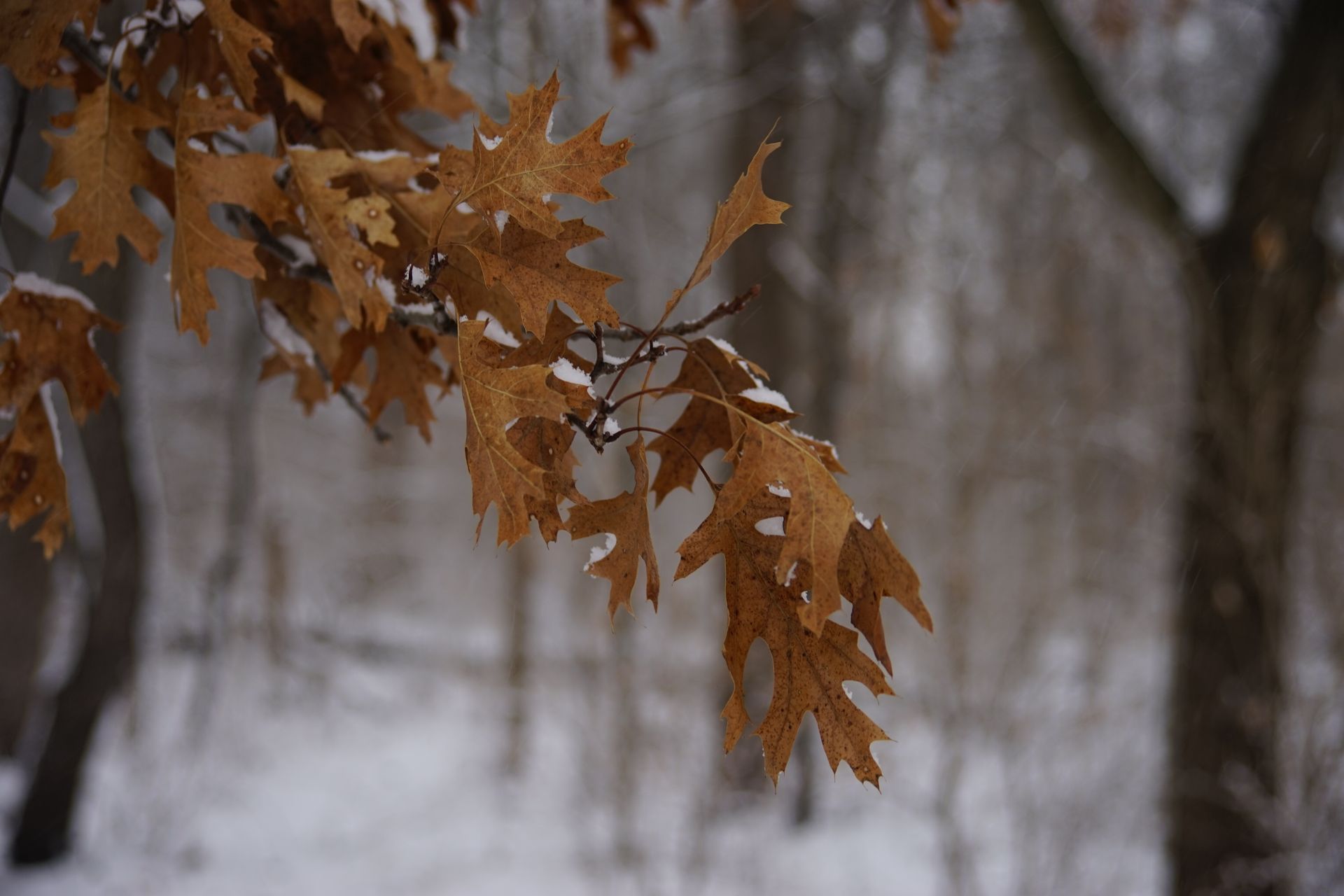
Many plants begin to develop leaf and flower buds for spring growth during the previous growing season when they sense temperatures dropping and shorter days. However, these young buds are far from ready to bloom as they must go through a long-term winter chill that represses their growth known as vernalization. Vernalization is important because it delays growth until the plant can reproduce when the spring conditions are at their most optimal for seed development and pollination. Without a long vernalization period, some plants may accidentally bloom in the fall when there may be cold and warm periods, and miss their chance to reproduce in the spring and therefore chance their own survival. Additionally, this process can be influenced by earlier springs, leading to a possible premature bloom without optimal conditions for pollination. For more information about the possible changes in plants due to changing temperature patterns give our blog on the shifting signs of spring a read.
Daylight Length
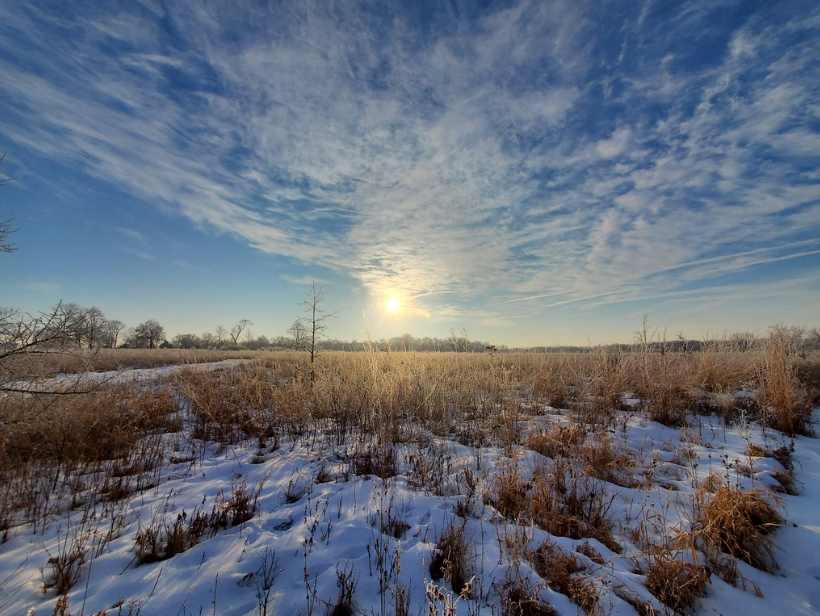
Flowering is not only dependent on vernalization that focuses on temperature but also photoperiodism. Photoperiodism is an organism’s response to seasonal changes in the length of sunlight in a day. The term photoperiodism is derived from a photoperiod, which is the period of time in one day that an organism is exposed to sunlight, or in the case of plants, can photosynthesize. This photoperiod length is similar to how we as humans have a circadian rhythm internal clock for day and night. You may notice the shorter winter days when it gets dark early or the long summer days when the sunlight stretches, so much so that we account for this seasonal change with daylight savings time. Plants don’t have daylight savings and change the clock, but they notice the change in the length of sunlight with the passing seasons which allows them to tell when it is time for spring.
Hormones
Both temperature and daylight length sensing are crucial for a blooming plant to be successful because they are triggers for specific plant hormones that set off a chain reaction to initiate the blooming process. A protein named CO is activated in the light so there is more of it when days are longer. CO subsequently sets off another protein, FT, whose production is dependent on the warm temperatures of spring. The presence of FT then prompts the production of gene expressions LEAFY and APETALA1 to create new vegetative and flowering growth respectively. These are the proteins that signal to another protein that it is time to activate, similar to a baton being handed off in a relay race.
There are other hormones involved in this process too that set the rules for protein creation and expression like the referees of the race. Many plant hormones fall into this category, but one in particular is called salicylic acid and this hormone works hand in hand with the spring growth transition. Salicylic acid regulates the creation of CO and FT as well as tells the plant when it is time to switch from predominantly the vegetative leaf stage (LEAFY) to the reproductive flower and fruit stage (APETALA1). Other plant hormones may control flower formation and bloom timing, regulate growth by controlling rates of cell division and differentiation, metabolize nutrients, delay senescence, regulate plant responses to photoperiodism, and break vernalization dormancy in seeds.
The Melt
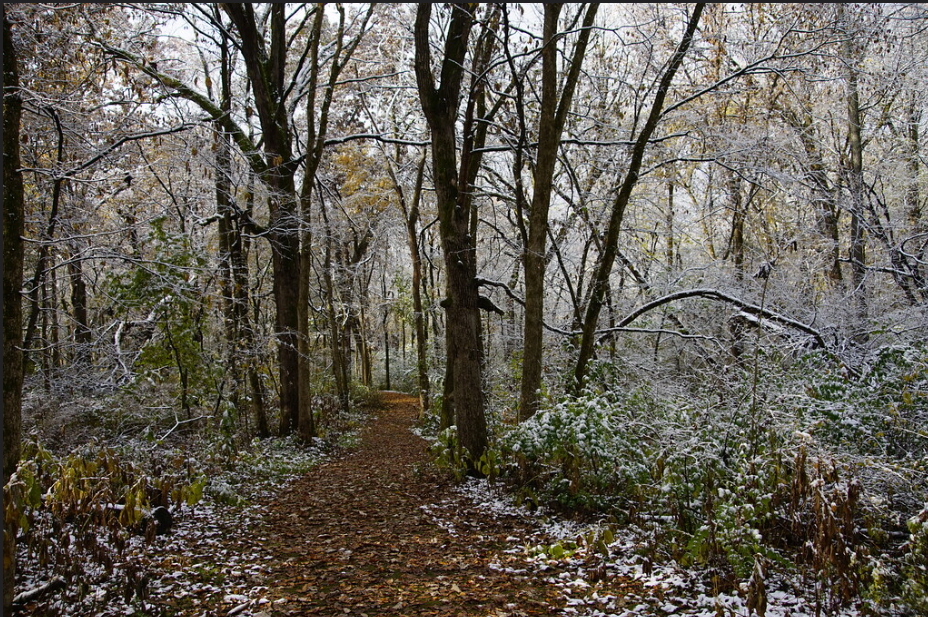
Snow cover is important throughout the winter because it acts as a protective layer that helps prevent plants from freezing because it keeps the soil temperature more constant than the ever-changing air temperature. Once this protective snow melts the soil temperature can jump from slightly above freezing to 40 degrees F in one day. This rise in temperature in the soil signals to soil microbes and plants that it may be time to increase their biological activity and break out of vernalization as long as the other conditions are right. Snow melt can also deliver water and nutrient resources into the soil for plants to access which aid in the biological processes that plants use when ‘waking up’ for spring. However, if the melting snow carries road salt or other chemicals into the soil this could be harmful for plants to intake.
The Bloom
As plants well know, survival depends on responding to environmental cues. As a result, the nutrients have been carefully stored by senescence, the buds that developed last fall have gone through vernalization as the temperatures begin to rise, the changing daylight has put photoperiodism to work, the hormones and all in place, and the snow has melted. What is left to do now for a plant but burst into celebration by showing off the beauty of its blooms? This final event is known as a budburst or bud-break, where the new leaves, twigs, and flowers seem to burst as plants transition out of their winter dormancy period. Different plant species have different times of budburst depending on preferred climate conditions, growing season length, and their adaptation to the availability of pollinators.
Speaking of Budburst, there is also a community science project with the same name you can be involved in that relates to this phenomenon. Budburst is a group of researchers, educators, and community scientists who make observations about the seasonal changes in local plants and upload their findings. These biological seasonal changes and the timing of these changes are known as phenology. Phenology includes budburst in the spring and the switch into vernalization in the fall. These observations are critical to understanding how plants may be responding to external conditions. Participation can be as simple as taking a picture of a flower in bloom or a tree growing its first leaves! You can learn more and get involved with budburst by visiting their website here.
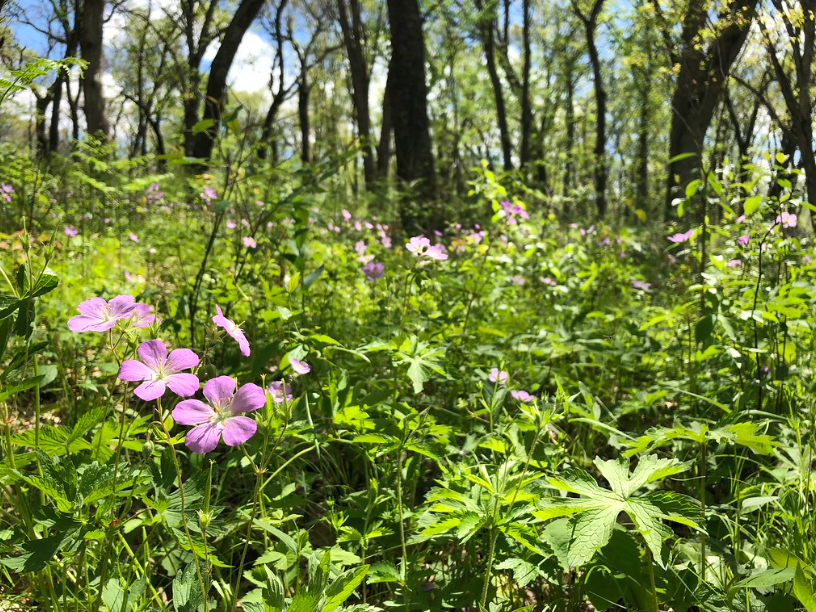
A Renewed Sense of Spring
Next time you look around outside, you may still see only snow, trees, the sky, and a few animals. However, maybe after reading this blog, you will stop to think about what is going on deep within each plant as it prepares for spring. This thought may help you appreciate the complexities of each season and the importance of winter rest to bring in the beauty of spring.
Sources
University of Wisconsin Department of Biochemistry Susheng Can and Richard M. Amasino - Making Sense of Senescence
Current Opinion in Plant Biology Sibum Sung and Richard M Amasino - Vernalization and epigenetics: how plants remember winter
Brooklyn Botanic Garden - How Do Trees Tell Time?
Maximum Academic Press - Role of plant hormones in flowering and exogenous hormone application in fruit/nut trees: a review of pecans
Brooklyn Botanic Garden - A Blanket of Snow: Good or Bad for Plants?
Plant Signaling and Behavior - Early Bud Break 1 defines a conserved mechanism for control of bud-break in woody perennials

RECENT ARTICLES