FIELD NOTES BLOG

(Re) Introducing Emma!

Emma Zimmerman
February 24, 2026

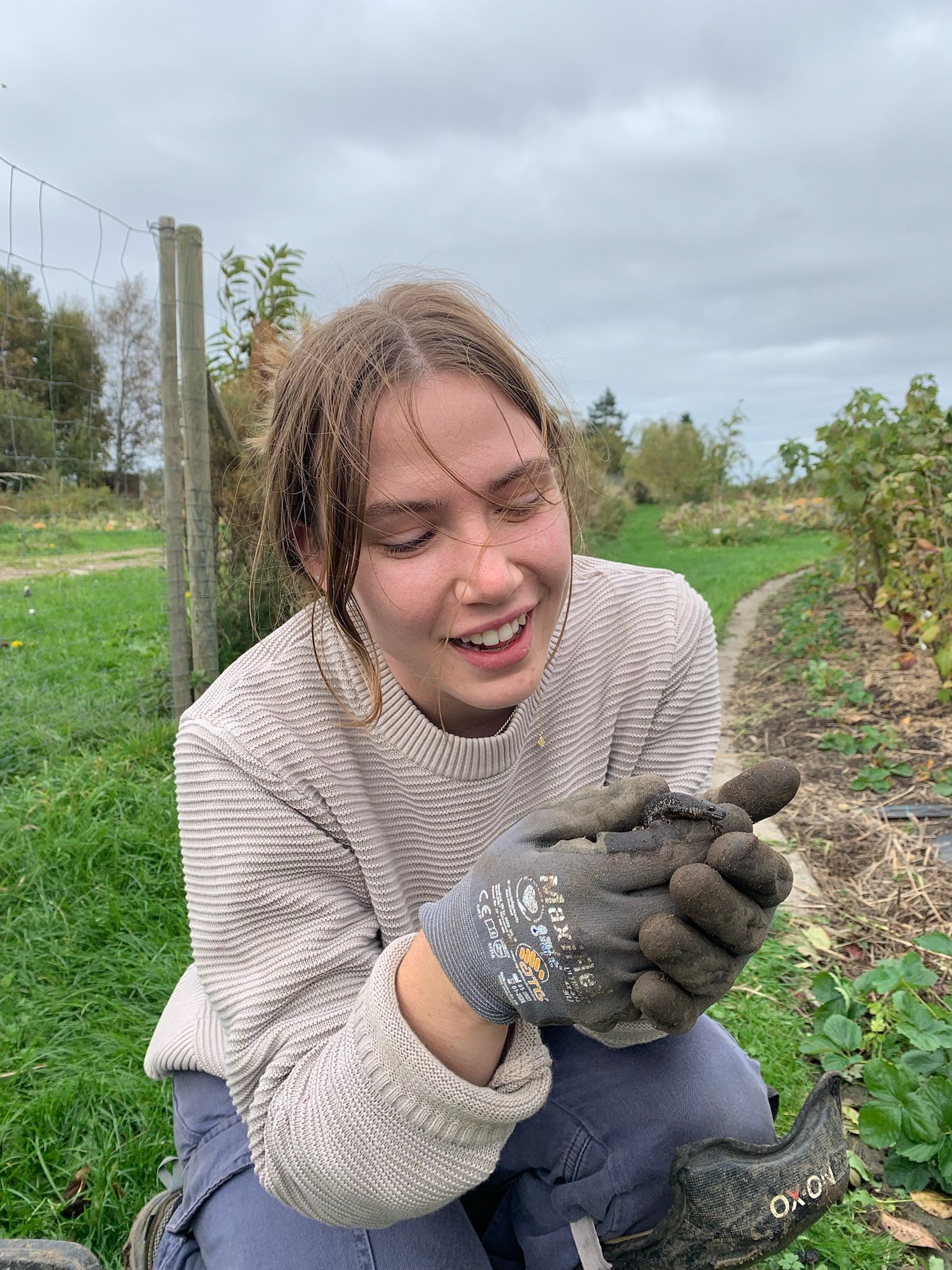
For those who may not know me, I previously spent two wonderful years here at Severson Dells working in environmental education and community science, helping our community connect with the land in meaningful ways. I am so excited to announce that I am back at the nature center for the next few months! In this role, I’ll be leading all things Science Communication, so be on the lookout for educational blogs, behind-the-scenes restoration updates, and social media posts that (hopefully) make ecology feel a little less intimidating and a lot more exciting.

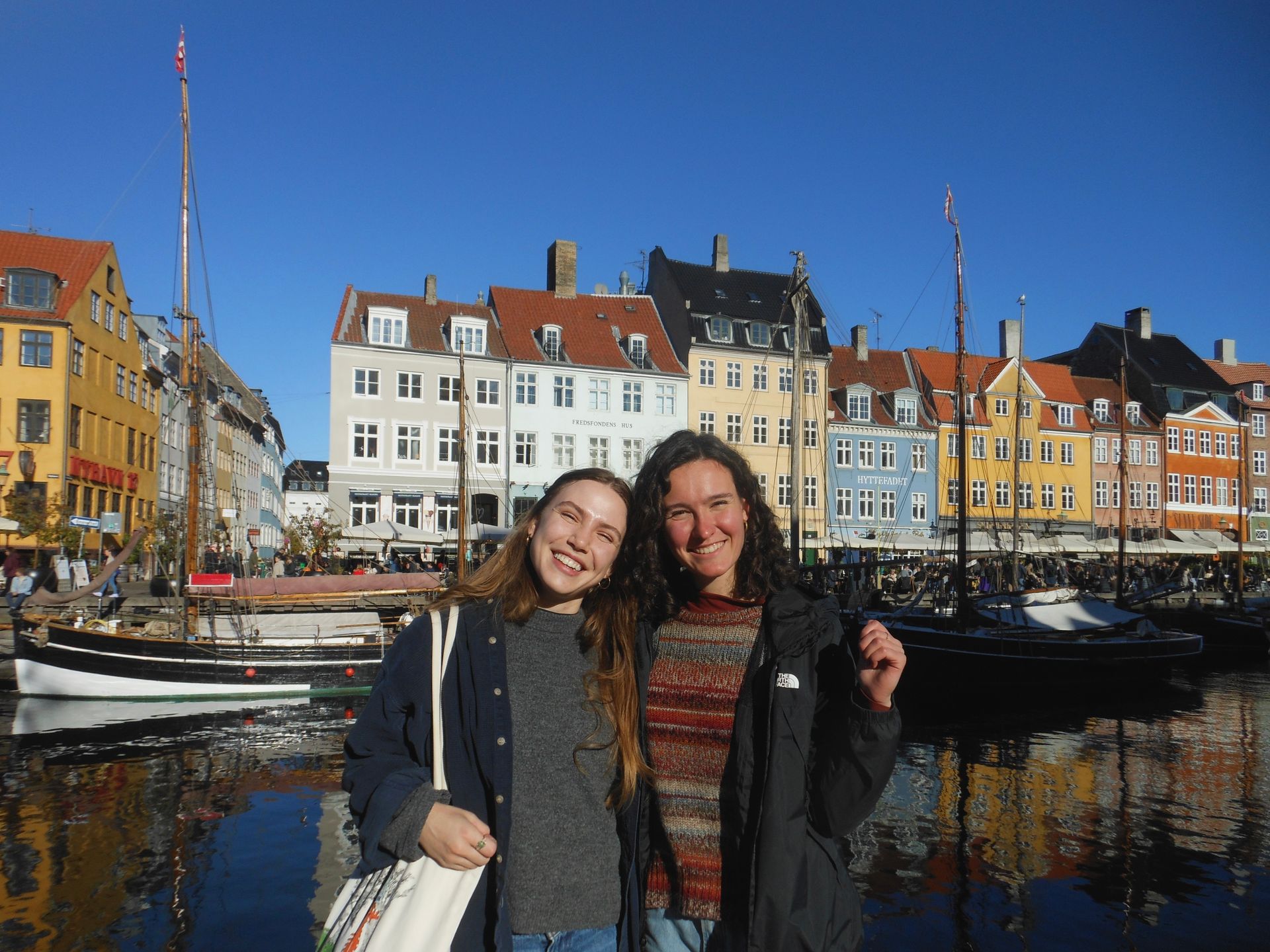
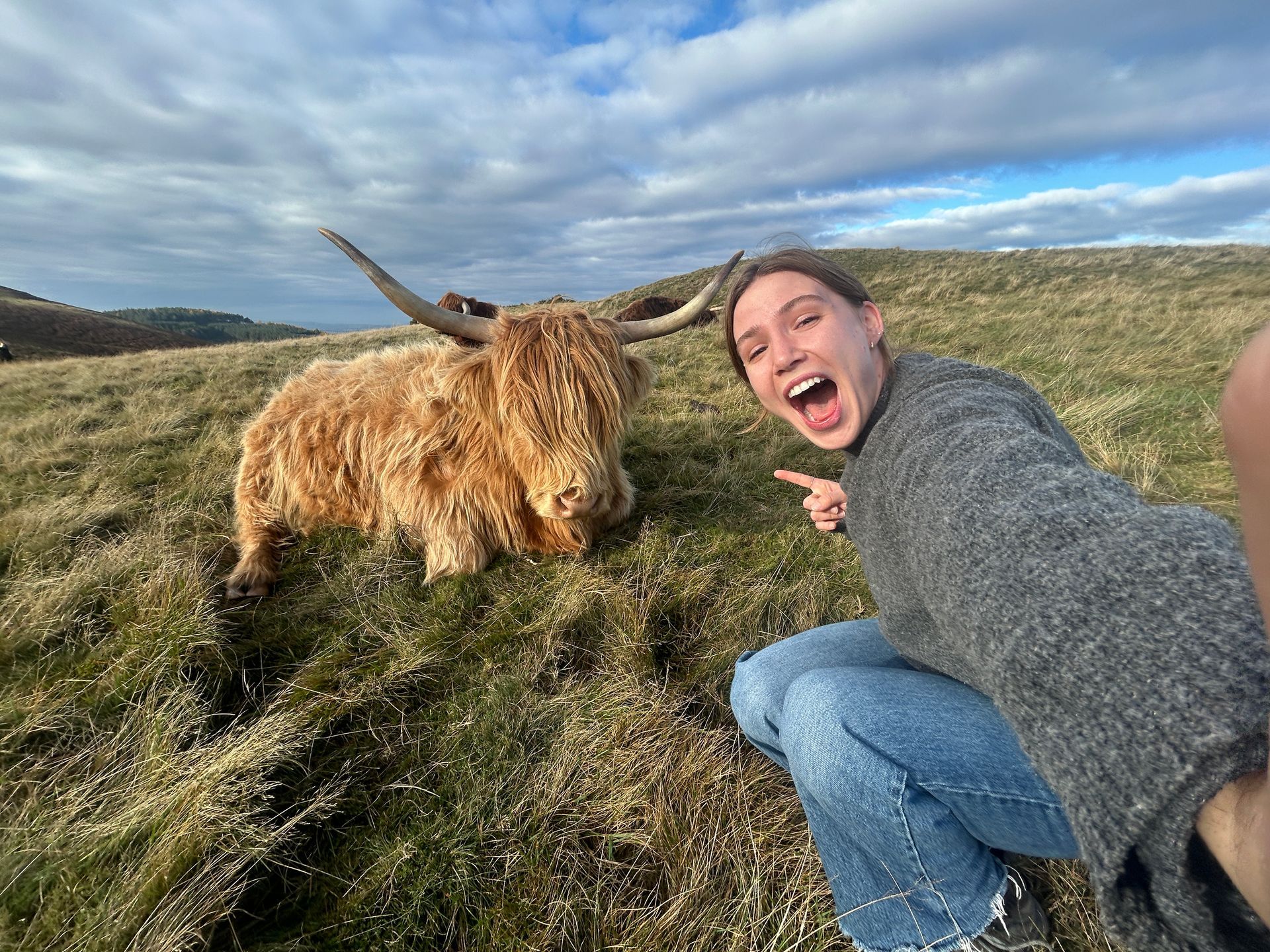
In my 6 months hiatus from Severson I got up to some exciting things! I traveled to Denmark to work on a sustainable farm with Sydney, another former AmeriCorps member! We learned about regenerative agriculture, practiced living with less, and gained a new perspective on how communities can support climate-forward living. After our work away, we backpacked for a bit through Europe, and I visited 6 new countries! Oh, and I also got bangs.

Now I’m back, but in a slightly different role. While I’m stepping away from leading education programs, I’m leaning fully into science communication. That means translating research into stories, turning restoration updates into accessible explanations, and helping connect our community to the “why” behind the work we do. I’ll be authoring blogs, contributing to newsletters, and sharing updates across our platforms to keep you informed about what’s happening on the land. There are especially exciting things unfolding with the rewilding of the former Elliot Golf Course. This restoration is a process, and I’m thrilled to help document and share that journey with you!

I am so grateful to be back in a place I adore, surrounded by passionate staff, volunteers, and community members who care deeply about this land. If you find yourself at the Nature Center, please swing by and say hi! I’d love to catch up, hear what you’ve been up to!
RECENT ARTICLES

By education2.americorps February 18, 2026
Have you ever looked around and wondered about grass? It may not seem like there’s much to notice about the common golf course, front lawn, sidewalk adjacent sort of grass we see everyday, but if you look below the surface there’s a whole world and history. These often monochromatic, sprawling green landscapes are planted with what is referred to as turf grass, such as Kentucky blue grass, a plant imported to the United States from Europe and North Africa. This style of lawn design was brought to the U.S. from Europe during the 1700s, where long expanses of short green grasses were associated with the manicured country estates of the wealthy and upper social classes. The popularization of this cultural import co-occurred and played a role in the development of U.S. suburban culture in the late 1800s, strengthening through the mid-20th century when it became more widely actionable for people in the middle class. Turf grass now covers app. 40 million acres across the country(an area larger than the whole of Illinois). The planting of monoculture grass areas like this, where there are long stretches of only one kind of plant, came in contrast to the landscapes that grew for millenia on the place we now call the United States. These ancient landscapes were full of biodiversity, and in many areas housed ecosystems where humans functioned as just one part of a balanced set of biological processes. In Illinois specifically, native grasslands–in this region called prairies–used to cover 21 of Illinois’ 36 million acres on their own. Prairies in Illinois formed (and the .01% that still remain still form) unique and powerful living systems. Not only do they create a safe home for many animal species to go about their lives, their root systems push through soil to notable depths, with an average length between 5-15 feet, whereas the turf grass lawns discussed above have roots not digging more than 3-4 inches into the earth. The impact of these root systems is profound, creating long pathways for water absorption, microbial and mycelial growth, and the draw down of excess carbon from the atmosphere back into the earth. Just one acre of restored prairie can sequester(take out of the air and store in root systems) 160 tons of carbon a year, and absorb 65% more stormwater–or water left on the ground after it rains–than turf grass. The transformation of turf grass back to prairie has profound positive impacts on surrounding ecosystems. The restoration project at Elliot golf course will provide a prime example for residents of this region to watch as the land begins to come alive with the myriad colors, animals, and landscape benefits of a prairie in just a few years. Sources: https://www.sustainablewoodstock.org/a-history-of-the-american-lawn/ https://blog.nwf.org/2024/04/why-we-have-lawns/ https://www.fs.usda.gov/r09/midewin/natural-resources/forest-management https://www.chicagobotanic.org/blog/plant-science-conservation/lowdown-prairie https://www.chicago.gov/city/en/depts/water/supp_info/conservation/green_design/natural_landscaping.html https://files.dnr.state.mn.us/assistance/nrplanning/community/roadsidesforwildlife/putdownroots_poster.pdf https://www.onlyraindownthedrain.com/kids/ https://www.nature.com/articles/s41467-024-46991-5?fromPaywallRec=false
By Olivia Price February 18, 2026
Rivers move and snow falls and hillsides weather while tectonic plates settle snugly across the crust of our earth. The wind blows and trees bow down on stormy days, and deep under our feet the molten parts of our planet’s body flow, as above our heads we see the wispy clouds marking the flow of airs of our sky swirling just the same. Just beyond these skies we see the moving pinpricks and round splotches of light which cross our eyelines through each daily cycle, marking just one of the myriad multiscale rotations of our planet, solar system, and galaxy.
By education3.americorps February 11, 2026
What Are Plants Doing During the Winter Months?