FIELD NOTES BLOG
Meet Lauren

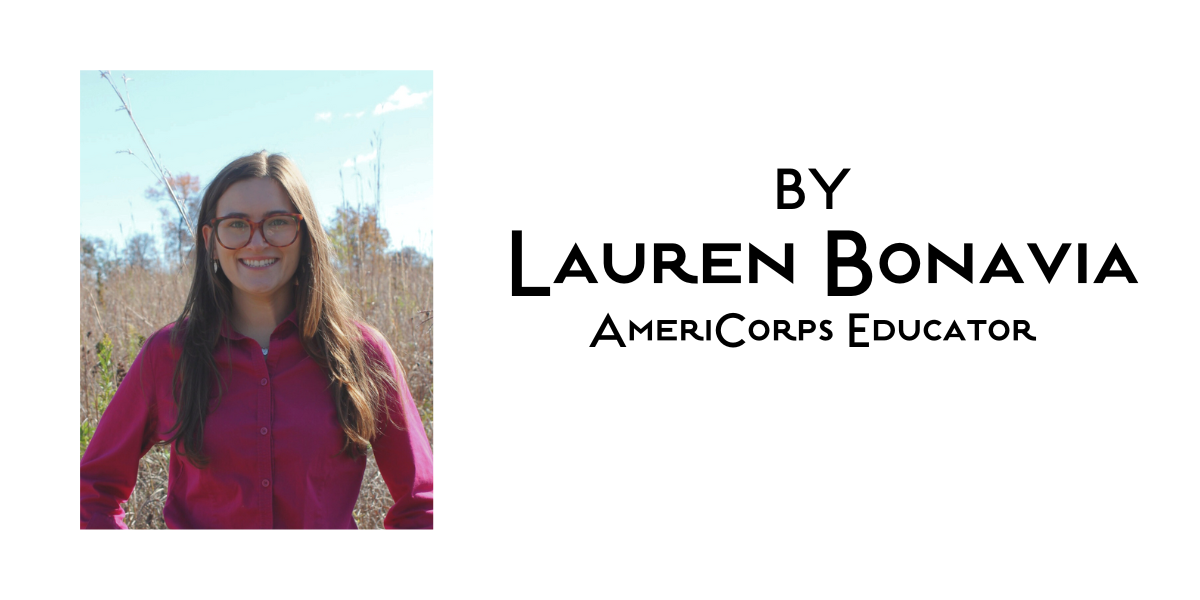
Hi, everyone! My name is Lauren, and I am so thrilled to be serving AmeriCorps as an Environmental Educator here at Severson Dells Nature Center!
Growing up in Rockford, the highlight of my summers was the time I spent as a camper at Atwood Nature Center learning about the world around me. This experience certainly resonated with me because after graduating from Auburn High School, I followed my lifelong passions and got a degree in Wildlife Ecology and Management from the University of Wisconsin - Stevens Point.
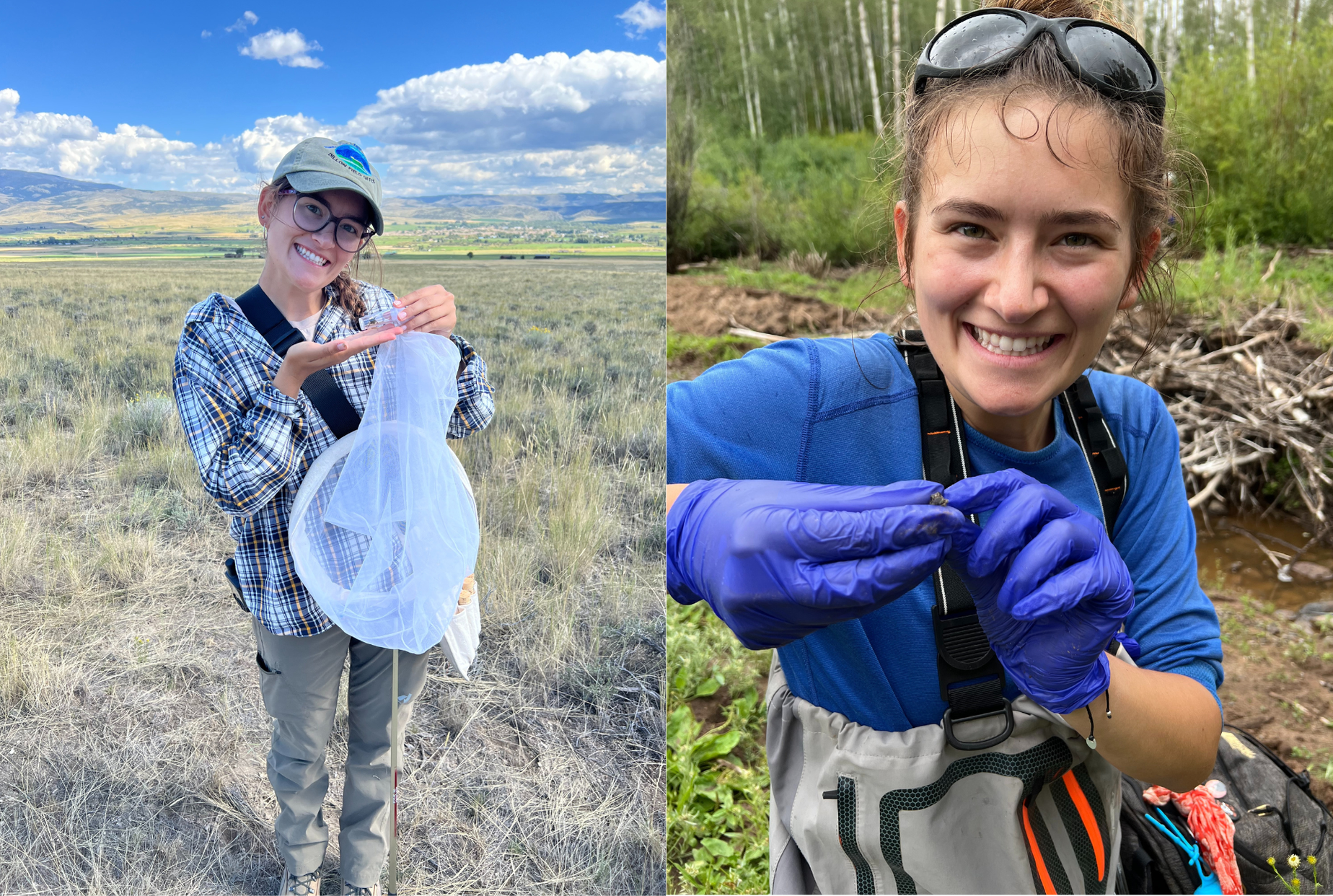
Wildlife Data Collection: Sheridan, MT (left) and Grand Mesa National Forest, CO (right)
Since then, I have moved around several states working as a field technician for the US Forest Service and the Bureau of Land Management, where I collected data on birds, bees, frogs, mammals, and plants. My most recent job landed me in the rolling hills of rural Kansas studying Wild Turkeys and their habitats for a graduate research study.
As someone who loves traveling, my favorite part about this field of work is the opportunity to learn and connect - not only with the physical landscape of a new and spectacular place - but with the people who make the place what it is.
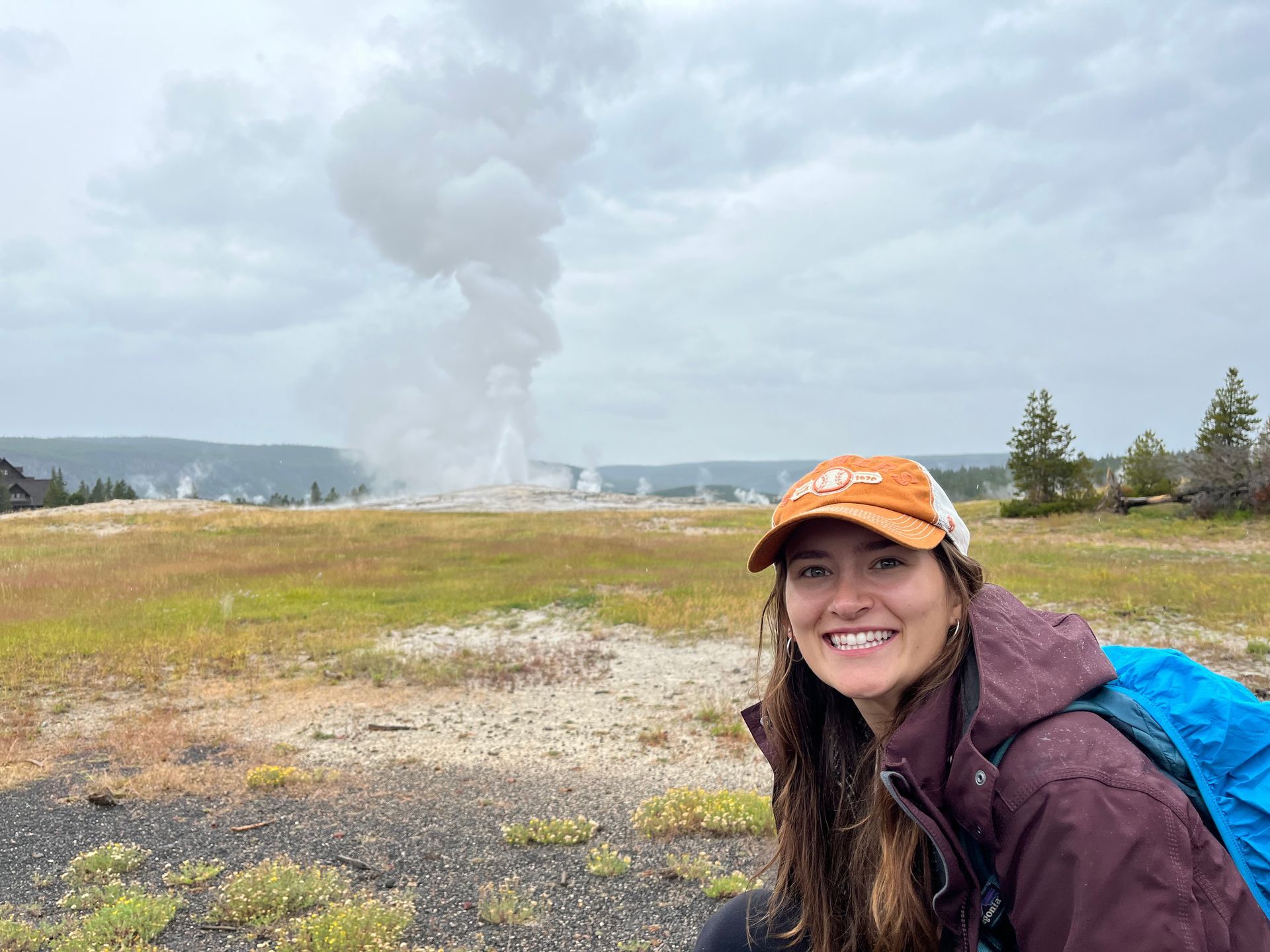
Old Faithful, Yellowstone National Park, WY
While my previous experiences are a little different than my role at the nature center, the factors driving me have always been the same: I value conservation, environmental awareness, and connection to people and nature. I am eager to be back home learning from, connecting with, and giving back to the community that shaped me into who I am today.
When I am not at Severson Dells, you can find me playing volleyball, birdwatching, reading, or wandering around a park or museum!
I feel immensely grateful to be here, and I look forward to meeting all of the people who make Severson Dells such a special place.
RECENT ARTICLES