FIELD NOTES BLOG
Positive Nature News in 2025
It is easy to get caught up in the endless cycle of negative news. Our society's focus on what is wrong in the world clouds over the bits that are good in the world. To us, there is good happening in the world everyday. These moments deserve to be recognized and celebrated.
We've compiled a collection of Positive Nature News from 2025 in hopes of inspiring our community to join us in our mission to strive for more environmental protection, restoration, and discovery in 2026.
Local News Local to Illinois and neighboring states
Bison Return to Kane County Prairies
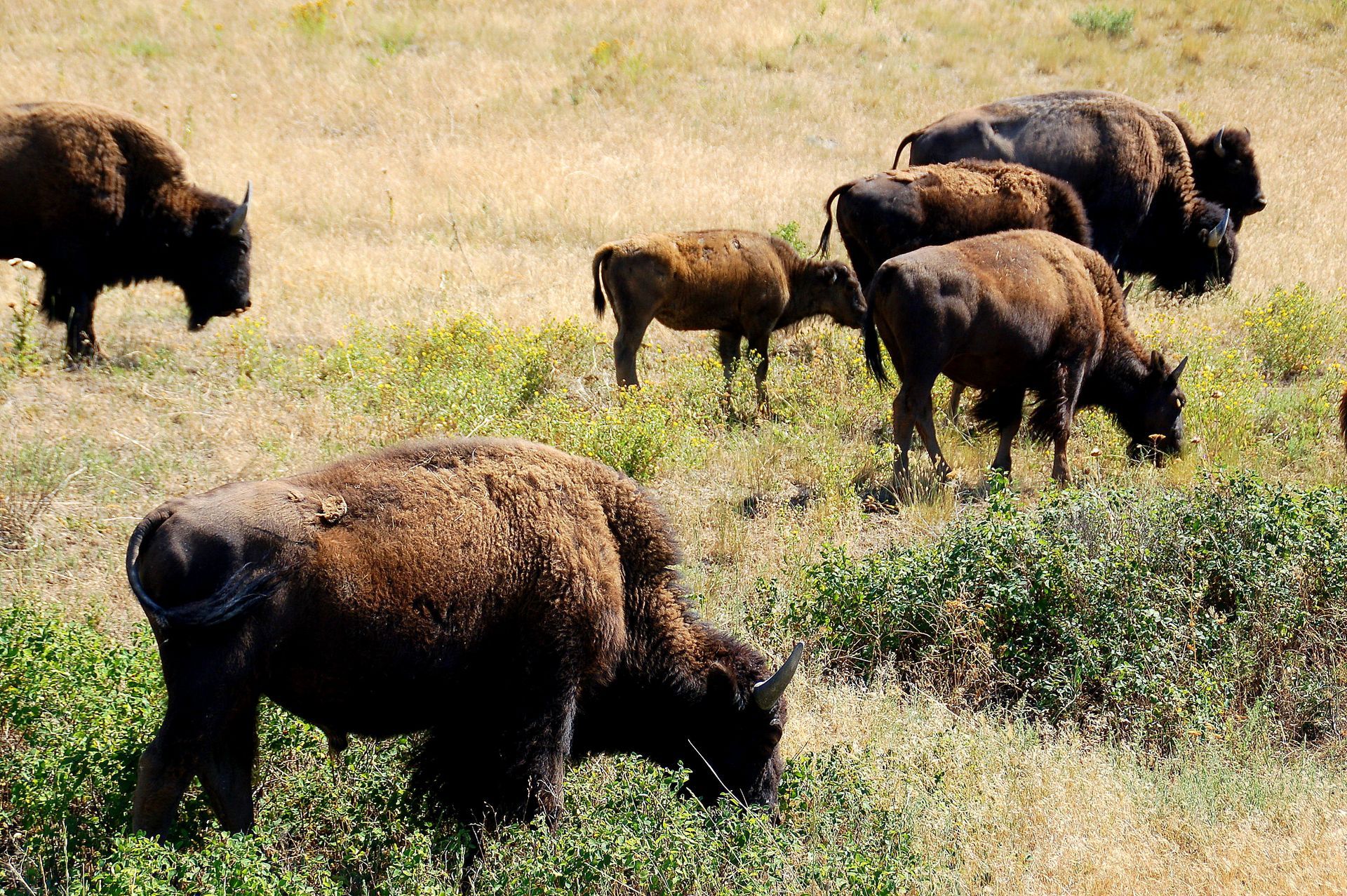
"Bison" by Keith Ewing on Flickr. CC by-nc 2.0
Kane County Forest Preserves has introduced American Bison to its prairies for the first time in 200 years through partnerships with the American Indian Center of Chicago to bring these amazing grazers back to vital Illinois ecosystems they once roamed freely. AIC co-executive director Jay Young mentioned in a statement “Bison have carried our stories, our teachings, and our responsibilities for generations, and welcoming them home is an important moment for our people and generations who will come after us” Though communities all around are excited and eager about the Bison’s warm welcome, the public is asked by Kane county to allow time for the Bison to acclimate before visiting the preserve. Officials working on the project have goals for the bison to be acclimated by the end of winter this year!
New Invasive Species Regulations
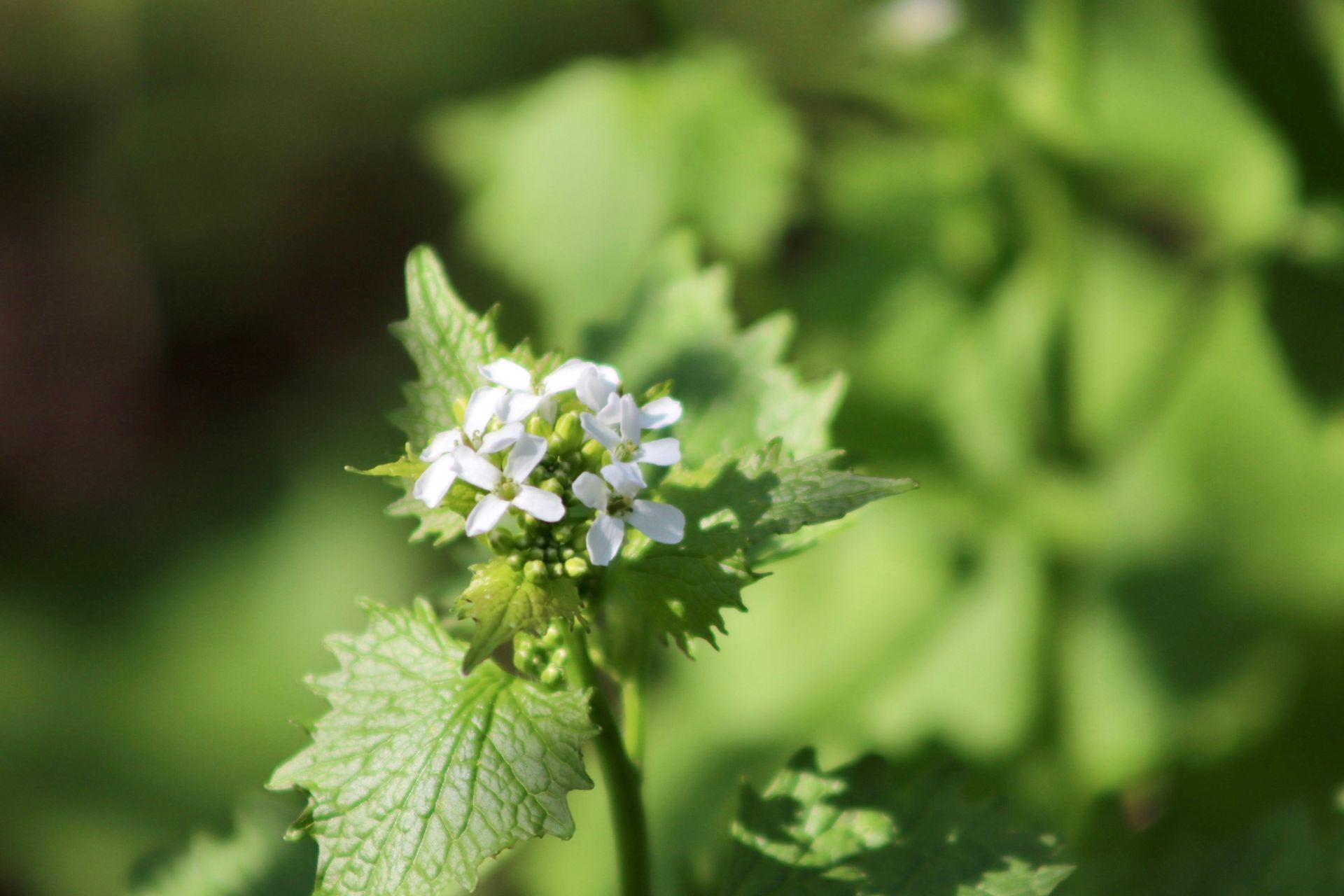
"Garlic Mustard" by Ashlyn Rogers.
The Illinois Department of Natural Resources updated the Illinois Exotic Weed Act on October 1st 2025, to release a new list of invasive species you can no longer purchase, sell, plant, or own in Illinois! Chris Evans from University of Illinois Extension says: "Invasive plants can crowd out native species, reduce wildlife habitat and forage, change the soil chemistry, and even limit the growth and regeneration of native trees." The addition to the invasive species list further protects not only our Illinois natural areas and habitats, but the wildlife that lives within them.
The plants added are:
- Callery Pear Trees, Garlic Mustard, Sericea lespedeza, Japanese Stiltgrass , Tree of Heaven, Amur Corktree, Leafy Spurge, Black Swallowwort, and Pale Swallowwort.
Piping Plovers Success
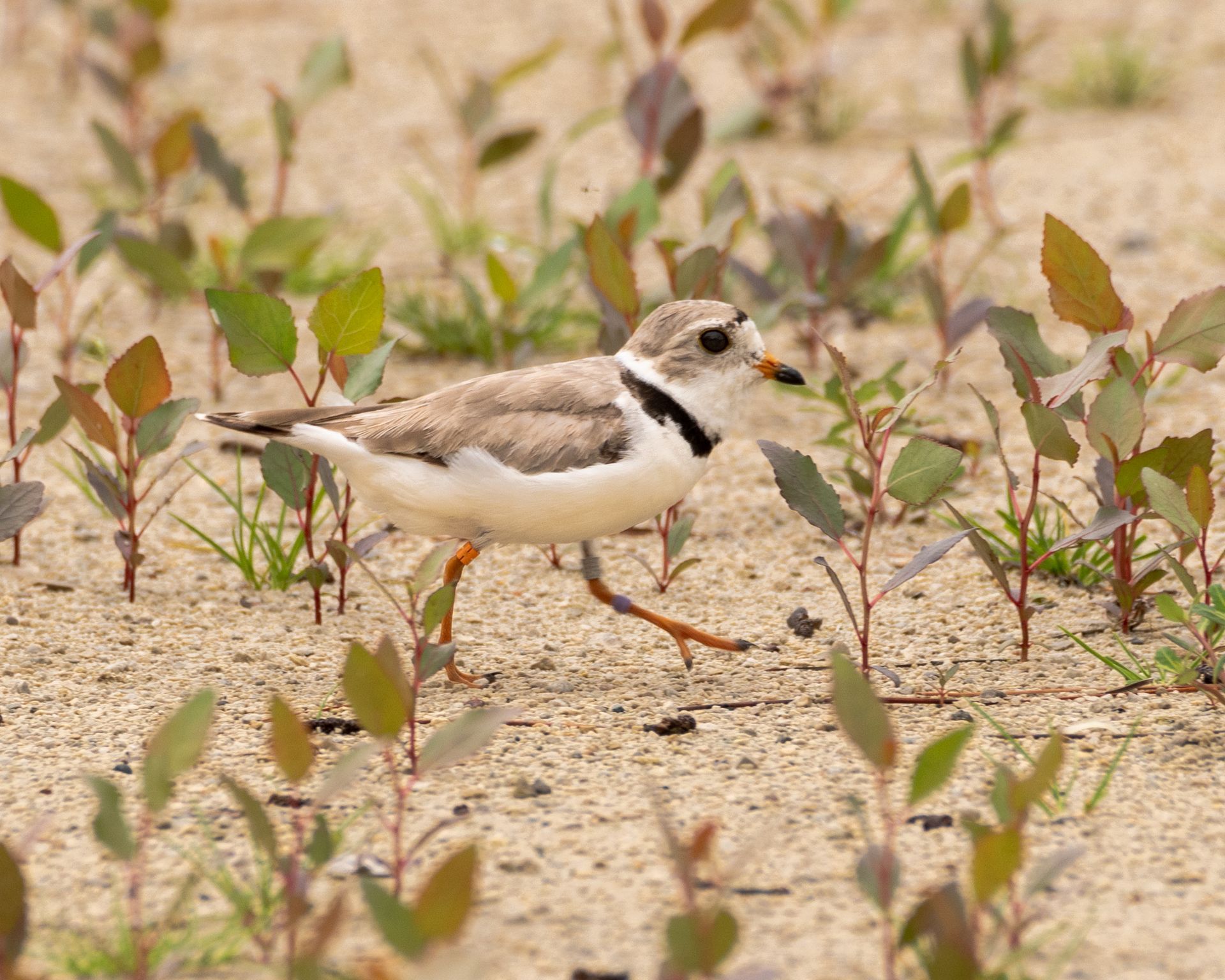
"Piping Plover" by Jim Nelson on Flickr. CC by-nc 4.0
Piping Plovers make a comeback! The 2025 breeding season for these impressive birds was remarkable with a new record high including 88 paired birds, 7 more than in 2024. This year was incredible with 110 nests found and 72 wild broods hatched successfully. Breeding rates have been on the rise since being listed as endangered in 1986, a reflection of work done by conservationists, volunteers, and community members. Great Lakes Piping Plovers have now broken the breeding record for four consecutive years, continuing to grow in numbers and inspire communities. Goals for future Piping Plover numbers are expected to grow to 150 paired partners sustained over the course of five years.
National News
Federally endangered species on the road to recovery
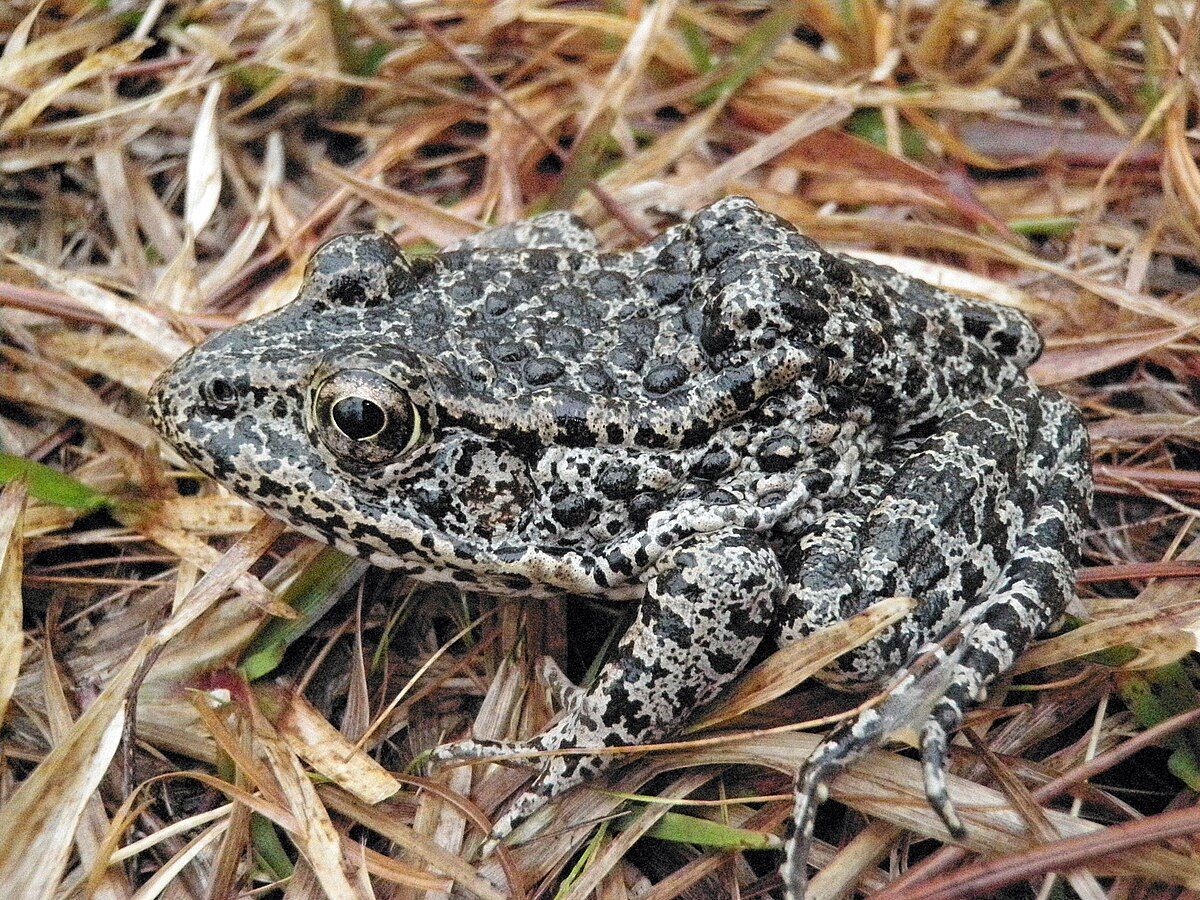
In a new enclosure at the Memphis Zoo an adult pair of the endangered dusky gopher frogs started naturally breeding after years of unsuccessful in vitro fertilization. This led to the release of thousands of tadpoles into two ponds in Mississippi and in years since researchers have discovered frog eggs in this area indicating a sustainable population has returned. Also this year the International Union for Conservation of Nature (IUCN) has officially changed the status of the green sea turtle to least concern on their red list. Green sea turtles have been considered critically endangered since the 1980s and are under threat largely due to bycatch, turtles accidentally getting caught as a byproduct of fishing. This threat has been reduced by efforts to implement Turtle Excluder Devices in fisheries and restricting trade with countries that permit bycatching of green sea turtles.
Sources: https://wildlife.org/dusky-gopher-frog-reintroduction-sees-initial-success/ ; https://www.npr.org/2025/10/16/nx-s1-5573174/green-sea-turtles-no-longer-endangered-as-global-population-rebounds ; https://www.fisheries.noaa.gov/species/green-turtle/conservation-management
Artificial wetlands, referred to as floating islands, could be the key to restoring America’s waterways

Initially started in Chicago with the ‘Wild Mile’ conservation organizations are working with cities around the country to create eco-parks to help remove pollutants from waterways. These floating islands provide benefits both above and below the water, plant roots remove excess nitrogen and put oxygen into the water and above they provide new habitat for wildlife inviting keystone species back into the area. These restoration projects also provide thriving green spaces for the human residents of these cities which now include Baltimore and Cambridge.
Hopeful future for California’s kelp forests a year after new marine sanctuary designation
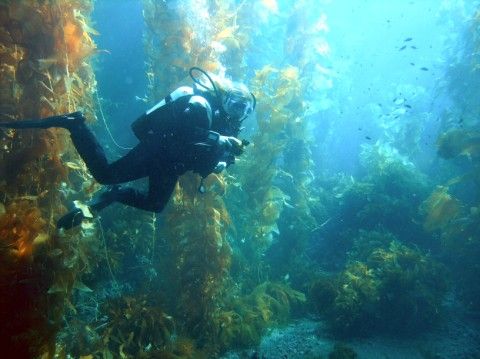
In November 2024, the first indigenous led national marine sanctuary was designated off the central coast of California near Santa Barbara. The Chumash Heritage Marine Sanctuary has hopes of using Chumash oral history and modern DNA sampling to track how populations of marine wildlife have migrated over the years. With the new designation the nation can also restrict offshore drilling and allow for restoration of once diverse kelp forests that resided in the area. Kelp forests can absorb twenty times more carbon dioxide than their terrestrial counterparts and provide habitats for a myriad of marine species including sea otters.
Sources: https://www.smithsonianmag.com/science-nature/underwaer-forests-return-life-coast-california-might-be-good-news-entire-planet-180987639/ ; https://share.google/n7cyxCKsFGLCGlrSO
Global News
UNESCO listed 26 new Biosphere Reserves
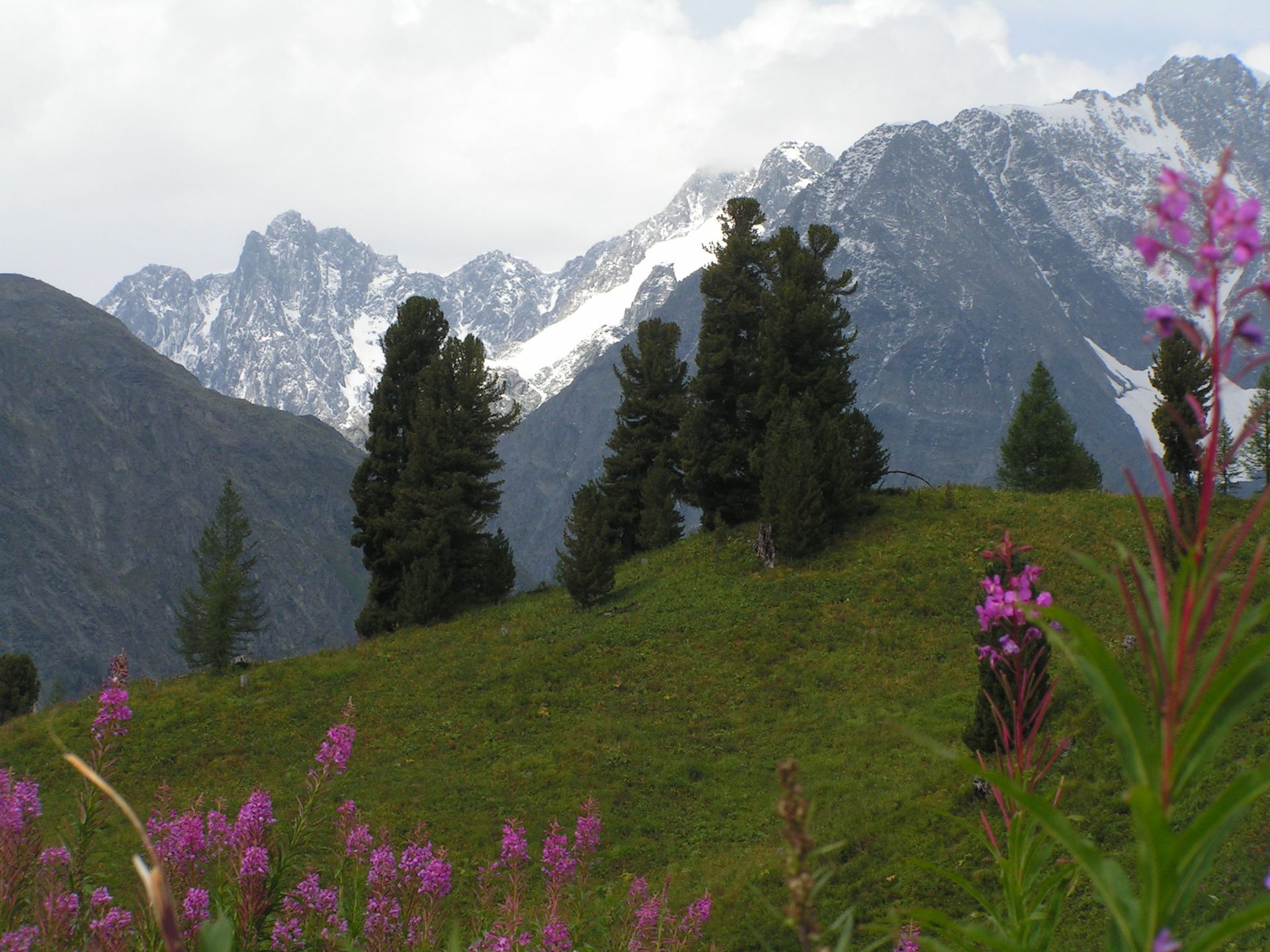
The United Nations Educational, Scientific, and Cultural Organization (UNESCO) is the intergovernmental agency overseeing the World Network of Biosphere Reserves - a program that identifies natural areas of holistic excellence. Reserves are selected because of their environmental and socio-economic initiatives, and they serve as models for sustainable development and ecological coexistence in an ever-changing world. A few exciting things happened at this year’s conference in September: 26 new reserves were named - the most in recent history; 6 countries were designated their first Biosphere Reserves: Angola, Djibouti, Equatorial Guinea, Iceland, Oman and Tajikistan; and São Tomé and Príncipe was the first full territory to be named a Biosphere Reserve. Participating countries share resources, contribute to best practices, and promote protection of these amazing places. Today, there are a total of 784 reserves covering 8 million km2 (or the size of Australia), at the benefit of an estimated 300 million people.
https://www.sciencedirect.com/topics/earth-and-planetary-sciences/biosphere-reserve
Beavers released in England for the first time in 500 years
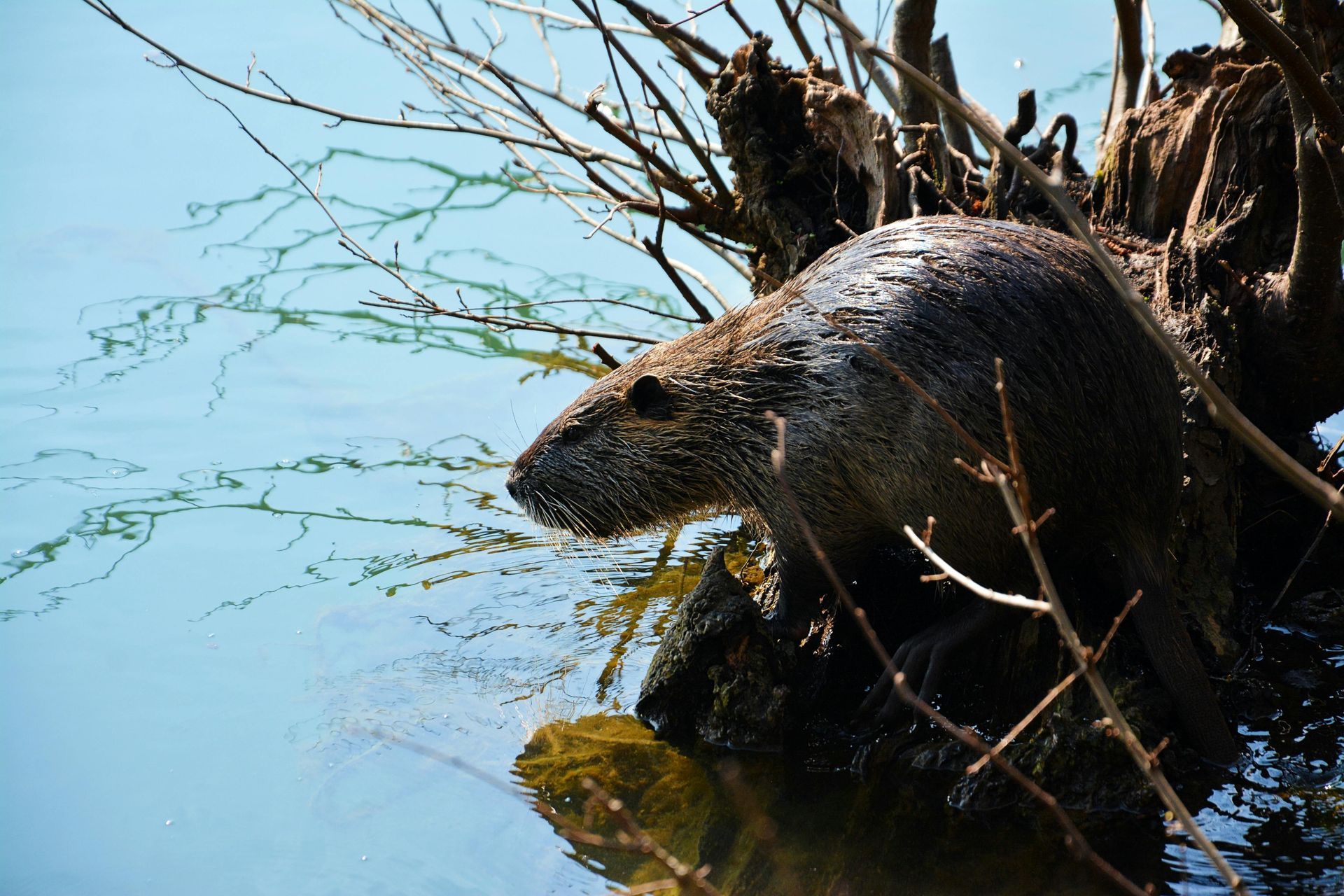
In March, scientists released two pairs of Eurasian beavers in Purbeck Heaths Super National Nature Reserve - the first wild release since they were driven to extinction from overhunting in the 1500’s.The animals were relocated from Scotland, and mark the beginning of a new story for beavers in England. Some have raised concerns over flooding of farmland and roads, but much preparation has gone into this project to reduce conflict, including site selection away from a densely populated area. Organizers promote coexistence between humans and beavers on the landscape because these ecosystem engineers provide critical (not to mention costly) services to humans, including flood mitigation, combatting drought conditions, and slowing down and cleaning water. Known as a keystone species, beavers significantly impact their environment by transforming wetland habitat that supports other plant and animal life.
Sources: https://beavertrust.org/historic-first-official-wild-beaver-release-in-england/ ; https://www.bbc.com/news/articles/cwygxvzpkevo ; https://naturalengland.blog.gov.uk/2025/02/28/beaver-wild-release-a-milestone-for-nature-recovery-in-england/ ; https://www.gov.uk/government/publications/wild-release-and-management-of-beavers-in-england/wild-release-and-management-of-beavers-in-england
Ecotourism is supporting Colombian swamp restoration
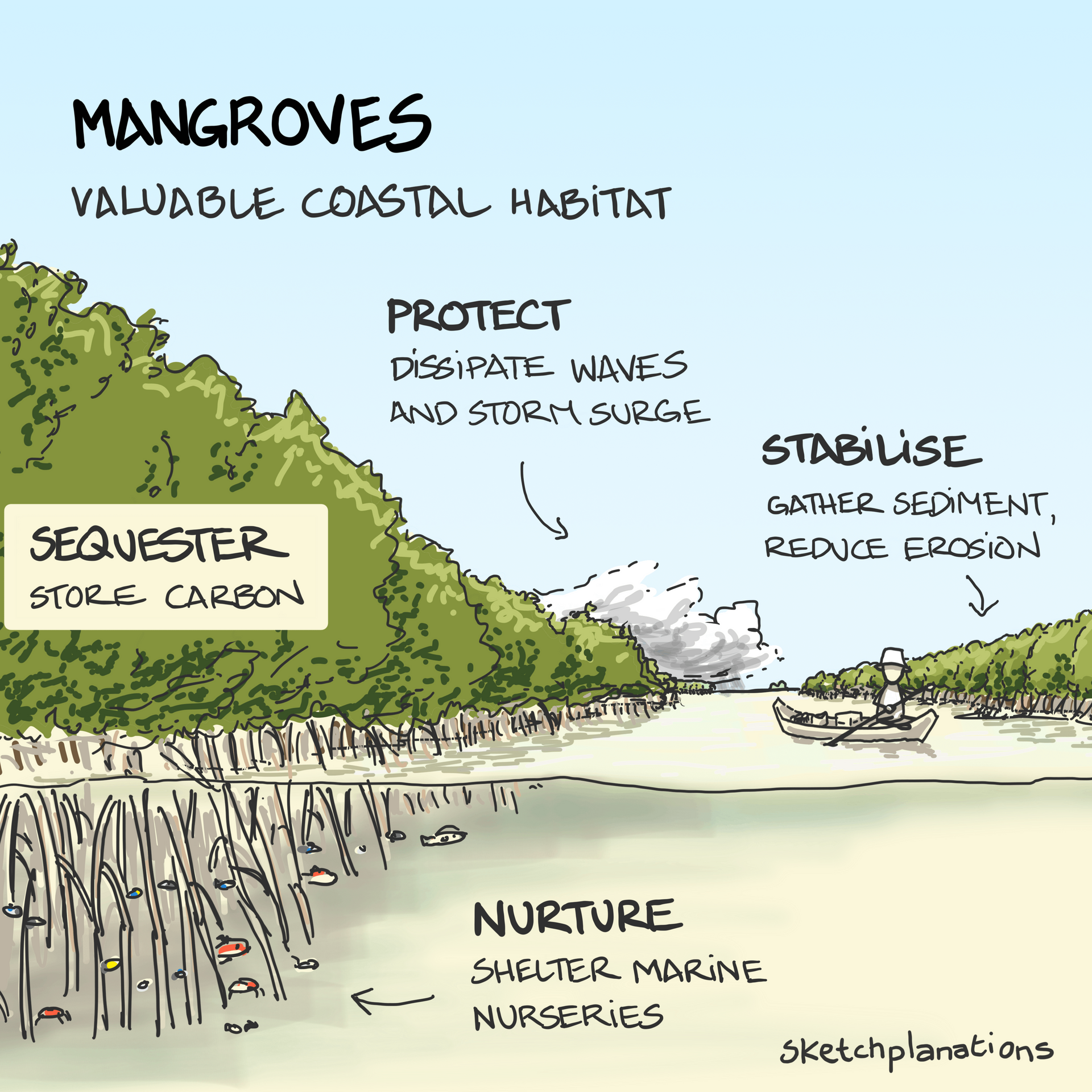
In Barranquilla, one of Colombia’s fastest growing cities, work is underway to restore a critical swampland - the Ciénaga de Mallorquín. This site lies at the mouth of the Magdalena River, and has been the victim of pollution and erosion due to its urban nature. However, restoration of mangrove trees will provide coastal protection to reduce flooding and erosion, as well as promote wildlife habitat. Good algae will promote toxin removal in the water from industrial processes nearby. Implementation of green energy initiatives like biofuels, solar power, and improved waste management contribute further to long term sustainability in the region. The ecopark serves as a site for community and heritage resources, like public programming, and is expected to empower people and drive the local economy.
Sources: https://www.weforum.org/videos/how-ecotourism-helped-transform-this-barranquilla-swamp-8a8fd4dd3a/ ; https://www.iadb.org/en/blog/urban-development-and-housing/mallorquin-swamp-natural-treasure-will-become-jewel-world-ecotourism ; https://nbi.iisd.org/report/savi-restoring-mallorquin-swamp-colombia/ ; https://aiph.org/green-city-case-studies/barranquilla-colombia-cienaga-de-mallorquin/
Space News
NASA Webb Telescope Captured Earliest Supernova Recorded So Far From Early Universe
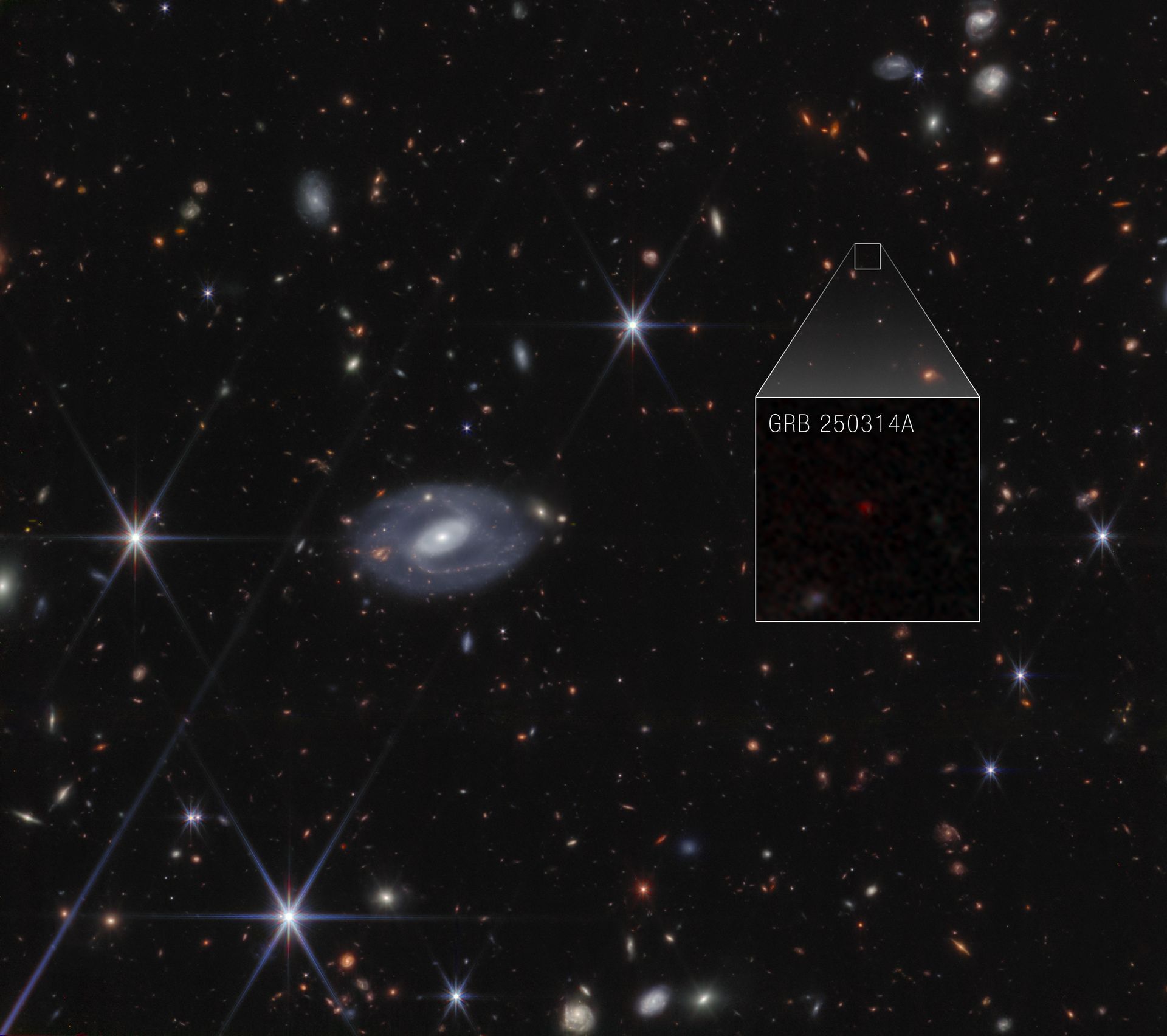
This year, imaging taken by the James Webb telescope helped document one of the earliest observed supernovas following the big bang. Evidence of these fantastic events is rare from within the first billion years of the big bang, and this one was only from 730 million years after the universe formed. Since supernova explosions contribute to the spread of materials across the universe, through the formation of new elements that they create and the force with which they expel materials, they are important in tracing the evolution of all our universe, including to the formation of life on earth.
Sources: https://www.cfa.harvard.edu/research/topic/supernovas-remnants ; https://science.nasa.gov/missions/webb/nasas-webb-identifies-earliest-supernova-to-date-shows-host-galaxy/#hds-sidebar-nav-5 ; https://www.cfa.harvard.edu/research/topic/neutron-stars-and-white-dwarfs
Shorter Duration and Smaller Coverage Area of 2025 Hole in the
Ozone Layer
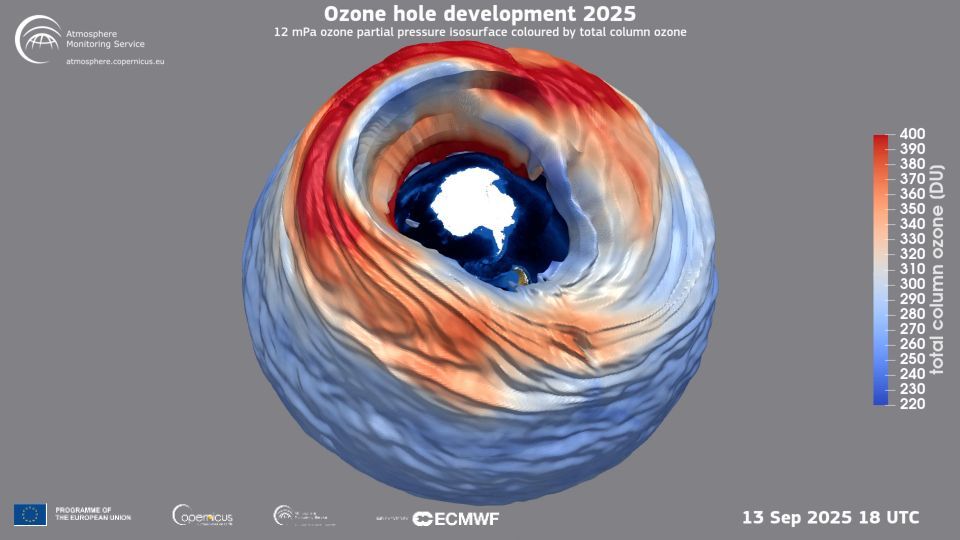
The Ozone layer, one of the layers of Earth’s atmosphere, absorbs much of the ultraviolet light that hits our planet from the Sun. It keeps us safe from the damage this type of light can cause to the DNA and bodies of living organisms on our planet, from plants to human beings. Certain chemicals used by humans can cause this layer to thin, and in the 1980s this seasonal thinning, referred to as a hole in the Ozone layer, began to be observed and discussed more widely. Work to ban the chemicals that contribute to this thinning is showing progress, with this year marking one of the smallest and most fleeting appearances of the hole since its largest emergence in 2006. This year was the fifth smallest that the Ozone hole has been since the one in 1992, and 30% smaller than the one seen in 2006. This shows that the seasonal Ozone thinning is trending toward recovery.
Sources: https://science.nasa.gov/earth/earth-observatory/world-of-change/ozone-hole/ ; https://www.noaa.gov/news-release/noaa-nasa-2025-ozone-hole-is-5th-smallest-since-1992 ; https://atmosphere.copernicus.eu/copernicus-early-ozone-hole-development-and-high-variability-2025
New Imaging Changes Understanding of Black Holes in Early Universe
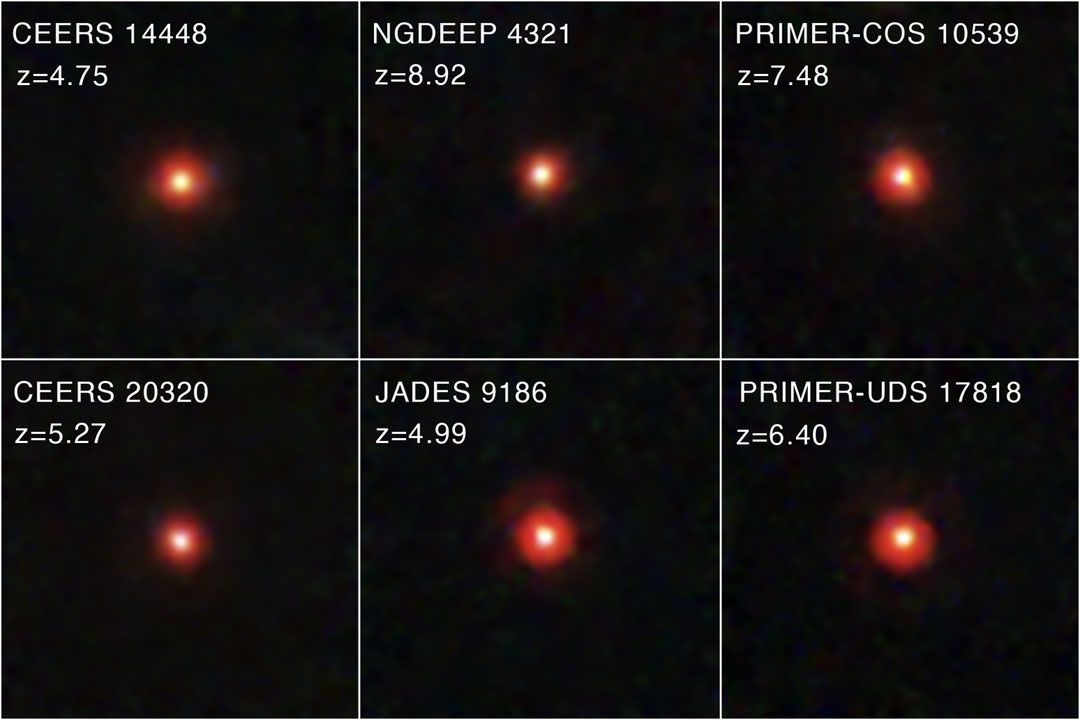
Another extraordinary discovery in space was aided by the James Webb telescope this year–a super old, supermassive black hole. As the James Webb telescope has been imaging our universe over the past few years, it has illuminated never before noticed bits of the spatial landscape including what are called “little red dots.” These dots are possibly black hole stars. What is significant about this huge black hole is that there are hardly any stars circling it, which would show it may have formed from the collapse of a star as time passed. This one, though, doesn’t look like it sits at the center of its own ancient galaxy, instead it could have formed along a different timeline–even, perhaps, at the moment of the big bang. The true significance of this find is still yet to be determined, but this discovery makes space for theories about what the form of the earliest moments in our universe were, and the possibility of black holes developing before a surrounding galaxy.
Sources: https://www.quantamagazine.org/a-single-naked-black-hole-rewrites-the-history-of-the-universe-20250912/ ; https://www.science.org/content/article/early-universe-s-little-red-dots-may-be-black-hole-stars
RECENT ARTICLES