FIELD NOTES BLOG
Meet our Summer Staff Team
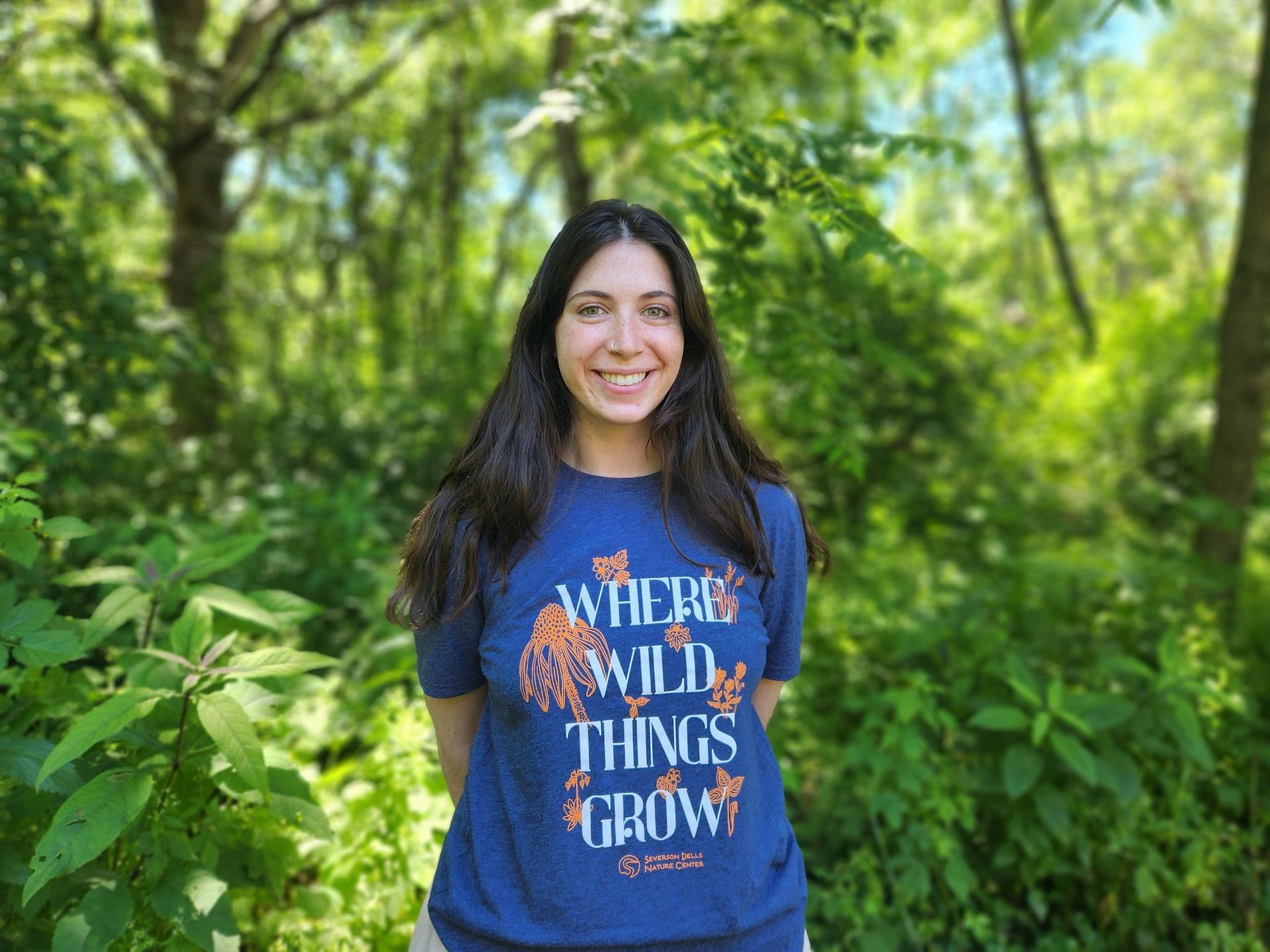
Mary Miller | Severson Dells Wild Things Camp Lead
My name is Mary Miller (she/her), and this is my second summer at Severson Dells! When I am not at Severson Dells helping out with summer camp, I am teaching big kids (5-12th grade) Social Studies and English Language Arts! My favorite hike at Severson is the creek hike where you go out and explore the Dells under the guidance of a Severson staff member. The Dells here are millions of years old, and we even have some cool fossils we can share with the Rockford community. During summer camp last year, a kiddo was playing with rocks in the creek and discovered a coral reef fossil that is older than dinosaurs. It was a really cool day to be a camp counselor.
I love working at Severson Dells because the staff here are so passionate about the environment, love molding and nurturing young minds, and care deeply about preserving our beautiful space. Severson Dells truly is a rare gem in the Rockford community. It is the best spot to spend your summer vacation.
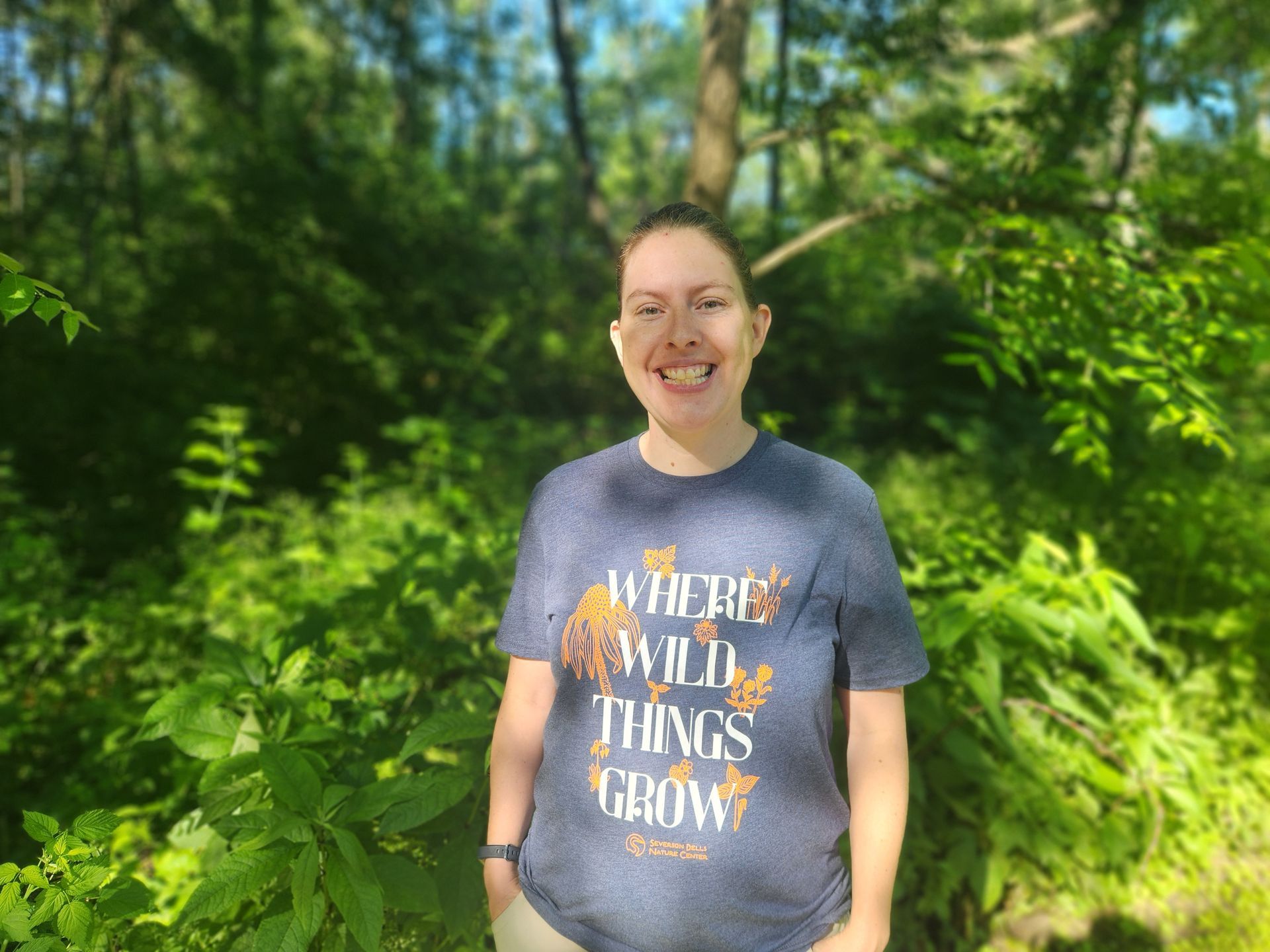
Liz Weiner | Severson Dells Junior Naturalist Camp Lead
Liz has climbed mountains, conquered white water rapids, learned how to fluently speak dragon, and is also our lead for Junior Naturalist Camp! Her expertise knows no bounds and she's excited to share her knowledge with campers- whether it's knot tying, team building, or creek walking. She's looking forward to camp classics like the "muddiest camper" competition as well as some new and exciting activities. Ask her about what the trolls have been up to, she's got a lot of stories to share!
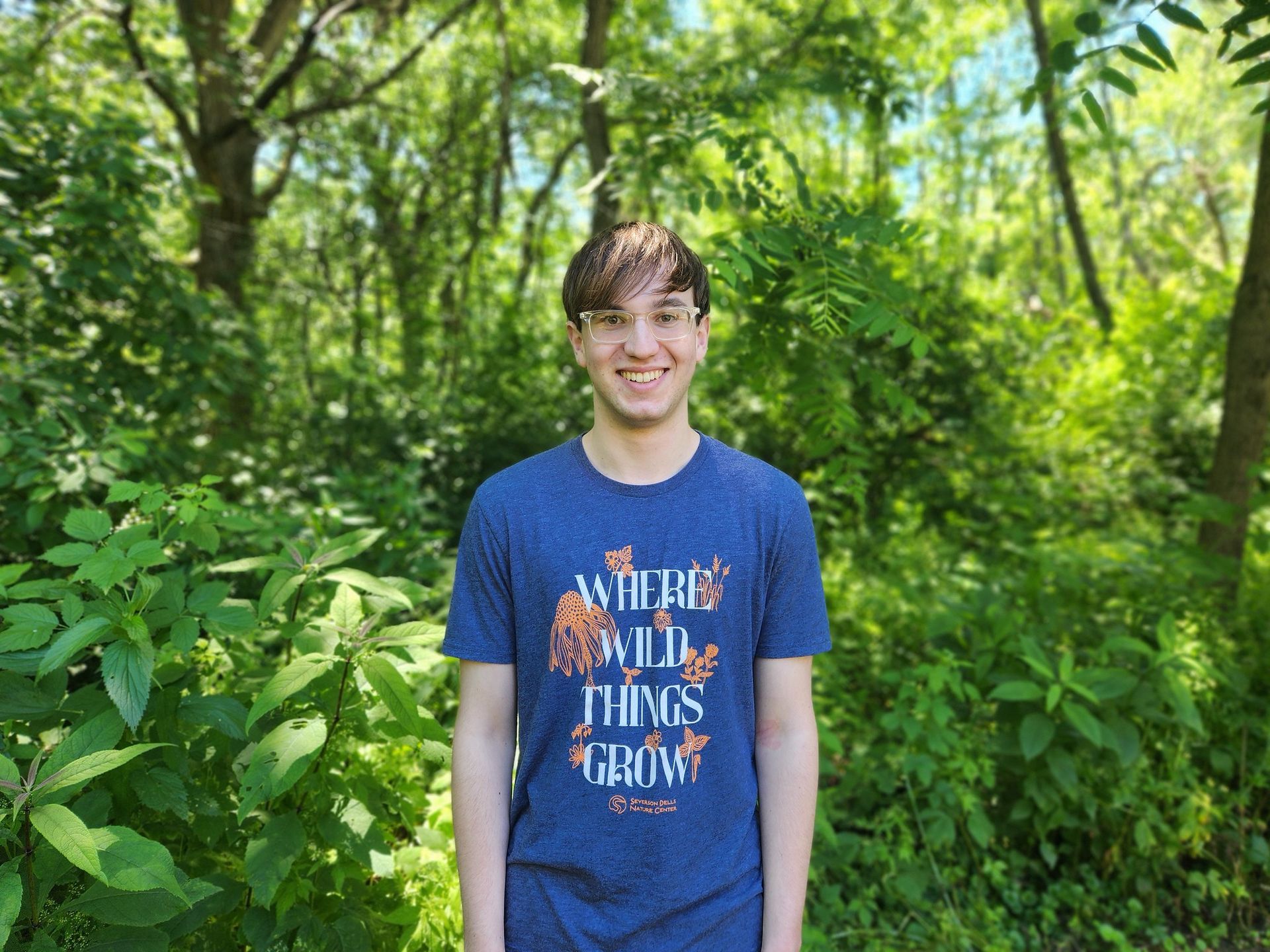
Alex Marshall | Severson Dells Summer Camp Assistant
Hello nature people! My name is Alex Marshall and I will be returning as a summer camp staff member this summer. I have lived in Rockton for most of my life and love the northern Illinois area and all of its natural spaces. I have been involved in Severson in some capacity—whether as a camper, volunteer, or counselor—for the past decade. I still remember my first year as a camper, refusing to get into the creek until the very end of the week. Now, I love to get into the creek to look for crayfish and damselflies! I recently graduated from Hononegah Community High School and will be attending the University of New Hampshire in the fall to study Marine, Estuarine, and Freshwater Biology. I am passionate about social and environmental issues (grow native gardens!), and enjoy reading, gardening, bird banding, and getting out into nature in my free time. I am so excited to spend another summer at Severson, helping youth to connect with nature.
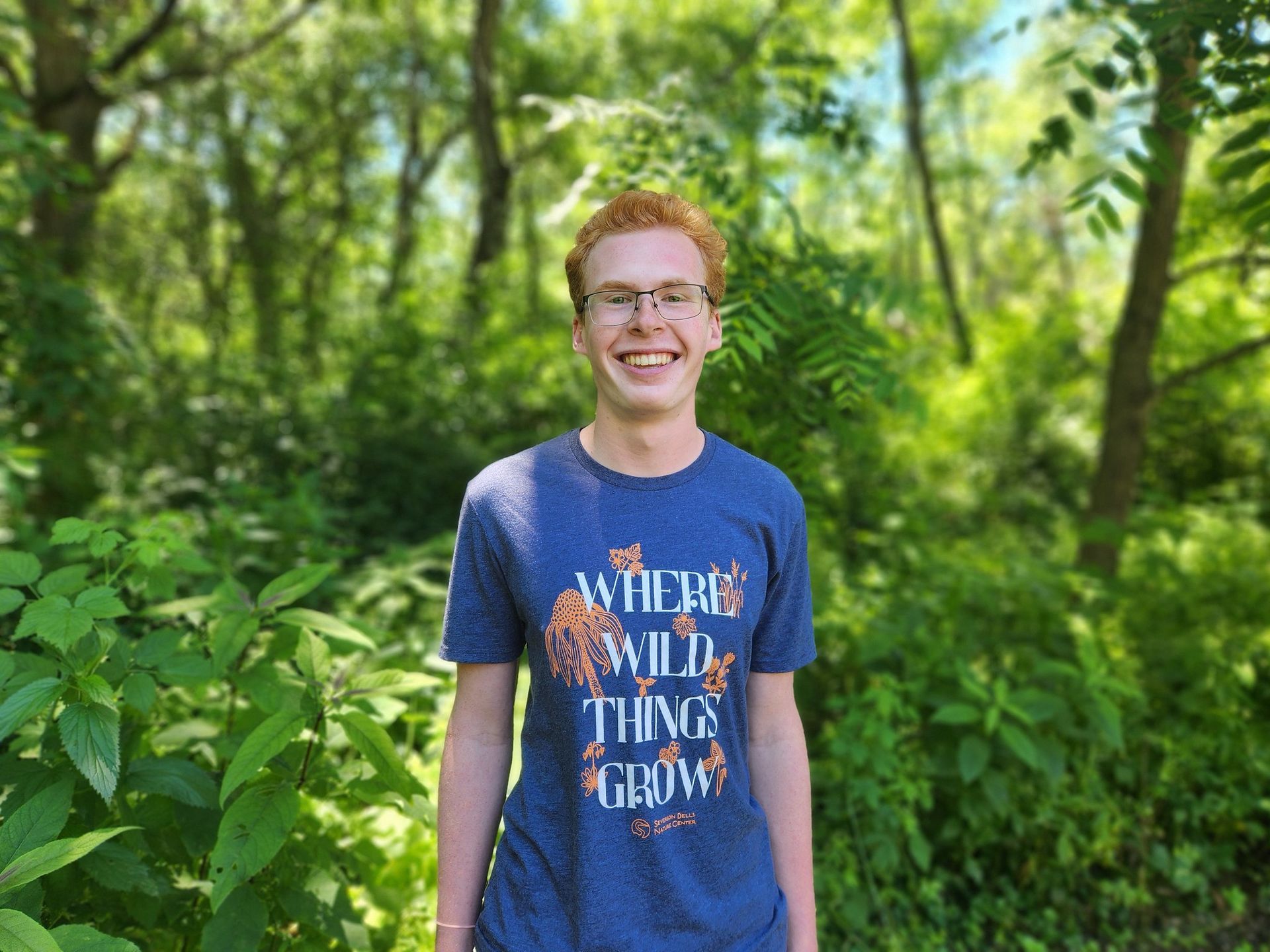
Mason Powell | Severson Dells Summer Camp Assistant
Hello, my name is Mason Powell, and I’m a part of the Severson Dells team this summer, as a camp counselor. I am a graduate of Hononegah, class of 2024. I have worked for over two years with children. I am super excited to spend my summer making lasting memories and going on lots of creek walks! This Fall, I will be attending UW River Falls, majoring in Environmental Science. I can’t wait to see what the summer has in store!
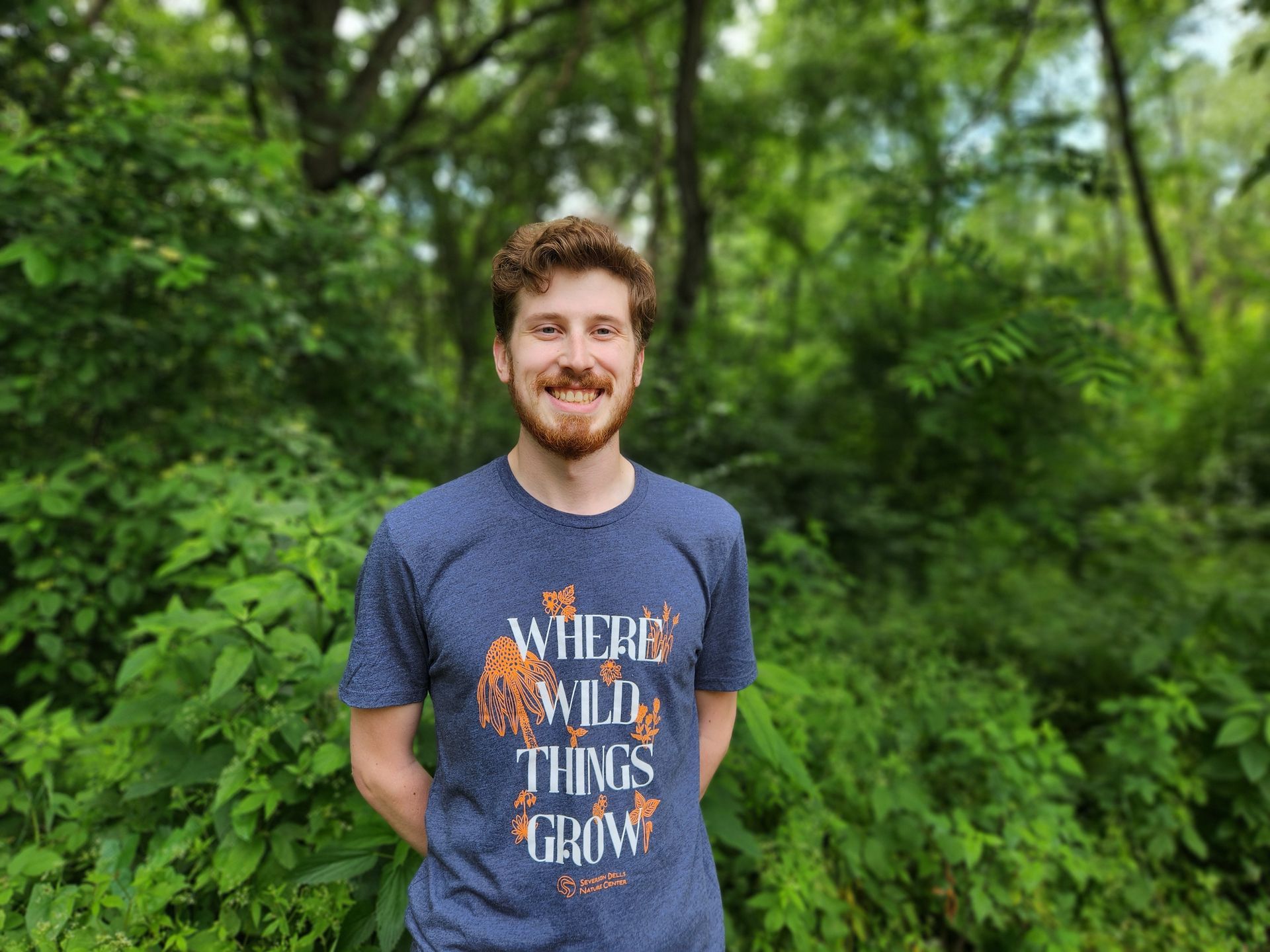
Alex Lunde | RPS 205 Summer Retreat Lead
Hello, Hello! My name is Alex and here at Severson Dells we give people the opportunity to enjoy and experience nature! I graduated from Augustana College majoring in Geography and Environmental Studies. This year I will be running the RPS summer camps for all our happy campers, I have tons of fun activities in store for all ranging from exploring our wonderful habitats, meeting (and catching) some wildlife, and playing all sorts of exciting games. This summer will be a blast!
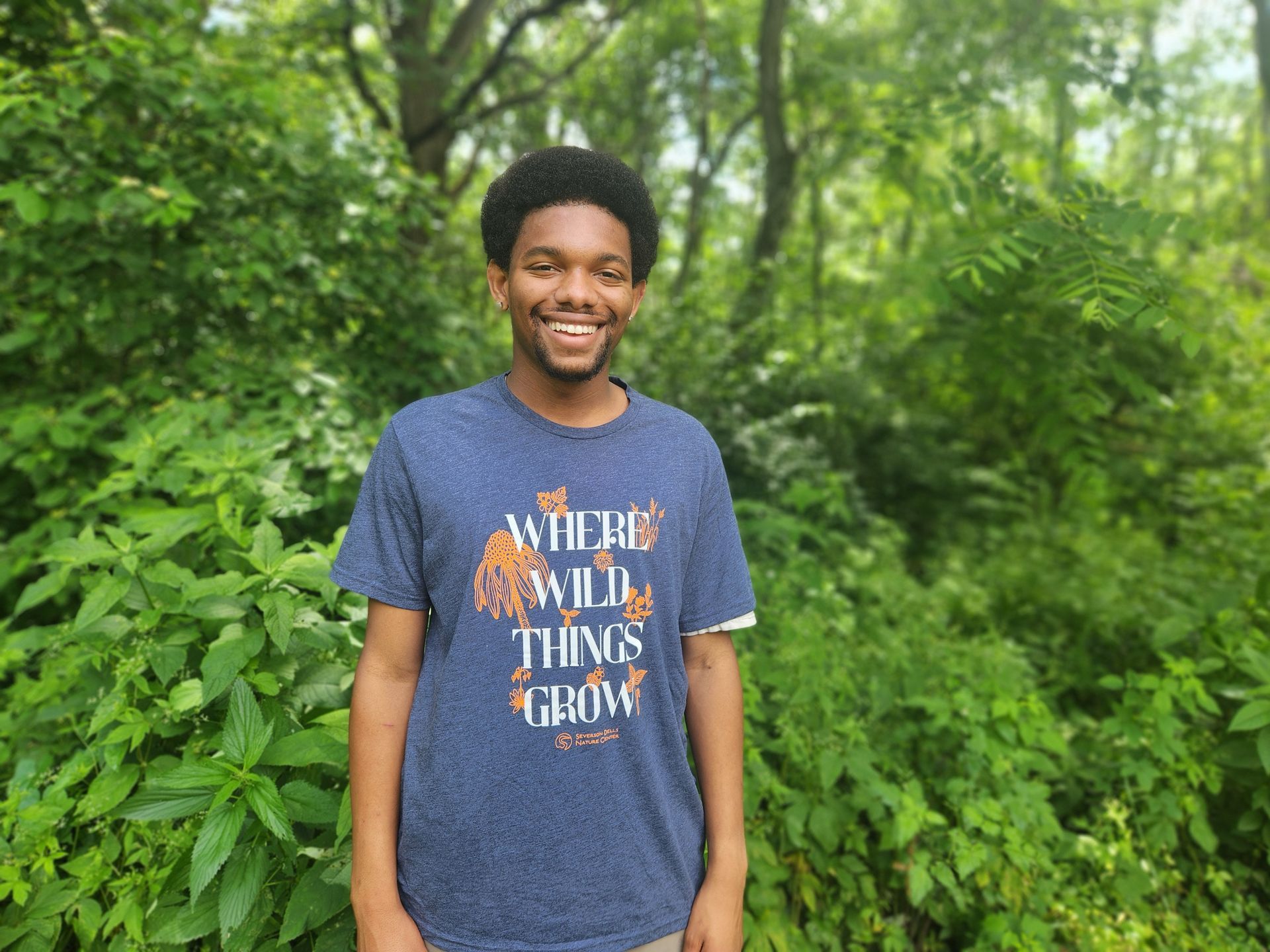
Bryce Messer | RPS 205 Summer Retreat Lead
Salutations, my name is Bryce Messer and I serve Severson Dells as an environmental education AmeriCorps. I moved to Illinois from the south to get my Masters at Southern Illinois University Carbondale. In my career, I have had the pleasure of working with public programs for all age ranges and have a passion for introducing new people to the great outdoors. I’m looking forward to sharing my knowledge and fostering an everlasting love for nature with my campers. This fall I will be moving to Gainesville, Florida to start my PhD in wildlife ecology and conservation at the University of Florida. This summer’s going to be a blast; that’s a Bryce Messer guarantee!
RECENT ARTICLES