FIELD NOTES BLOG

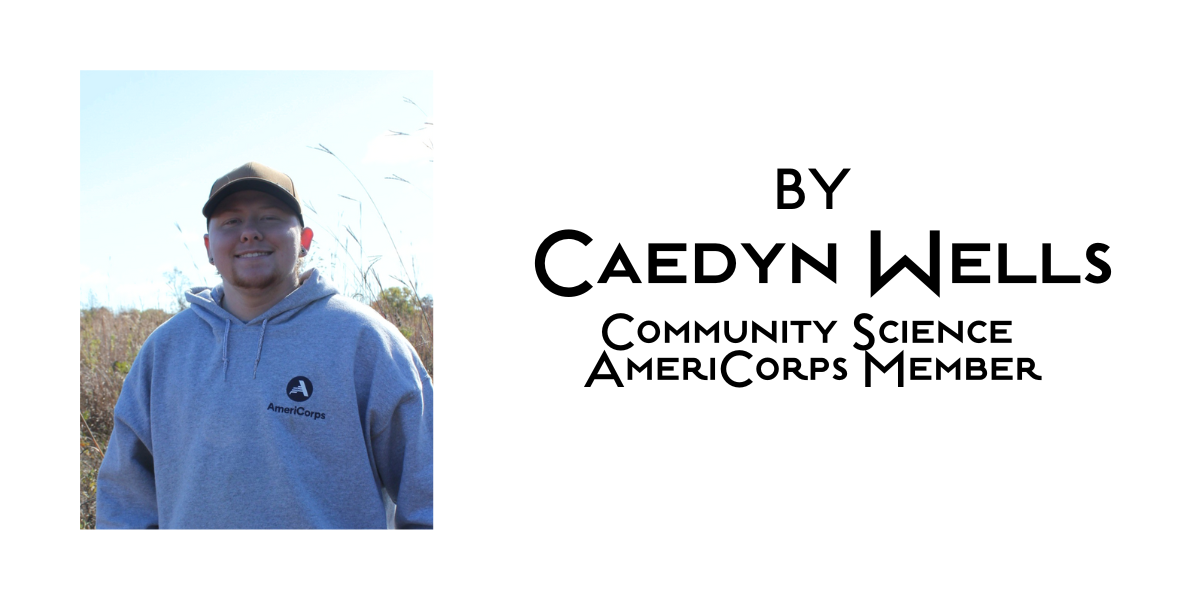
Meet Caedyn

communityscience
October 24, 2025

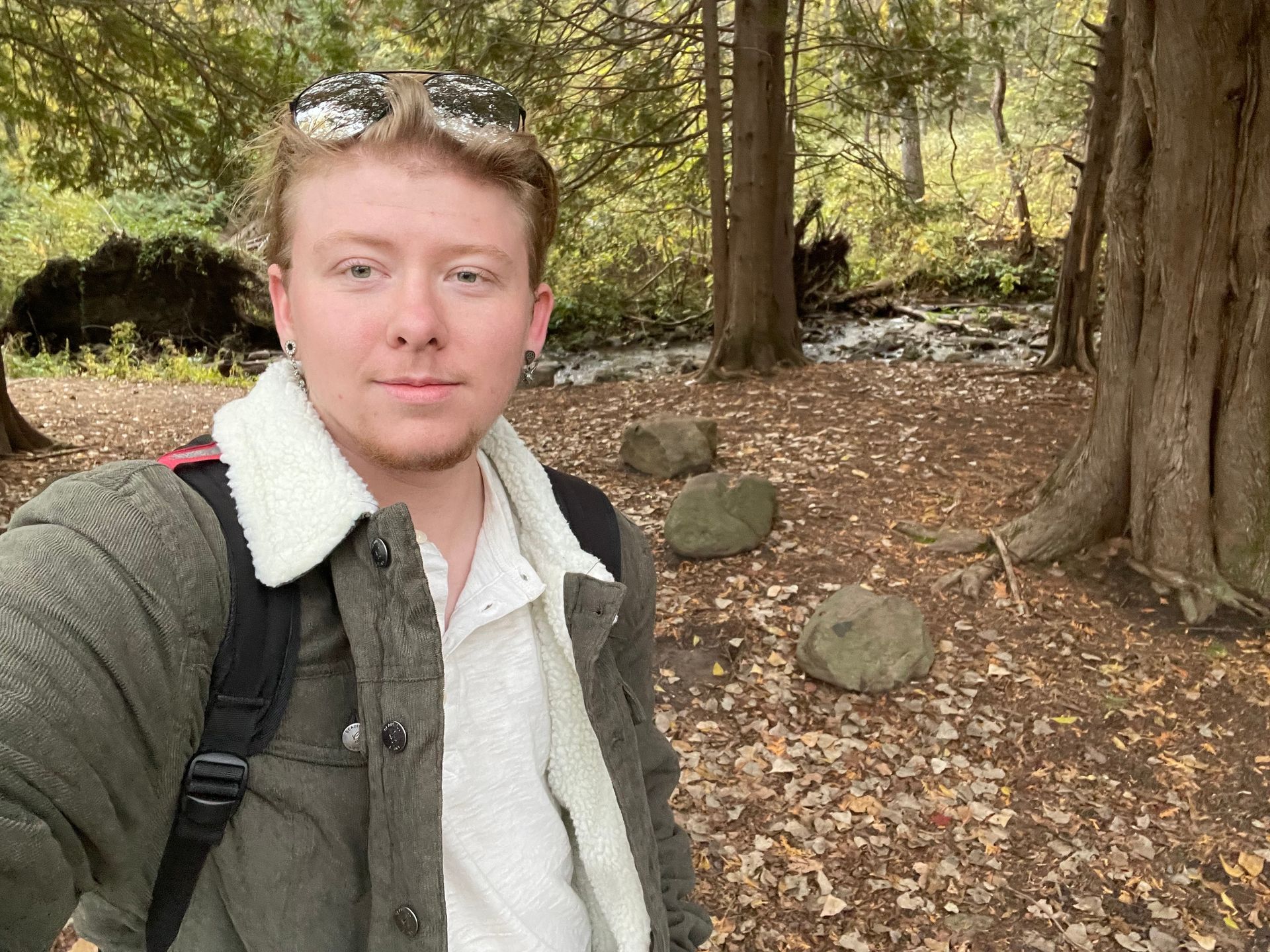
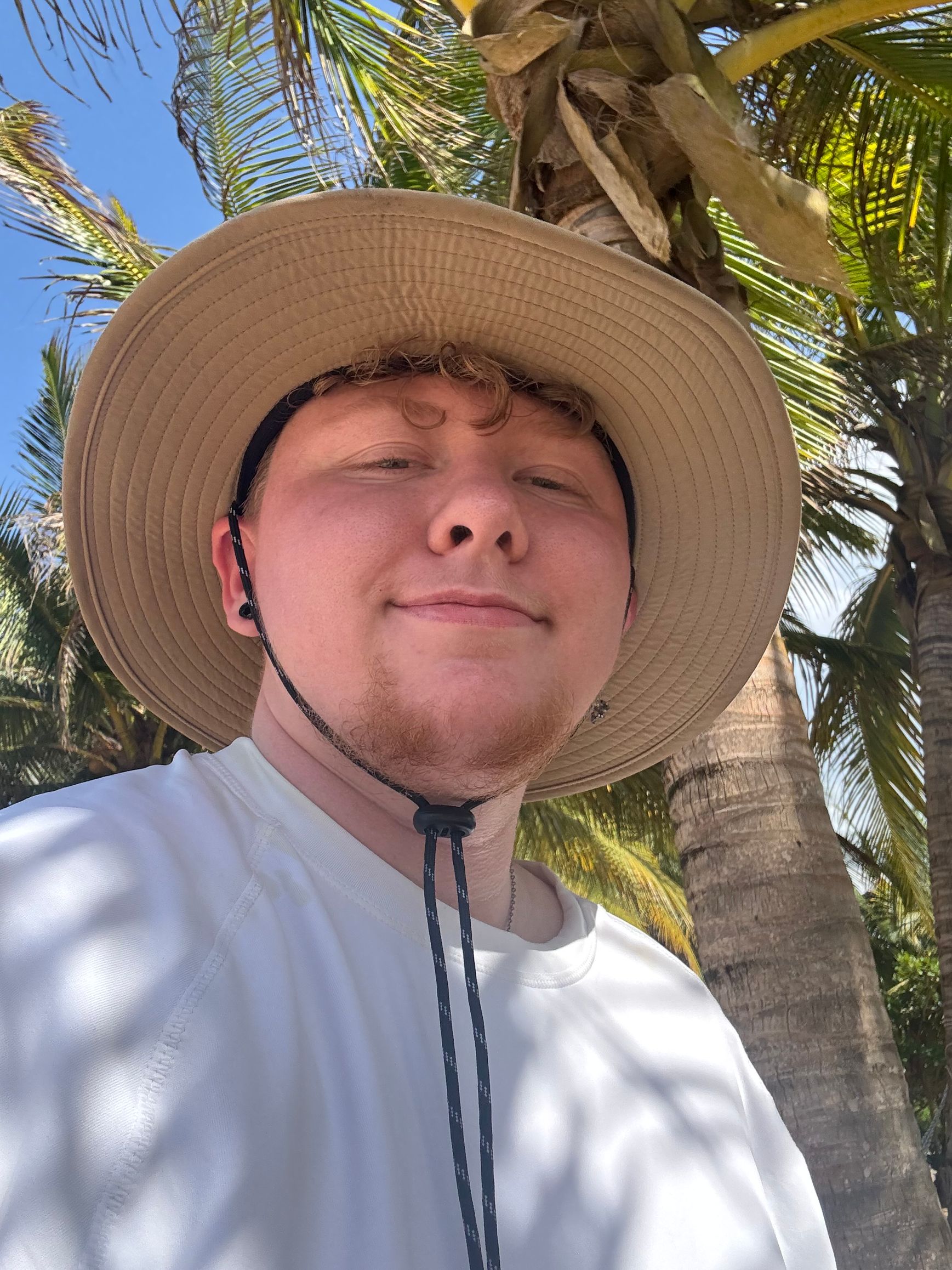
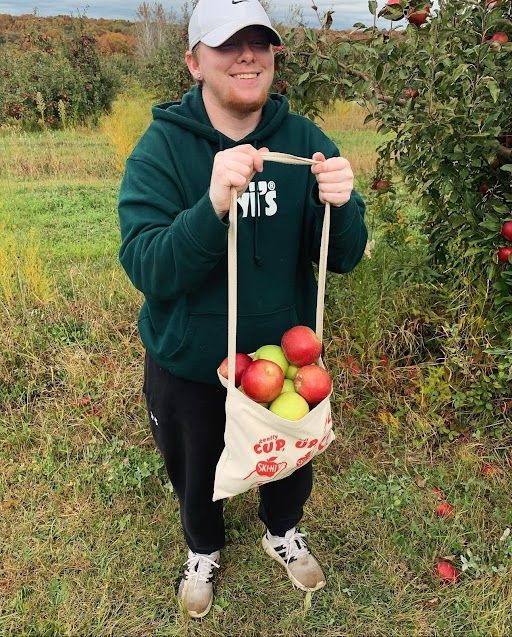
Hello! My name is Caedyn Wells, and I am beyond excited to be serving Severson Dells as the Community Science AmeriCorps member!


This May, I graduated from Beloit College with an Environmental Biology degree with a Geology minor. Before accepting my Americorps position, I managed the Beloit College boathouse for three consecutive years. During that time I connected college students to nature through canoeing, kayaking, and outdoor activities. Additionally before ending my college career, I took a field seminar in Puerto Rico. Throughout this seminar I studied and gained an understanding of severe weather events that affect the island and people. Taking a holistic look at the Geology, I made connections between tectonics, sedimentology, stratigraphy, and paleontology, in order to better understand earth history and ways Geology and sea level rise influences society. 


I am passionate about connecting people to nature through my role in community science because it gives people unique insights into local ecosystems, and helps us better understand how to protect and enjoy our environments and others. Being from Beloit, WI I understand the importance of green spaces in thriving cities, and I am excited to work on a variety of projects with Severson Dells and partner organizations. I hope to see you all in the field, and exploring nature very soon!
RECENT ARTICLES
By Communityscience December 23, 2025
Algae in Our Waterways
By Becca Rankins December 22, 2025
At the end of each December, I always find myself reading article after article detailing a "Year in Photos." In a world currently plagued by AI created content, these photos are raw examples of the human experience this year has offered to us. Here at Severson Dells, we collect photos of our human experience in nature. For some, nature is a place that allow us to develop deeper human relationships through a shared love of the natural world. For others, it is our own personal experience with nature that provides definition to our own sense of humanity. Either way, these photos hold the memories we all have made in this beautiful space. In the spirit of reflection, I've asked staff to submit their favorite photos from 2025. Below are their submissions.
By education3.americorps December 11, 2025
I grew up with stories from my parents about how they would spend their teenage years out until the streetlights came on, and that at ten o’clock a celebrity would come on television to ask adults, “Do you know where your children are?” I spent my own teen years riding my bike everywhere: the library, the pool, playing chicken with four lanes of traffic to go to the ice cream shop. I could easily walk to the park and meet up with friends and not worry about anything but a sunburn. But as technology advances, the cultural prevalence of true crime heightens, and urban sprawl increases, teens are spending less time outside interacting with nature. What is stopping teens from exploring the outdoors? Daily life has become inundated with technology and social media and it can be harder to find time (or the will power) to go outside. Part of growing up is an increased desire to spend time with friends versus family as you develop a stronger sense of identity. Social media is an easy means for teens to reach out to their peers and seek validation and camaraderie. Teens also desire a higher level of independence as part of their brain development. A need for independence and increased time spent with friends does lead to a general drop off of time spent in nature. There are many factors that go into whether or not your teen wants to spend time outdoors. Access to the outdoors or nature plays a big part. Unless teens are able to have a means of transportation, it can be hard to access genuine outdoor spaces without relying on others (and your teen wants to be independent so asking for a ride from a parent is so unappealing). This issue increases for teens in urban areas where green spaces are a limited commodity, or neglected by the community, and they may have to travel to other neighborhoods to access quality spaces.