FIELD NOTES BLOG

Sydney's Farewell

Sydney Sherbitsky
August 26, 2025

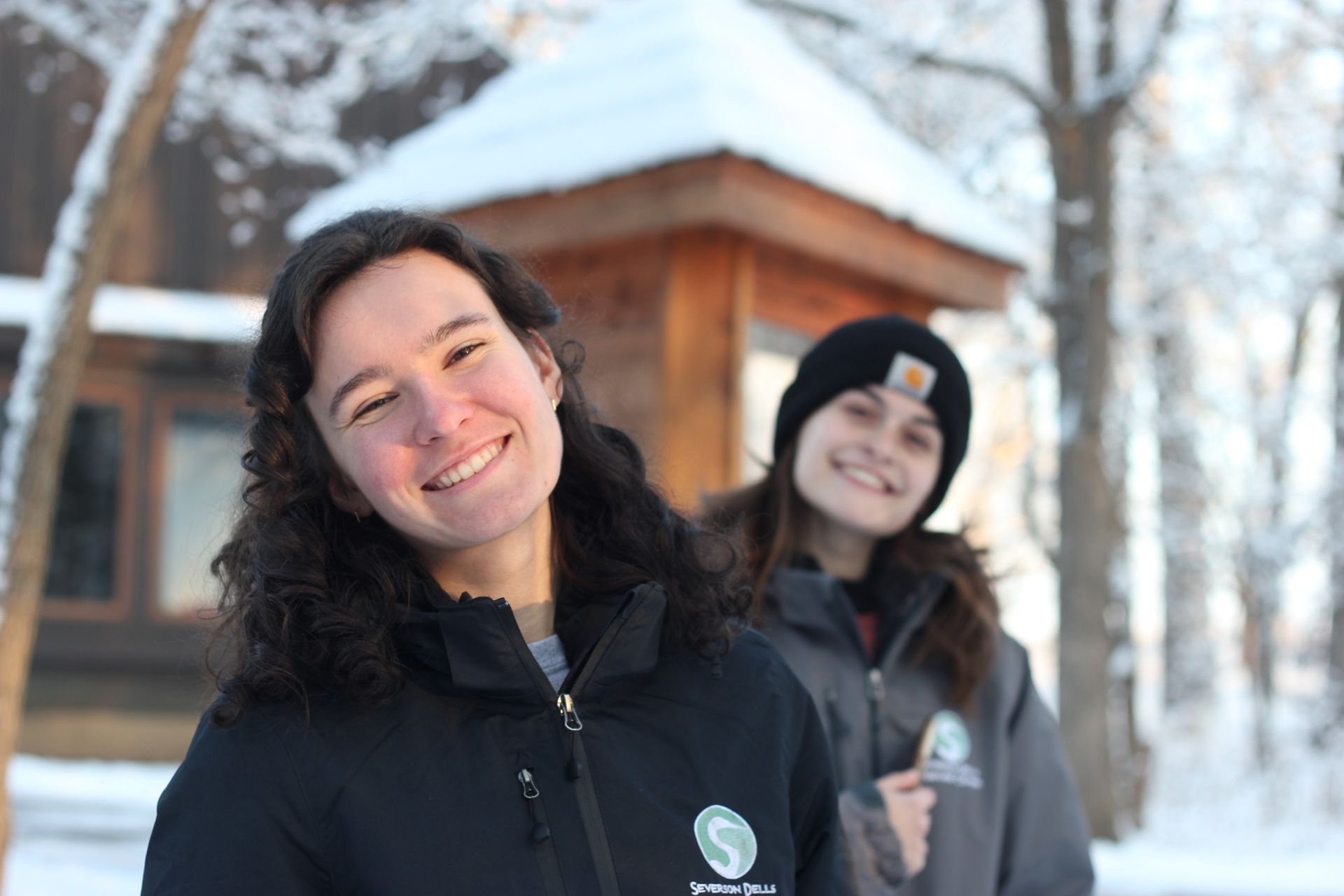
I’m sitting at my desk listening to the distant chatter of kids outside and the excited murmuring of my coworkers. I am surrounded by tokens of memories - a sticker from the rot museum and a walnut shell owl I made with campers. On my computer screen, a half edited video about the Grove. In my desk drawer, a stack of lesson plans I once felt nervous to teach, but I now know by heart. Next is the bigfoot code from the cryptid hike, handwritten notes from my coworkers, and the spot where my notebook lives. This notebook has been with me from the start of this position and is full of the many things I have learned at Severson Dells. As my time here comes to a close, I flip back through the pages and reflect on what the past year has taught me…

Discover Nature Hike Lesson Notes

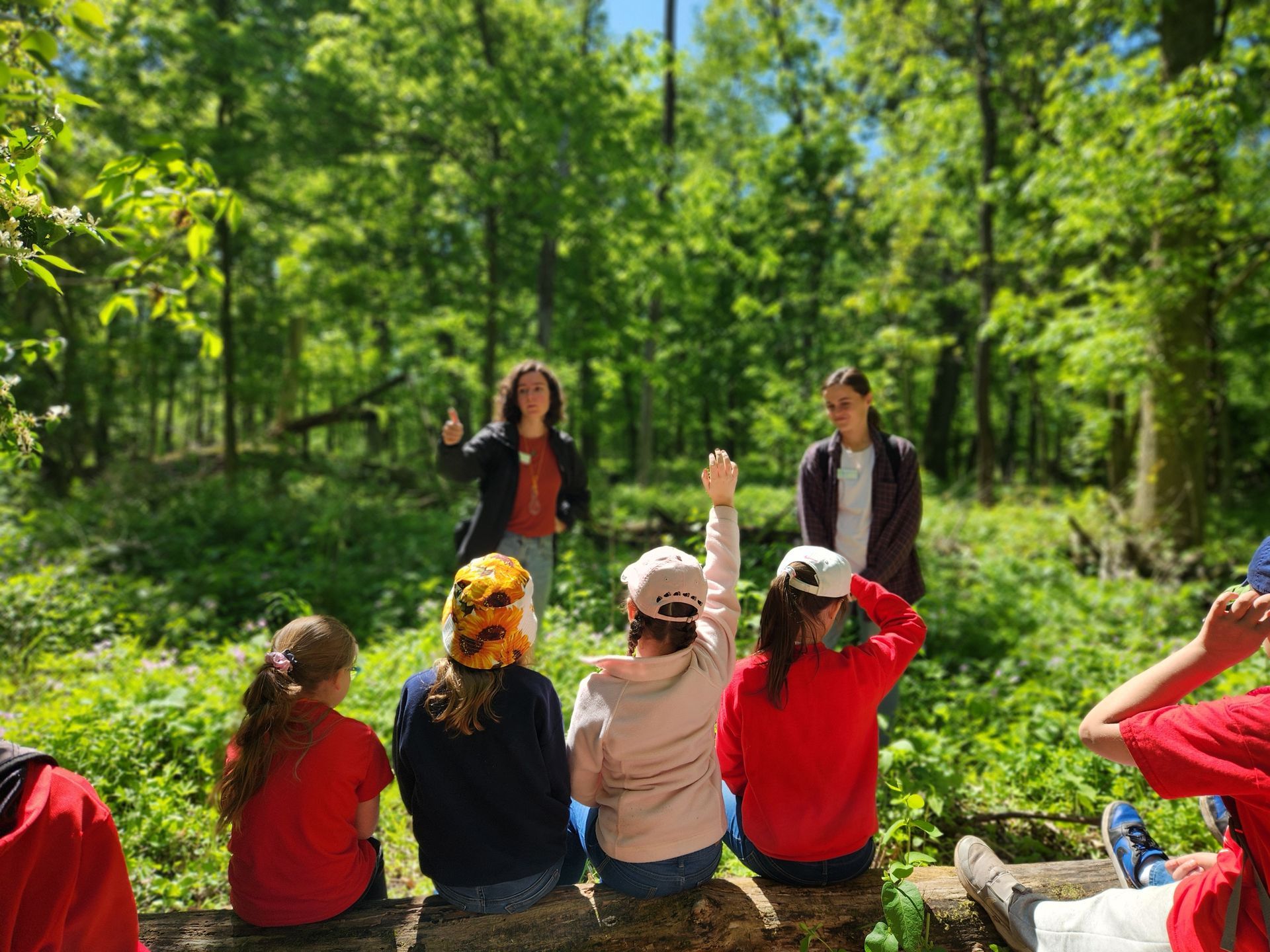
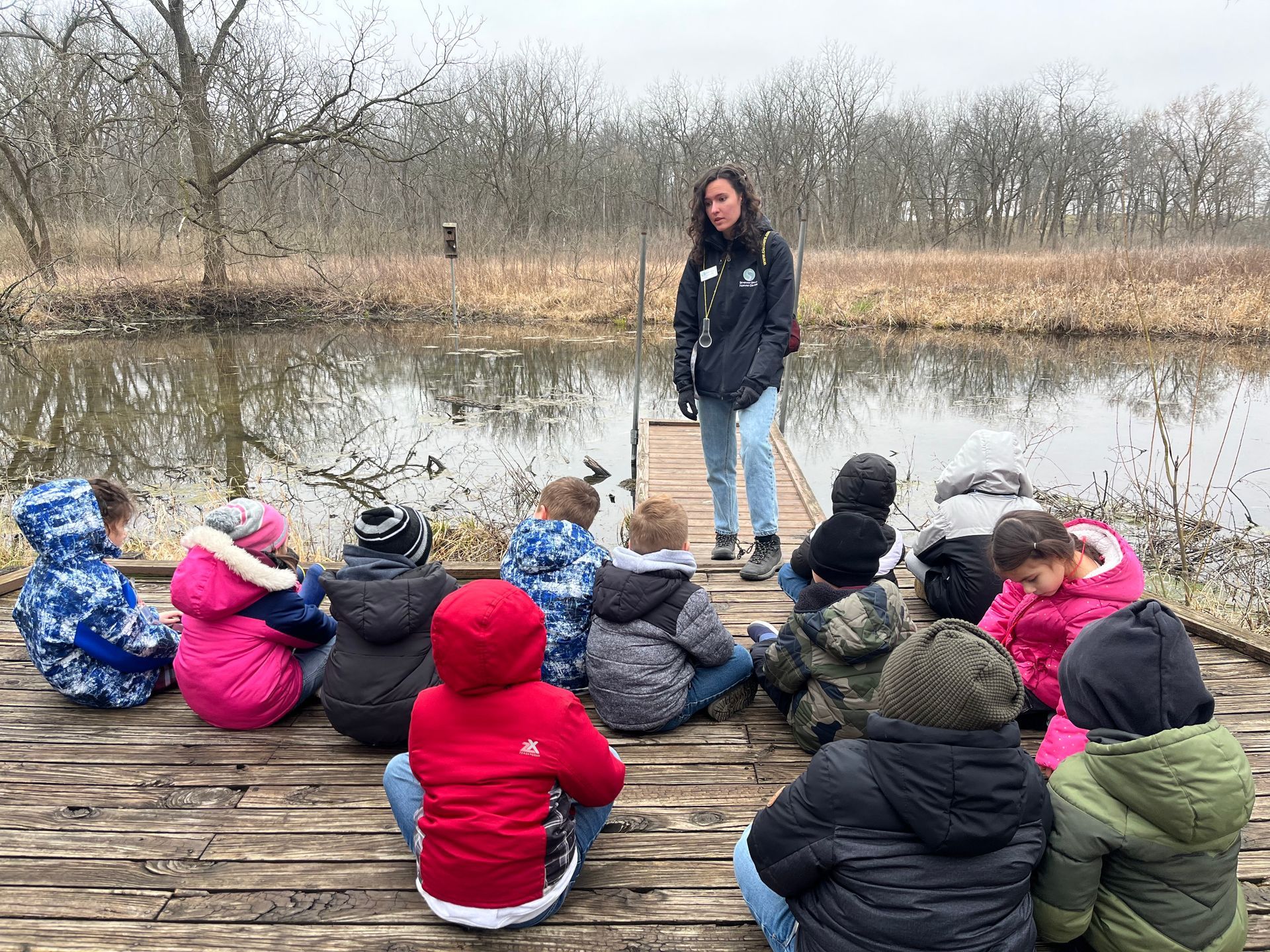
When I first started at Severson last October I was trying to absorb as much information as possible, so I copied down some field trip lesson plans, one of them being: discover nature hikes. These hikes were always a magical experience and I was so excited to lead my first hike on my own. I have now led dozens of hikes in addition to the countless other field trip programs I have facilitated in the fall and spring.

We love Graphic Design!

I was introduced to Canva and Severson’s branding guidelines early and I learned how to connect with a wider audience on our outline platforms. I have written many informational blogs in this position, created many Canva Instagram posts, and edited many reels. Some of my favorite projects were the big melt blog, the animal courtship ceremonies Instagram post, and the kids FAQ reel.

Lesson Planning 101

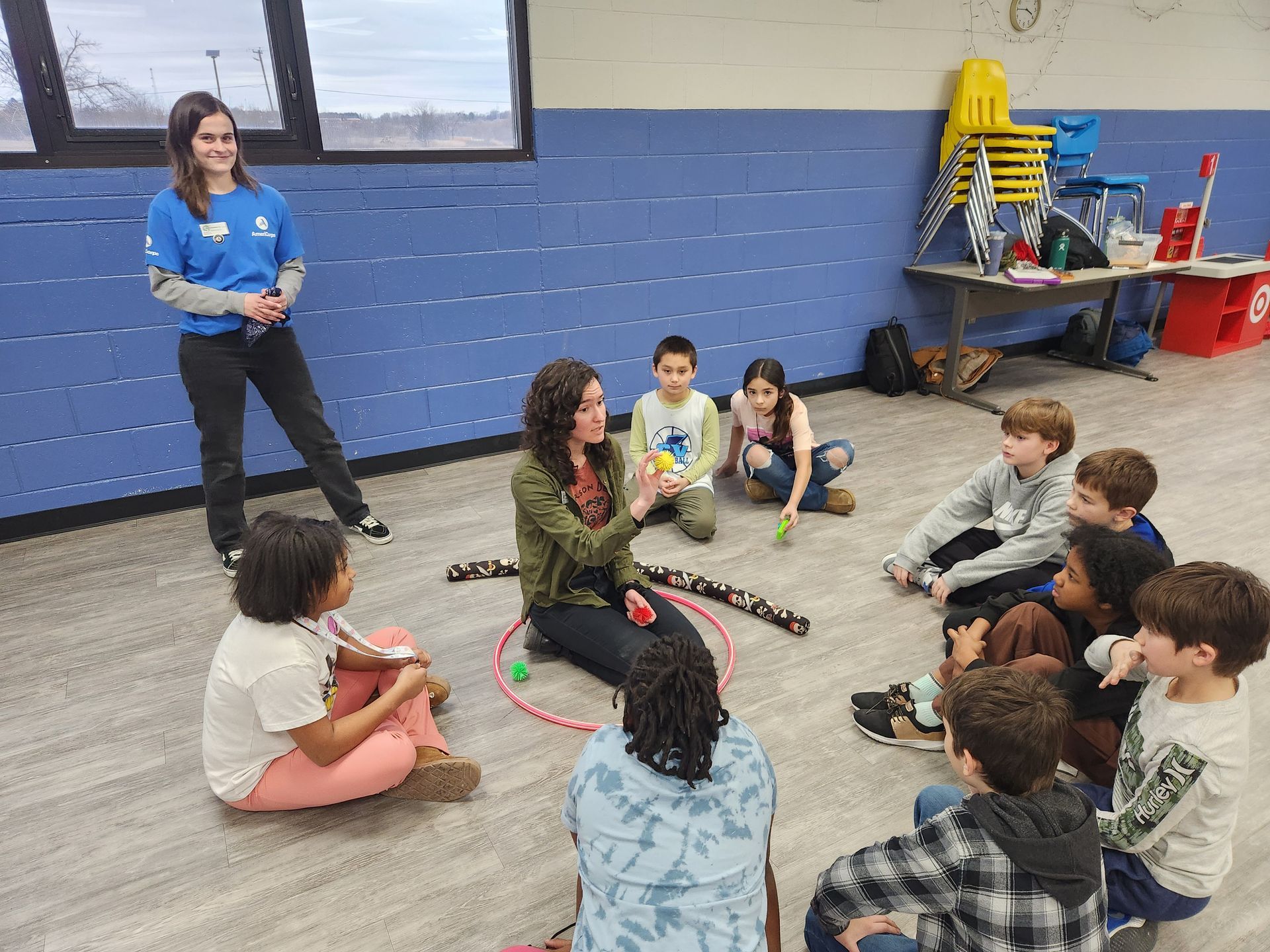
I helped lead afterschool programs at two local Boys and Girls Clubs throughout the winter and spring that reached 500 students. The Boys and Girls Club program allowed me to learn how to write lesson plans, and after many edits, I taught those lessons at the afterschool program.

Watershed Management Intro

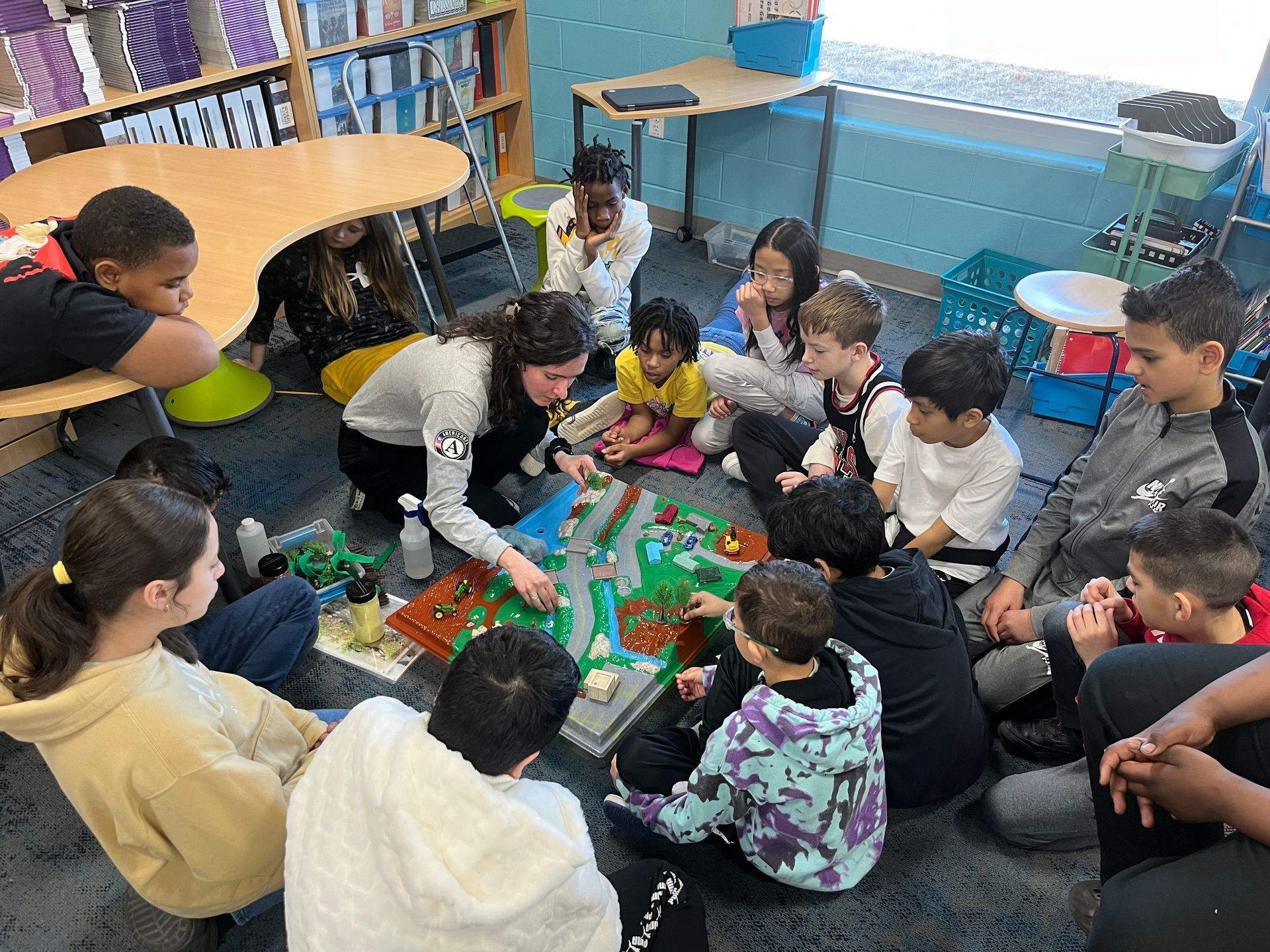
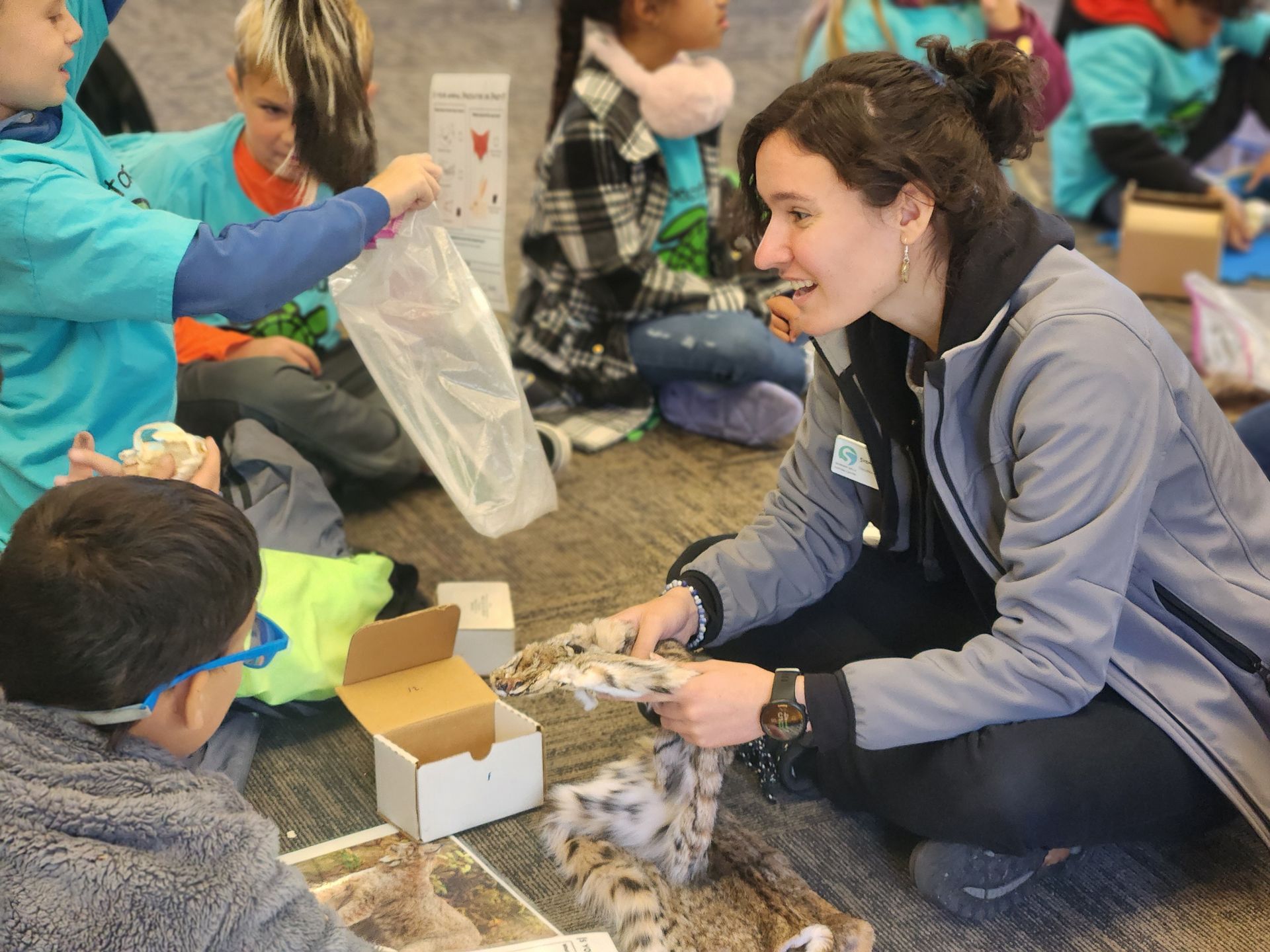
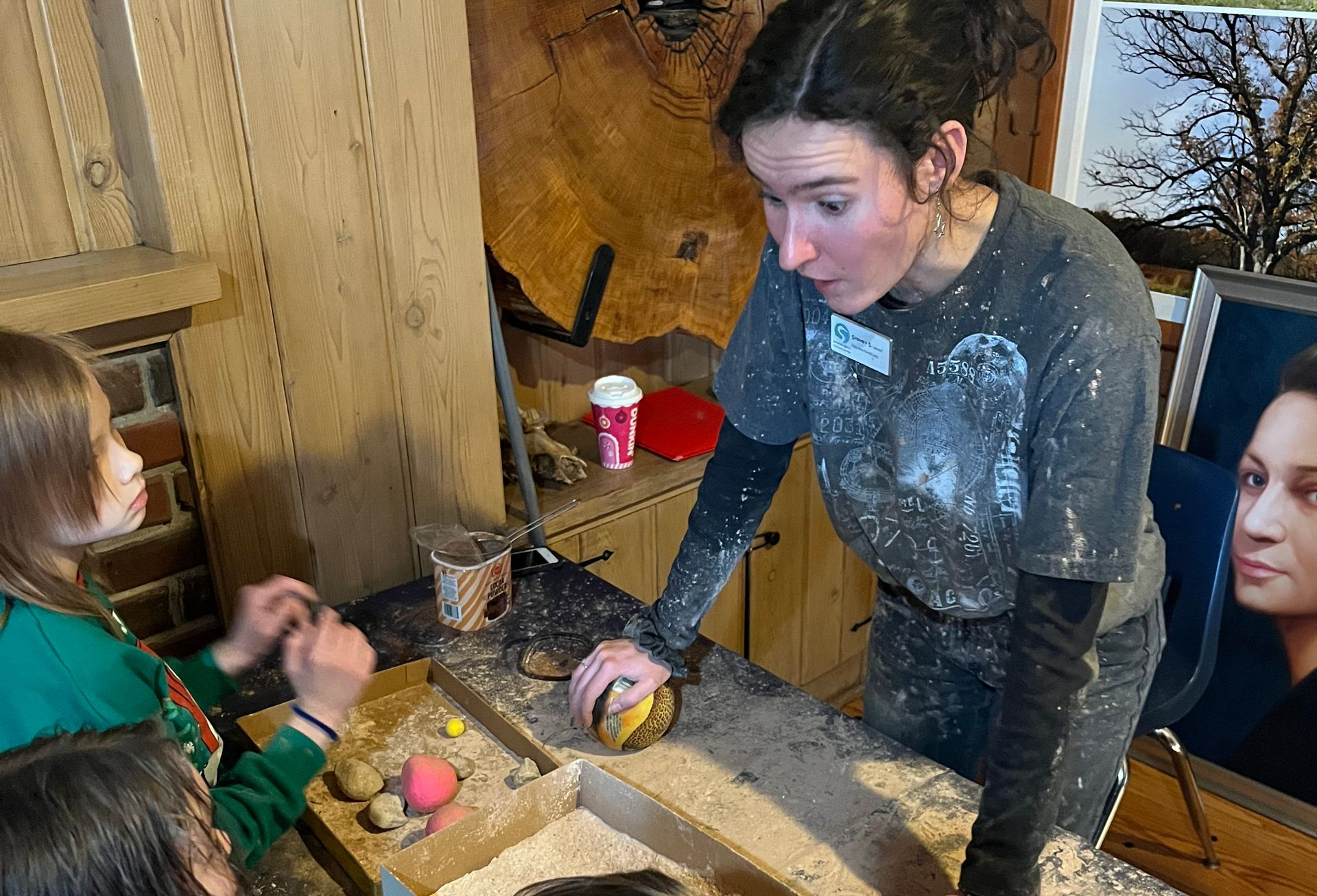
This program is where I found my teaching style. This winter we visited 5th grade classrooms across the Rockford public school system to teach about the importance of water management. I taught this lesson many times over, so I started to add my own twist to things: I named some of the animals in the model and pretended I was an evil mayor that polluted the water before we brainstormed how we could keep runoff water clean on its way back to nature. And just like that, teaching went from something that made me a little nervous to something I really enjoyed doing.

City Nature Challenge Game Plan

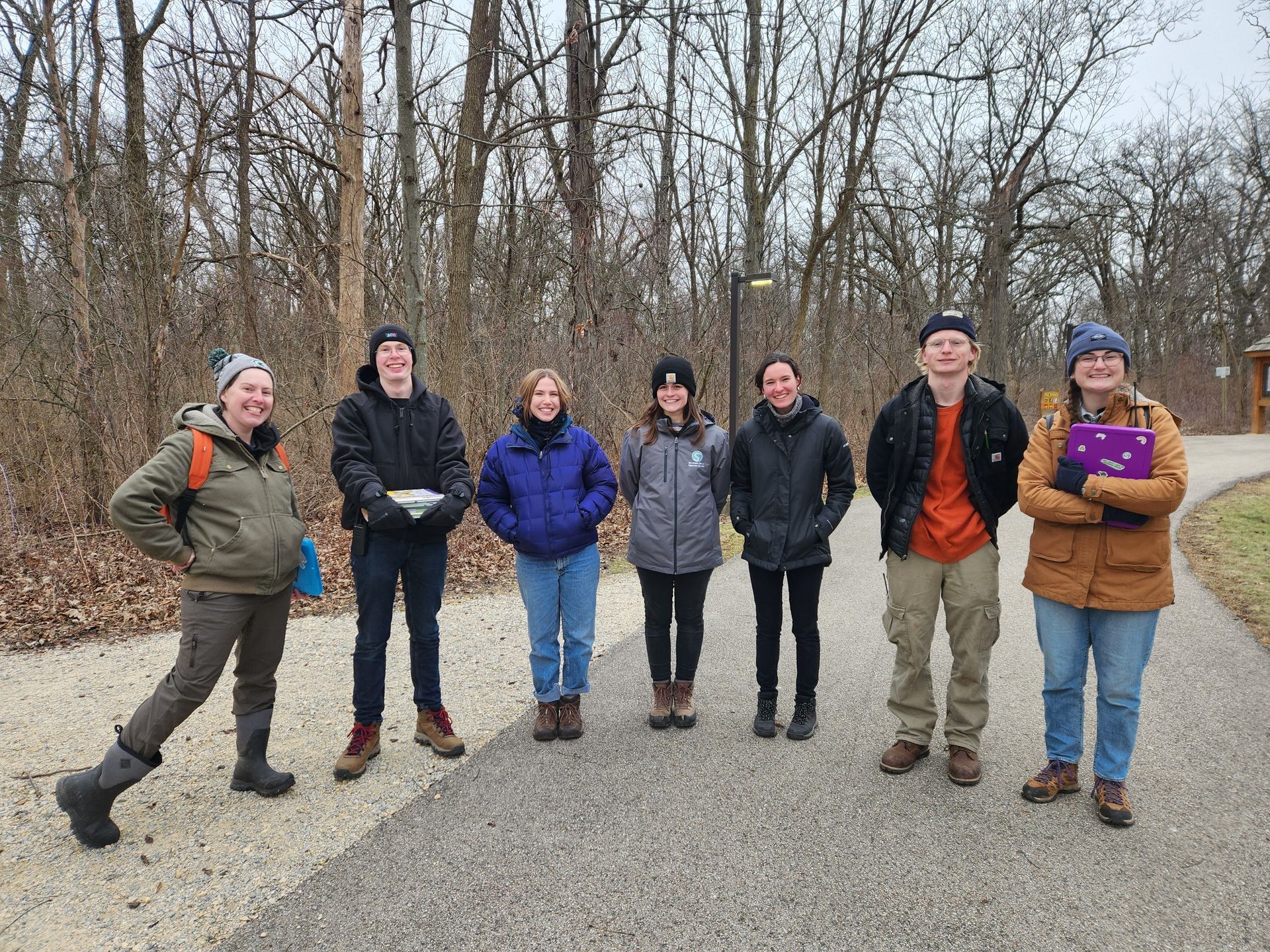
One of my goals is to become better at identifying species of plants, animals, and fungi. City Nature Challenge gave me the opportunity to fast track this goal in an all out “bio blitz” of identifying all things nature using iNaturalist. The staff also started competing to find the most bird species using Merlin Bird ID. I found 80 bird species!

RPS Camp Planning

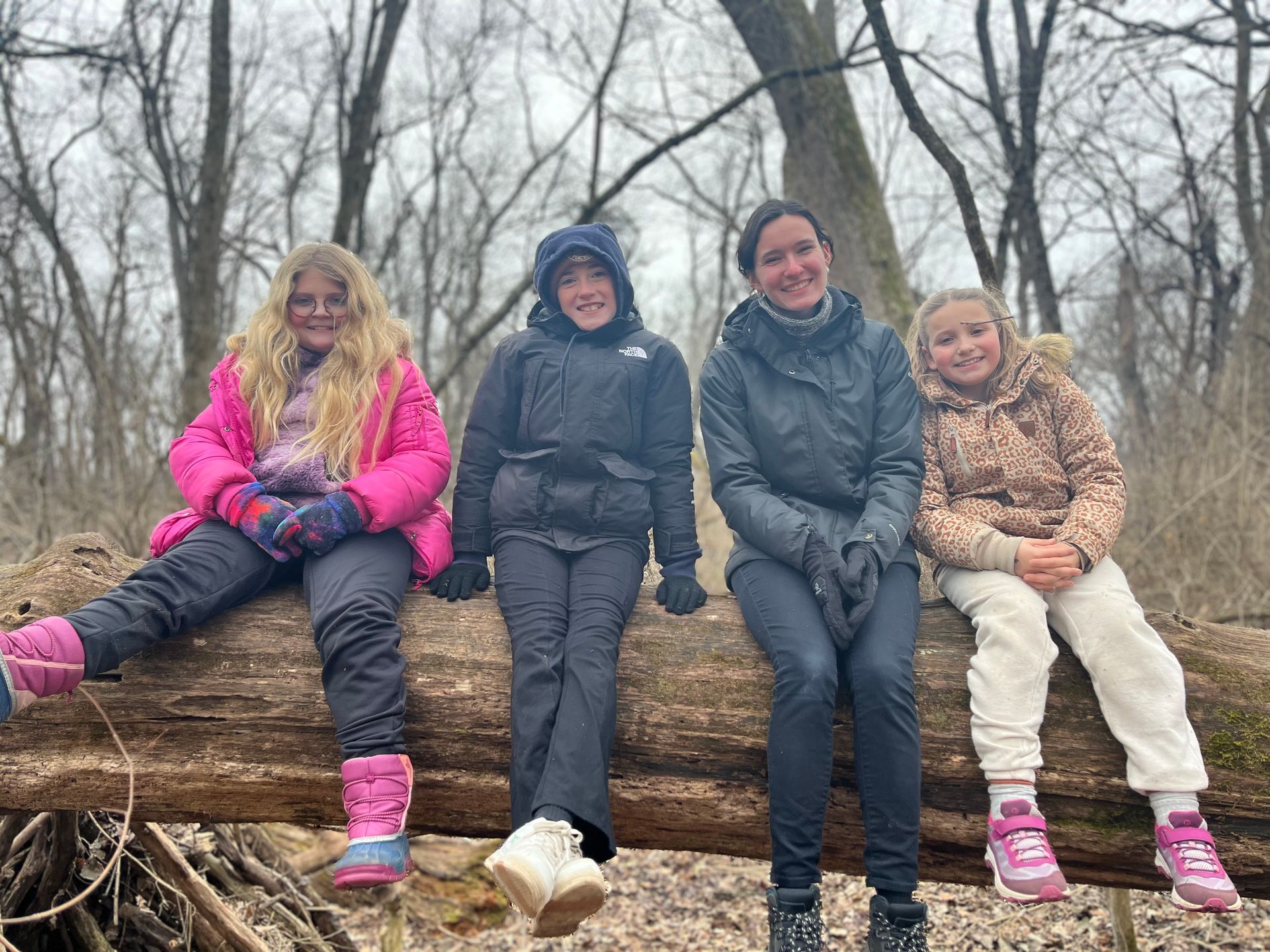
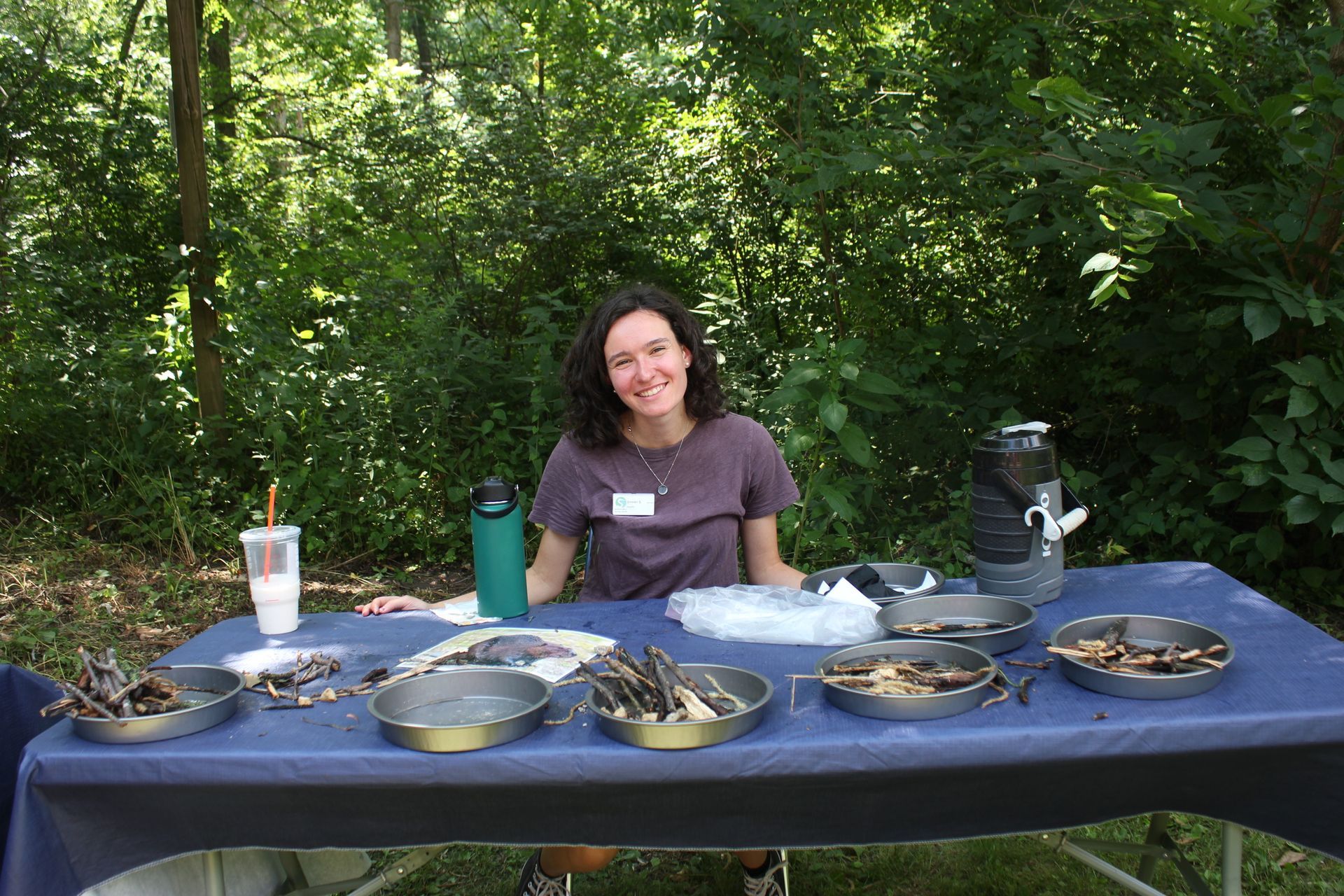
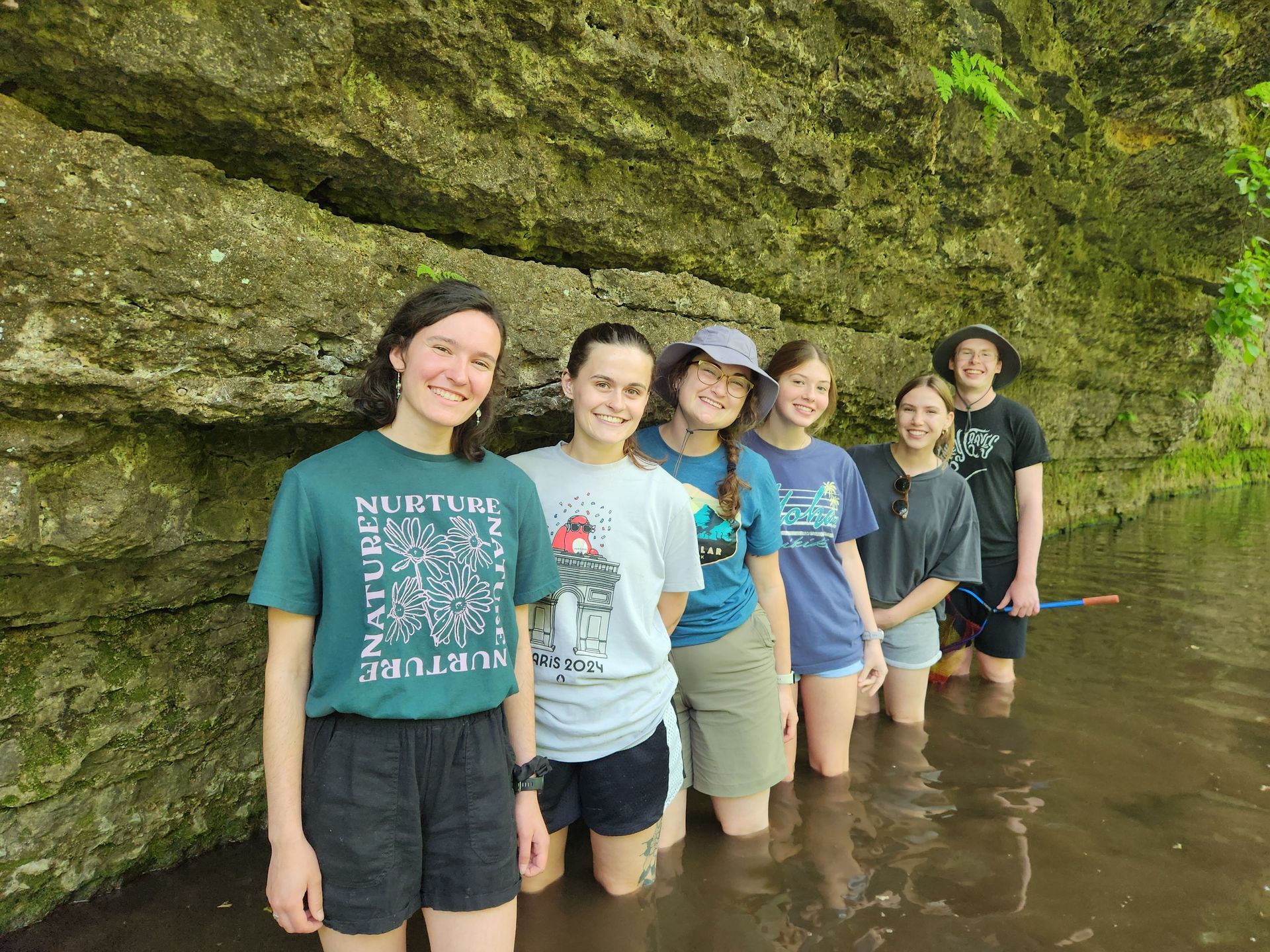
The icing on the cake of my experience was directing RPS camp with my co-worker and friend Shannon. We designed and carried out a five week summer camp that reached 100 Rockford Public School Campers! Each week we led the campers through shelter building, owl pellet dissections, creek walks, and more. We had a lot of fun getting to know the campers and watching them become more comfortable in nature.

Sydney’s Farewell...

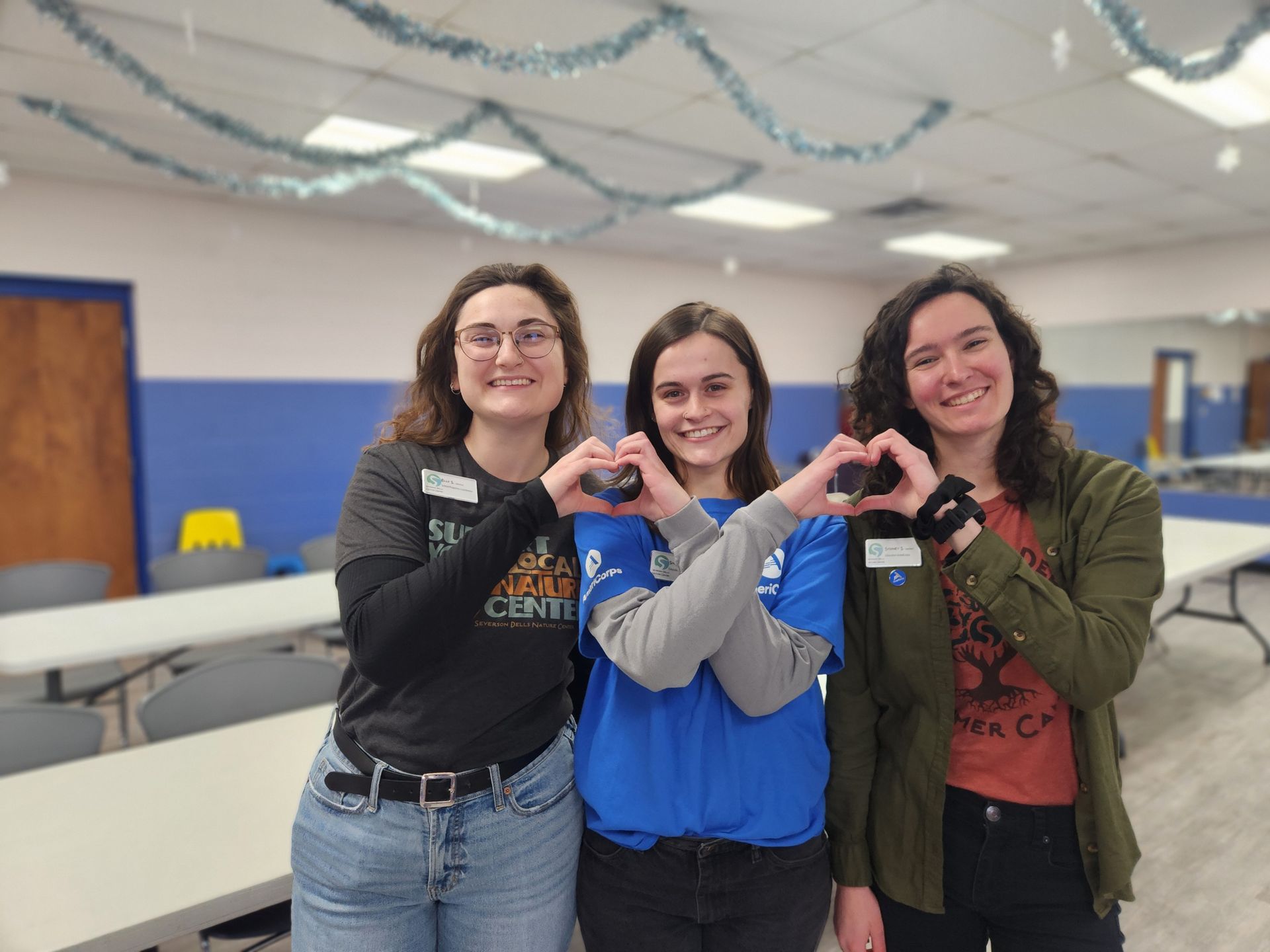
It is now time to turn the page. While I am not sure where the next step in my career will take me, like a leaf to the wind, I will take my experiences and memories from working at Severson wherever I may end up next. I dedicate my success in this position to Andrea, Elly, Liz, Ann, Laura, Becca, Linda, Emma, Shannon, Rowan, Mason, and Salem. After moving from my hometown in New York for this soul-touching work a year ago, each of you have made me feel welcome and helped me learn as an educator along the way. Thank you for making this such an amazing experience filled with potlucks, discover nature hikes, “if you can hear my voice…”, hiding taxidermy, “No, there aren’t alligators in the pond”, songs of the week, and friendship. 
  • Slide title

    Write your caption here
    Button
  • Slide title

    Write your caption here
    Button
  • Slide title

    Write your caption here
    Button
  • Slide title

    Write your caption here
    Button
  • Slide title

    Write your caption here
    Button
  • Slide title

    Write your caption here
    Button
  • Slide title

    Write your caption here
    Button
  • Slide title

    Write your caption here
    Button
  • Slide title

    Write your caption here
    Button
  • Slide title

    Write your caption here
    Button
  • Slide title

    Write your caption here
    Button
  • Slide title

    Write your caption here
    Button

RECENT ARTICLES

By Lauren Bonavia February 26, 2026
Rewilding the Former Elliot Golf Course
By Emma Zimmerman February 24, 2026
For those who may not know me, I previously spent two wonderful years here at Severson Dells working in environmental education and community science, helping our community connect with the land in meaningful ways. I am so excited to announce that I am back at the nature center for the next few months! In this role, I’ll be leading all things Science Communication, so be on the lookout for educational blogs, behind-the-scenes restoration updates, and social media posts that (hopefully) make ecology feel a little less intimidating and a lot more exciting.
By education2.americorps February 18, 2026
Have you ever looked around and wondered about grass? It may not seem like there’s much to notice about the common golf course, front lawn, sidewalk adjacent sort of grass we see everyday, but if you look below the surface there’s a whole world and history. These often monochromatic, sprawling green landscapes are planted with what is referred to as turf grass, such as Kentucky blue grass, a plant imported to the United States from Europe and North Africa. This style of lawn design was brought to the U.S. from Europe during the 1700s, where long expanses of short green grasses were associated with the manicured country estates of the wealthy and upper social classes. The popularization of this cultural import co-occurred and played a role in the development of U.S. suburban culture in the late 1800s, strengthening through the mid-20th century when it became more widely actionable for people in the middle class. Turf grass now covers app. 40 million acres across the country(an area larger than the whole of Illinois). The planting of monoculture grass areas like this, where there are long stretches of only one kind of plant, came in contrast to the landscapes that grew for millenia on the place we now call the United States. These ancient landscapes were full of biodiversity, and in many areas housed ecosystems where humans functioned as just one part of a balanced set of biological processes. In Illinois specifically, native grasslands–in this region called prairies–used to cover 21 of Illinois’ 36 million acres on their own. Prairies in Illinois formed (and the .01% that still remain still form) unique and powerful living systems. Not only do they create a safe home for many animal species to go about their lives, their root systems push through soil to notable depths, with an average length between 5-15 feet, whereas the turf grass lawns discussed above have roots not digging more than 3-4 inches into the earth. The impact of these root systems is profound, creating long pathways for water absorption, microbial and mycelial growth, and the draw down of excess carbon from the atmosphere back into the earth. One acre of restored prairie can sequester(take out of the air and store in root systems) 1 ton of carbon a year, and absorb 65% more stormwater–or water left on the ground after it rains–than turf grass. The transformation of turf grass back to prairie has profound positive impacts on surrounding ecosystems. The restoration project at Elliot golf course will provide a prime example for residents of this region to watch as the land begins to come alive with the myriad colors, animals, and landscape benefits of a prairie in just a few years. Sources: https://www.sustainablewoodstock.org/a-history-of-the-american-lawn/ https://blog.nwf.org/2024/04/why-we-have-lawns/ https://www.fs.usda.gov/r09/midewin/natural-resources/forest-management https://www.chicagobotanic.org/blog/plant-science-conservation/lowdown-prairie https://www.chicago.gov/city/en/depts/water/supp_info/conservation/green_design/natural_landscaping.html https://files.dnr.state.mn.us/assistance/nrplanning/community/roadsidesforwildlife/putdownroots_poster.pdf https://www.onlyraindownthedrain.com/kids/ https://www.nature.com/articles/s41467-024-46991-5?fromPaywallRec=false