Microscopic Nature at Severson Dells
When people think of nature and animals, our brains typically go to the big things we can see: mammals, birds, trees, plants. But what if we shrunk
way down and looked a little (or a lot) closer?
What you will find is a world teeming with life, just like our own. A ‘soil biological community’ refers to all living things found in our soils. For the sake of this blog, we will break that down into 2 groups: macrofauna (bigger small things) and microorganisms (smaller small things). The different members of this community collectively improve soil health through processes like decontamination of pollutants and remediation, biological defense from pests and disease, soil aggregation or modification of soil structure, decomposition, elemental cycling, nutrient availability and mineralization, biofertilization, water filtration, gas exchange, carbon sequestration, and food web participation.
Soil macrofauna are things that we
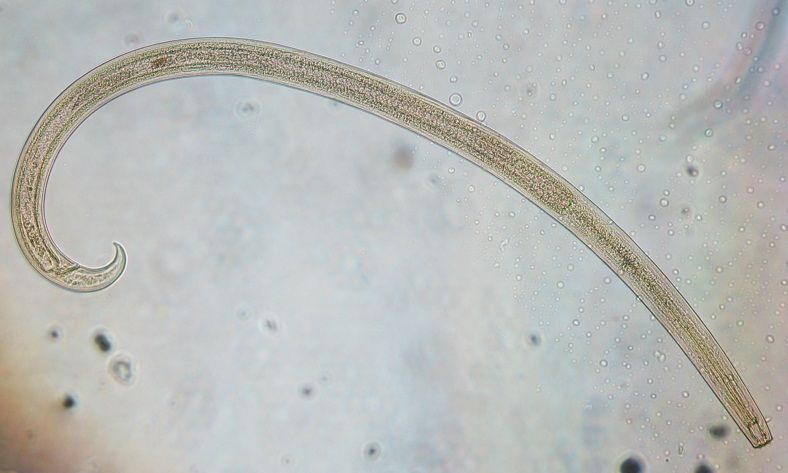
may be able to see with our eyes under the right conditions, such as earthworms, beetles, mites, springtails, spiders, as well as nematodes, and other microinvertebrates. Imagine what you might see when you flip over a rock.
Even teenier are
microorganisms, or
microbes: living beings that are too small for us to see with our naked eye. These include all sorts of funky things - such as protists, viruses, archaea, bacteria, and fungi. It is estimated that in 1 teaspoon of soil - specifically in highly productive soil like topsoil or around plant roots - you can find billions of microorganisms. This estimate is even considered to be low because we have only discovered a small window into this complex microscopic realm. These organisms live on nearly every surface in the world, including humans!
It’s a party! Humans have important ‘roommates’ that live primarily on our skin and in our stomachs. These organisms have very special jobs that keep our skin healthy and safe from bad germs, as well as help us digest our food by breaking it down further. Now, this may sound a little bizarre, but these guys have an important role in keeping us healthy and are necessary to keep around. The bacteria, fungi and other beings on our skin are referred to as our
microbiota,
and together they make up our
microbiome. Sometimes microscopic organisms cohabitating with humans
can make us sick. These include pathogenic parasites, viruses and bacteria - so remember to wash your hands well! Some can make plants and animals sick, too.
Each of these unique organisms has a unique role, and this can change drastically based on different conditions like temperature, moisture, pH, oxygen levels, nutrient availability, salinity , and soil texture. The types and relative amounts of different soil microbes can be a helpful indicator of soil condition and overall health.
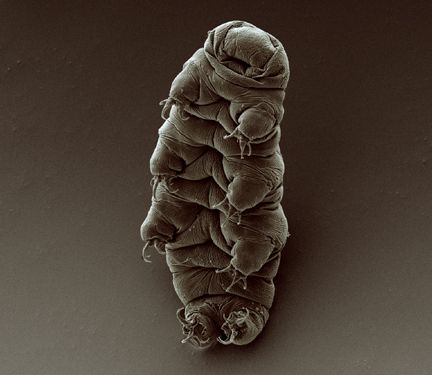
Tardigrades
Nematodes
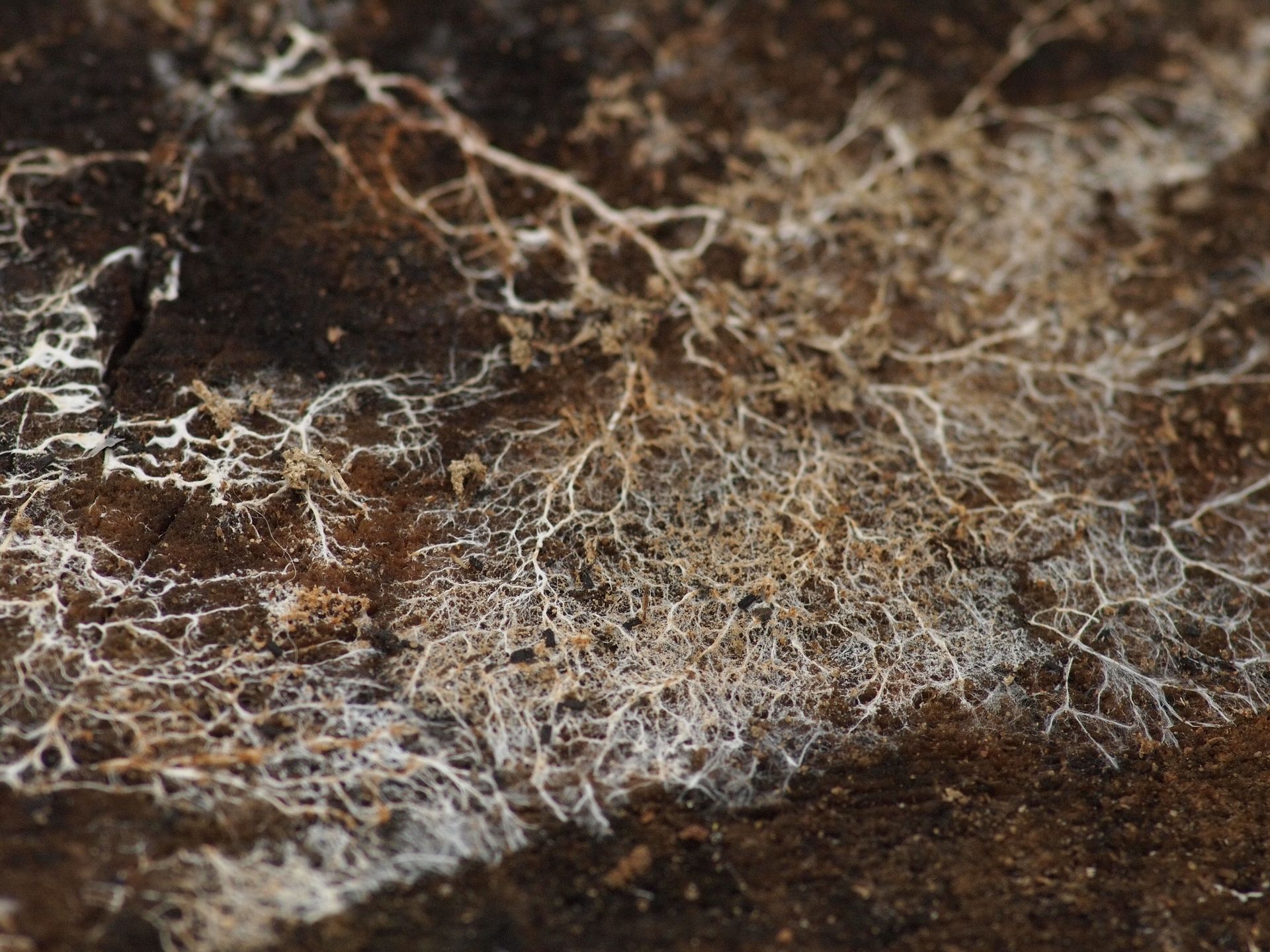
Fungi & Mycorrhiza
When most people think of mushrooms, they picture the classic stem and cap, or what makes up the ‘fruiting body’ of fungi. But do you know what’s happening beneath the surface? Underground, fungi have root-like strands called hyphae and mycelium that form a mutually beneficial (symbiotic) relationship with the plant and tree roots around them. This is collectively called a mycorrhizal network, and this helps plants and fungi to share resources like nutrients and water. In that same teaspoon of healthy soil we were talking about earlier, it is estimated there are
hundreds of yards or
even miles of mycelium present. There is ongoing research into this network and its ability to help plants communicate with each other about disease, pests, and drought.
Not only does mycorrhiza help plants and fungi to share resources, but it improves soil health through aggregation of soil particles in its hyphal netting and the production of a glue-like substance called
glomalin. Fungi are important decomposers of wood and other organic materials aiding in nutrient cycling and availability. Fungi encompasses a broad group of organisms like yeasts and molds that reproduce via microscopic spores.
Fun fact! The
Illinois state microbeis
Penicillium rubens, the species of mold that produces the antibiotic penicillin. It was found by Mary Hunt growing on a moldy cantaloupe in Peoria in 1928.
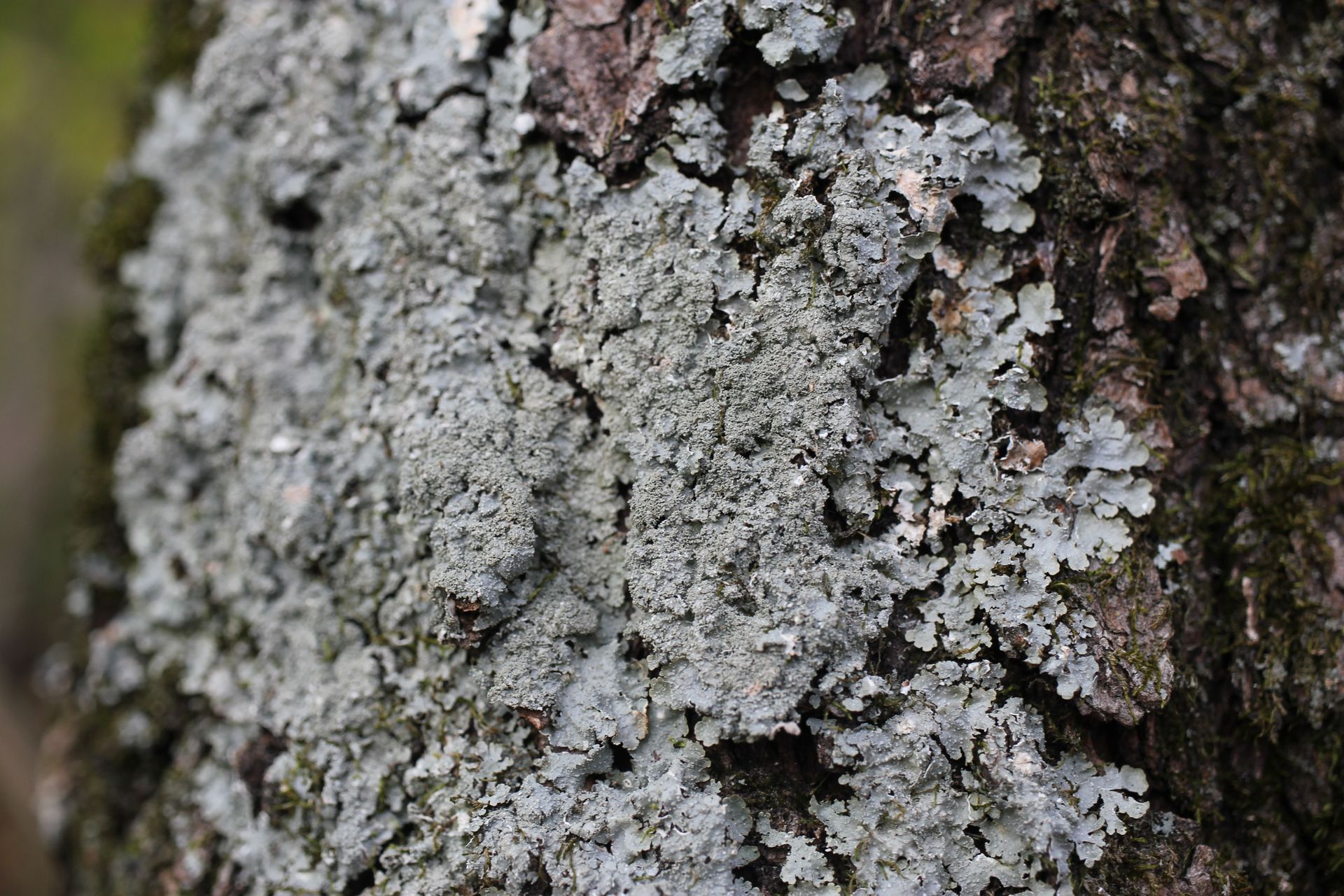
Moss & Lichen
To us, moss and lichen probably seem pretty small - after all most of them are. However, they make up a complex ecosystem of microbial life that resembles our familiar tree-filled forests and the wildlife inhabiting them. Mosses are functionally simplifiedplants, with roots and leaves, but lack some key parts that true vascular plants have, like the xylem and phloem. Still, they effectively regulate ‘surface microclimates’ - influencing soil temperature and moisture to support other life and improve soil health by ingesting water from the atmosphere. Mosses also aid in soil stability by reducing bare and exposed soil.
To compound their microscopic nature, mosses reproduce via spores so small that scientists measure them in nanometers and must view them under microscopes. These tiny particles, depending on the species of moss, can be released
by the millions!
Take aways?
An abundance of microscopic organisms and unique lifeforms call Severson Dells home - from our pond, to the soil under our forest, to the rich prairie earth. Thriving ecosystems contain a myriad of life that promote plant growth, nutrient cycling, soil stability, and carbon storage, which in turn improves the overall health of the planet. These critically important creatures live right below our noses, and often go unnoticed and un-thought of, but all forms of life depend on the services they provide and scientists are learning more about them every day.
Healthy soils benefit everyone!