FIELD NOTES BLOG

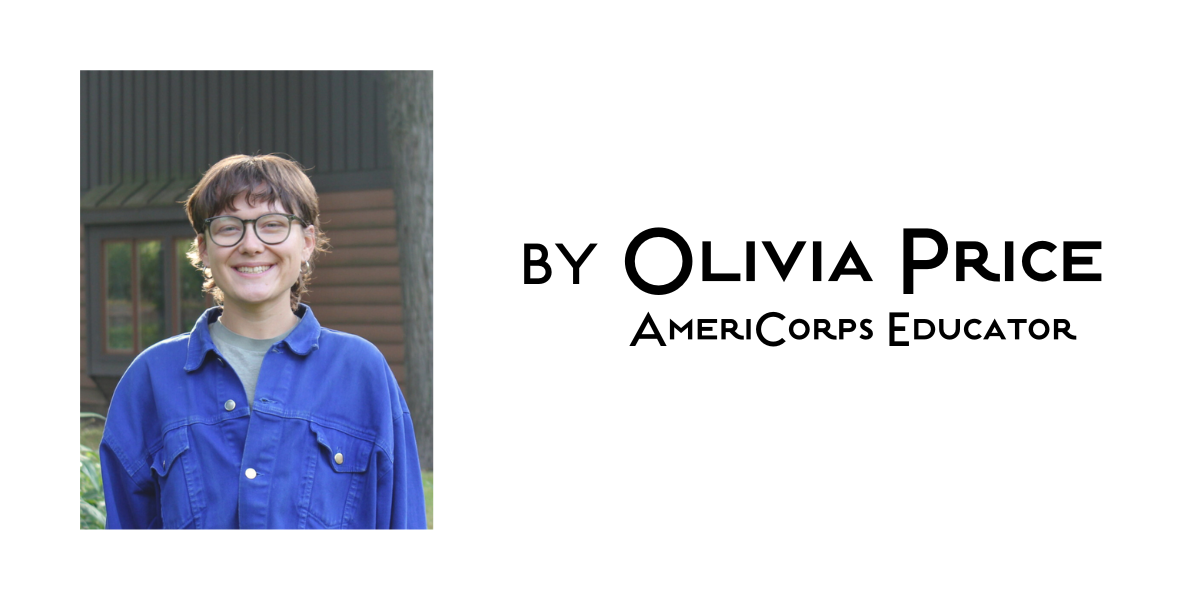
Meet Olivia

education2.americorps
October 17, 2025

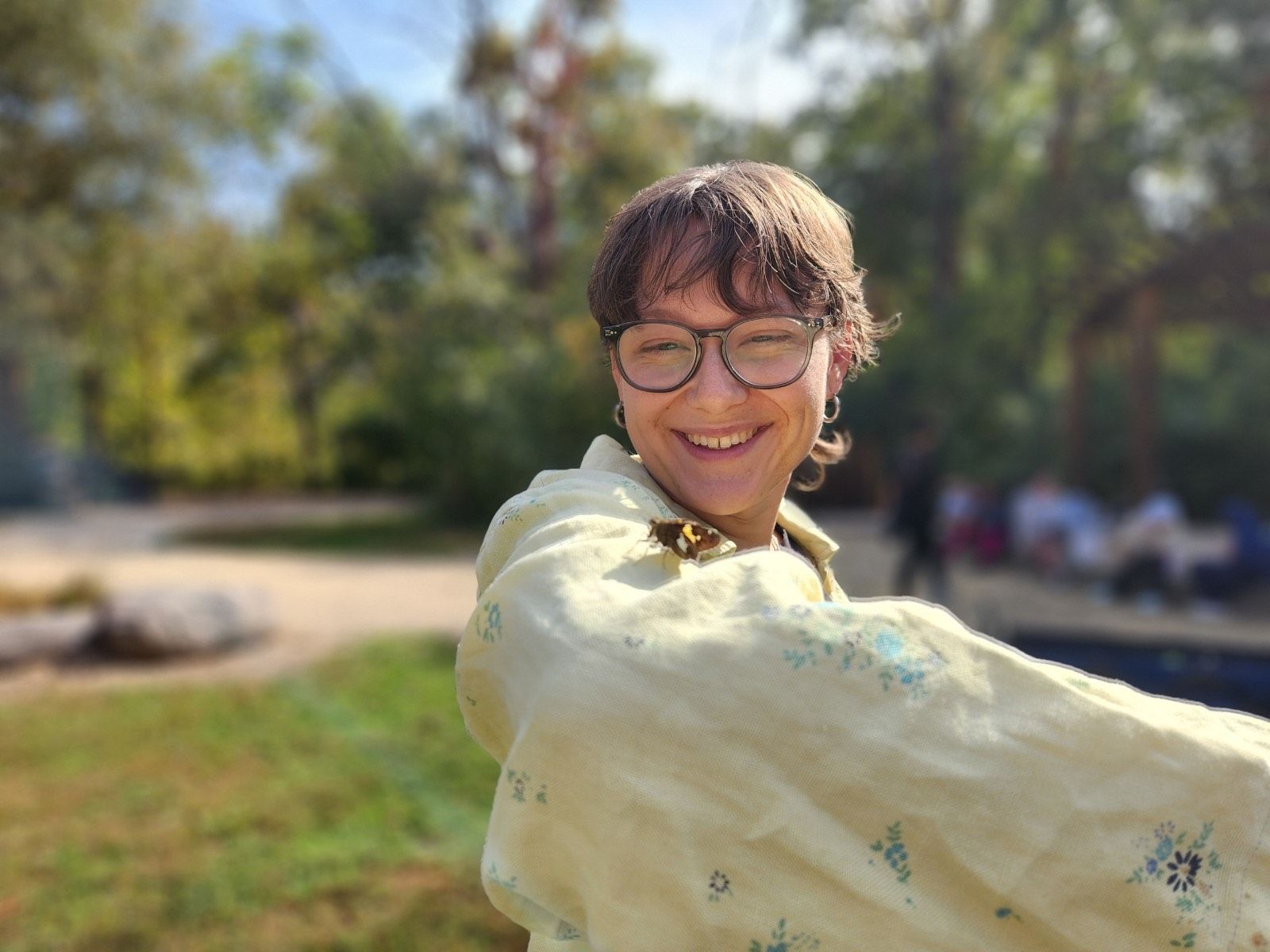
Hello! My name is Olivia and I am one of the new Americorp Environmental Education Members. I am so excited to get to spend the year in Severson’s beautiful prairie and forest ecosystems. Growing up along the Kansas and Missouri stateline, the hilly forests of Missouri and the rolling prairies of Kansas were never too far away–so I am happy to be here!


I have spent the last seven years living in dense, urban environments–six years in Chicago where I went to North Park University and worked for two years, and one year in Madrid, Spain where I assistant taught English last year. Although I love and have a passion for integrating natural areas with the built environments of cities, I feel so honored to get to spend time in and to know such a large and beloved pocket of thriving ecosystems here at Severson! 


I have a deep love for nature, and am so excited to support the community members who visit Severson Dells as they connect with the unique plants, wildlife, and landscapes found on this land. 


Outside of my time at the nature center, I love to read, run, and travel, and next year will begin a Masters of Architecture program. I am always down to chat about those things and also to receive any recommendations for places to visit in the Rockford area. Looking forward to meeting you!

RECENT ARTICLES
By Emma Zimmerman June 4, 2026
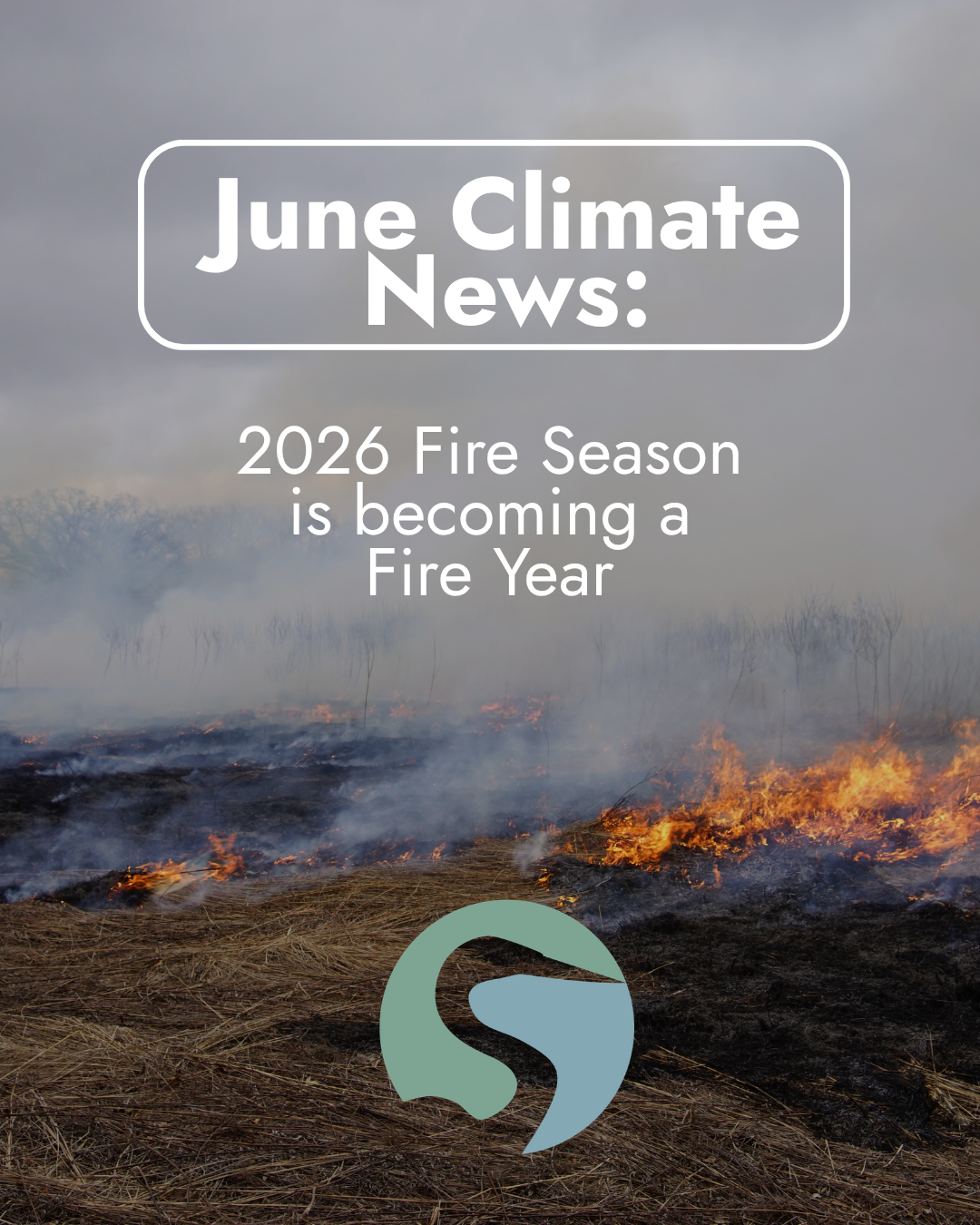
Experts are warning that 2026 may bring a record wildfire season to the United States, so severe that many researchers and fire agencies are no longer calling it a “fire season” at all. We are off to such a start that experts are now referring to it as a fire year. Traditionally, the wildfire season in the United States peaks between May and October, but we have seen many fires throughout the southern and western United States already this spring. Most major fires occur in western states. However, impacts from wildfires can be felt across the entire country, including here in northern Illinois. Wildfire smoke can travel hundreds or even thousands of miles, affecting our air quality here in Rockford. Maybe you recall the hazy skies and dangerous air quality alerts from the last few summers caused by fires burning far away in Canada. Unfortunately, these days are not going away, and if anything, we should expect more of them in the future. So why is this year a “fire year”, and why are experts concerned? Let’s dig into it.
By Olivia Price May 28, 2026
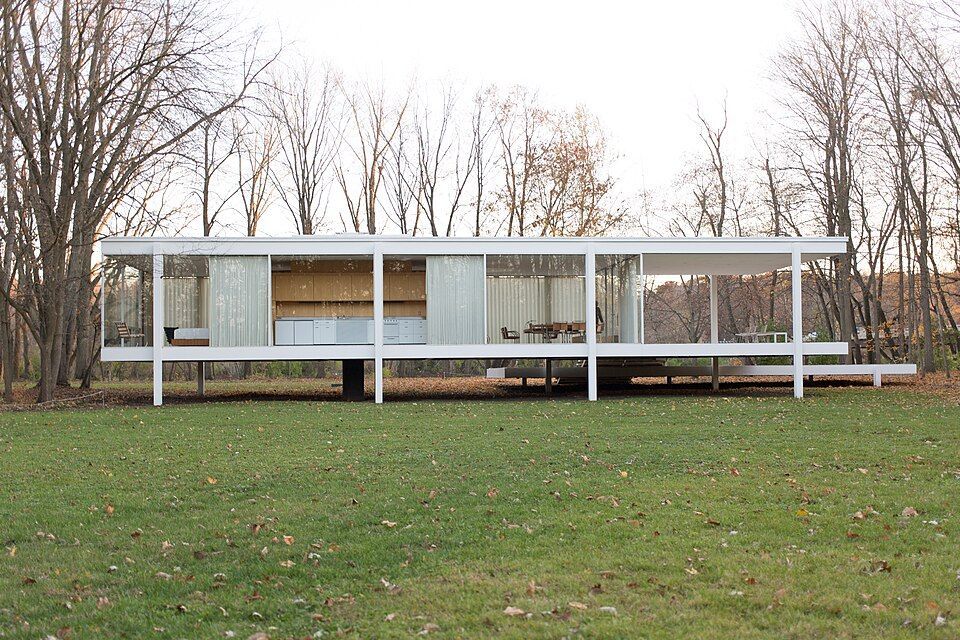
Nature and Architecture in Northeastern Illinois
By Emma Zimmerman May 19, 2026
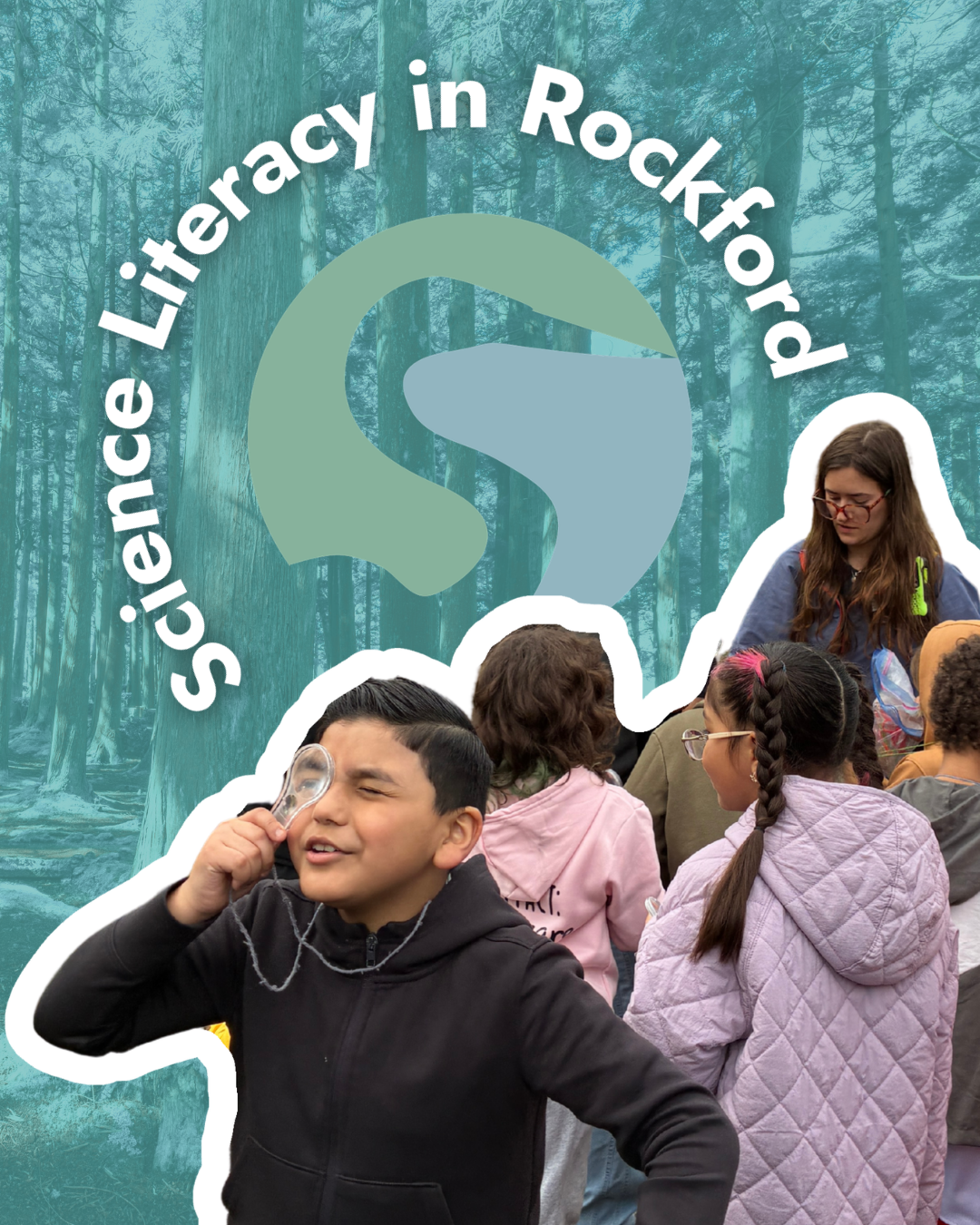
Science literacy may not be a term you hear every day, but it is something that shapes your life and the community around you in more ways than you might realize. Science literacy is the ability to understand, evaluate, and apply scientific concepts to make informed decisions regarding the world around us. Science is intertwined in nearly every part of our lives, but it can still feel intimidating and inaccessible at times, and that is largely because our society has a science literacy gap . Science can be complicated and challenging to understand, and this feeling is more common than we often admit. By making science more accessible through environmental education, we work to break down these barriers and build a more scientifically literate society. A scientifically literate society is a resilient society that is better prepared to solve climate problems, advocate for change, and build a more sustainable future.