FIELD NOTES BLOG

How are you celebrating National Estate Planning Awareness Week (October 21-27)

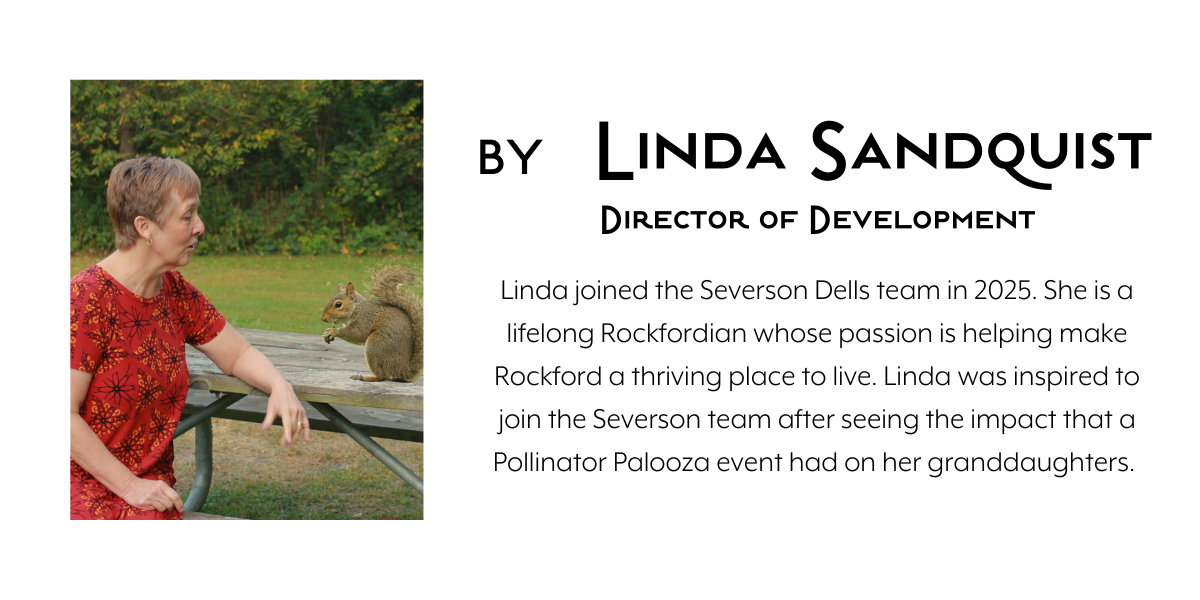
Linda Sandquist
October 9, 2025

October – a month that starts with changing colors, apple orchards, and pumpkin spice and ends with candy and costumes on Halloween. In between we have the opportunity to observe National Estate Planning Awareness Week. Created in 2008 by an act of Congress and observed every year during the third week of October, the week is a reminder that we all need to prepare for the inevitable. 


If you’re like two-thirds of Americans, you lack a will or estate plan and the protective measures needed to safeguard your assets, future healthcare decisions or management of your finances. While it’s no fun to think about preparing for what might happen, the peace of mind you’ll experience when you are prepared is well worth the effort.


Take time during the week of October 21 – 27 to start making your plans. Consider these things:

  • Who do you want to receive your assets?
  • Who do you want to act as your executor?
  • Who should receive your sentimental items?
  • Who will look after your children or pets?
  • Who is going to make your healthcare and financial decisions if you can’t?


Next reach out to a trusted professional. Planning doesn’t have to be expensive and there are many on-line resources that can help you. 


We at Severson Dells Nature Center encourage you to think about how you want to leave a legacy. Are there causes you care about today that will still need your financial assistance tomorrow? Whether you support nature education at Severson Dells or another cause close to your heart, use your will or estate plan to help them when you’re no longer here. 


If you love what Severson Dells Nature Center does, consider joining our Heritage Society. This group is made up of folks who have included the nature center in their long-term financial plans. By connecting with them now, we make sure their wishes will be fulfilled and honored when the time comes. And the generosity of Heritage Society members serves as an inspiration to others who care about our mission of connecting people to nature and growing the future stewards of our environment. 


Contact me with questions about supporting Severson Dells today, tomorrow and far into the future. And Happy National Estate Planning Awareness Week!

RECENT ARTICLES
By Lauren Bonavia February 26, 2026
Rewilding the Former Elliot Golf Course
By Emma Zimmerman February 24, 2026
For those who may not know me, I previously spent two wonderful years here at Severson Dells working in environmental education and community science, helping our community connect with the land in meaningful ways. I am so excited to announce that I am back at the nature center for the next few months! In this role, I’ll be leading all things Science Communication, so be on the lookout for educational blogs, behind-the-scenes restoration updates, and social media posts that (hopefully) make ecology feel a little less intimidating and a lot more exciting.
By education2.americorps February 18, 2026
Have you ever looked around and wondered about grass? It may not seem like there’s much to notice about the common golf course, front lawn, sidewalk adjacent sort of grass we see everyday, but if you look below the surface there’s a whole world and history. These often monochromatic, sprawling green landscapes are planted with what is referred to as turf grass, such as Kentucky blue grass, a plant imported to the United States from Europe and North Africa. This style of lawn design was brought to the U.S. from Europe during the 1700s, where long expanses of short green grasses were associated with the manicured country estates of the wealthy and upper social classes. The popularization of this cultural import co-occurred and played a role in the development of U.S. suburban culture in the late 1800s, strengthening through the mid-20th century when it became more widely actionable for people in the middle class. Turf grass now covers app. 40 million acres across the country(an area larger than the whole of Illinois). The planting of monoculture grass areas like this, where there are long stretches of only one kind of plant, came in contrast to the landscapes that grew for millenia on the place we now call the United States. These ancient landscapes were full of biodiversity, and in many areas housed ecosystems where humans functioned as just one part of a balanced set of biological processes. In Illinois specifically, native grasslands–in this region called prairies–used to cover 21 of Illinois’ 36 million acres on their own. Prairies in Illinois formed (and the .01% that still remain still form) unique and powerful living systems. Not only do they create a safe home for many animal species to go about their lives, their root systems push through soil to notable depths, with an average length between 5-15 feet, whereas the turf grass lawns discussed above have roots not digging more than 3-4 inches into the earth. The impact of these root systems is profound, creating long pathways for water absorption, microbial and mycelial growth, and the draw down of excess carbon from the atmosphere back into the earth. One acre of restored prairie can sequester(take out of the air and store in root systems) 1 ton of carbon a year, and absorb 65% more stormwater–or water left on the ground after it rains–than turf grass. The transformation of turf grass back to prairie has profound positive impacts on surrounding ecosystems. The restoration project at Elliot golf course will provide a prime example for residents of this region to watch as the land begins to come alive with the myriad colors, animals, and landscape benefits of a prairie in just a few years. Sources: https://www.sustainablewoodstock.org/a-history-of-the-american-lawn/ https://blog.nwf.org/2024/04/why-we-have-lawns/ https://www.fs.usda.gov/r09/midewin/natural-resources/forest-management https://www.chicagobotanic.org/blog/plant-science-conservation/lowdown-prairie https://www.chicago.gov/city/en/depts/water/supp_info/conservation/green_design/natural_landscaping.html https://files.dnr.state.mn.us/assistance/nrplanning/community/roadsidesforwildlife/putdownroots_poster.pdf https://www.onlyraindownthedrain.com/kids/ https://www.nature.com/articles/s41467-024-46991-5?fromPaywallRec=false