FIELD NOTES BLOG
Cold Stratification: Prairie Plant Strategy to Success
What Are Plants Doing During the Winter Months?

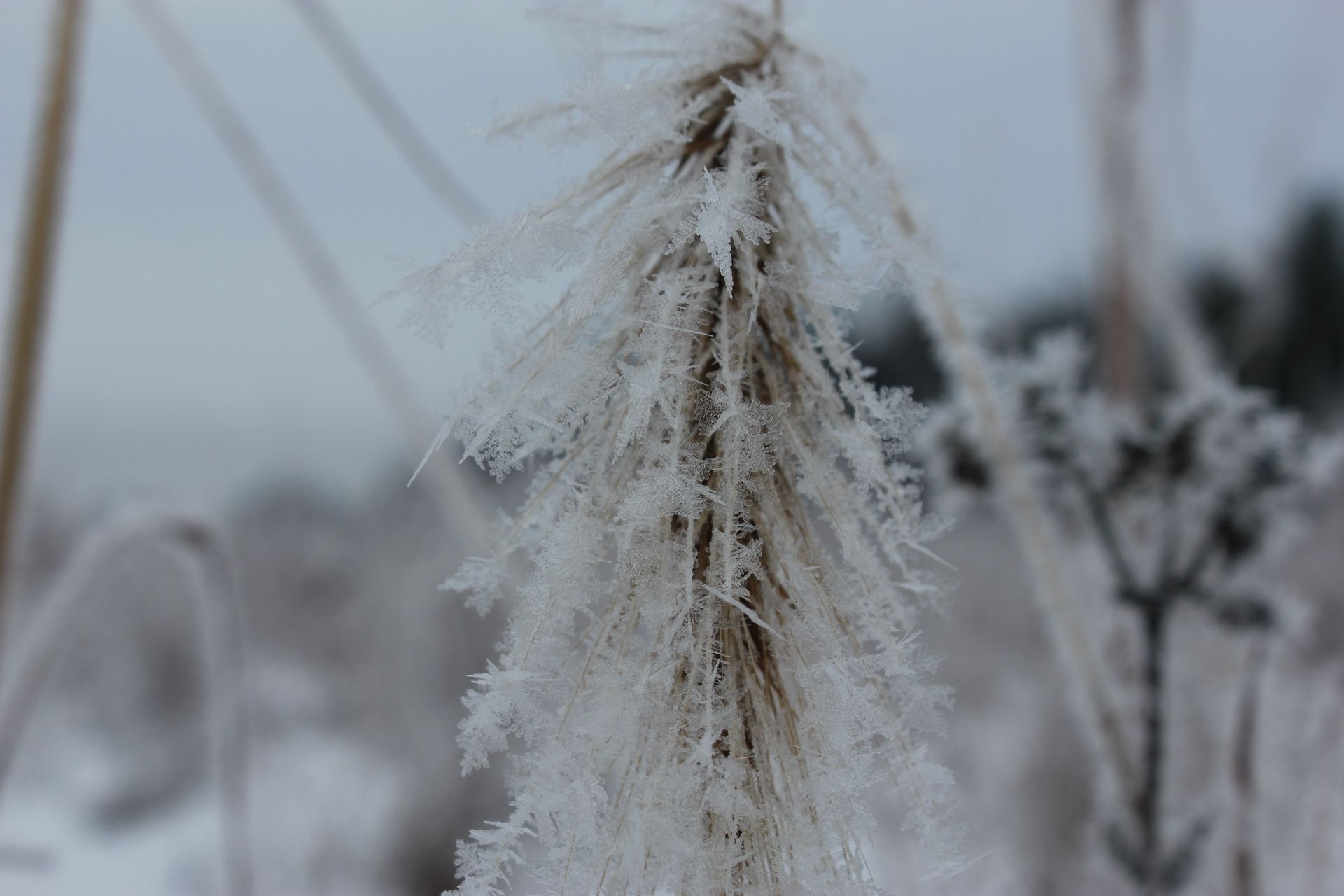
As we move into February, it is becoming easier to see Spring on the horizon. For some of us, ideas of blooming flowers and growing plants are getting us through these darker months. However, these plants are still focusing on surviving this cold, brutal winter, and the way they do so is absolutely fascinating.
Before these plants begin to bloom, they’re often in seed form waiting for the right time to trigger growth. Many seeds native to Illinois prairies have adapted to only germinate when their environment reaches a certain temperature. Cold temperatures often trigger germination (the process in which a plant begins to emerge from its seed) and this process can last a few days or take several months. This entire process is known as cold stratification. If you enjoy shopping for seed packets for your garden, you may have noticed that some packet instructions suggest you plant the seed contents in the fall to bloom the following year. Now you know that these plants need cold stratification to be successful. If you miss the fall deadline, don’t worry! You can help your seeds along by simulating cold stratification by placing seeds in a cold place (like the fridge) to help them begin germination. Learn more about simulating cold stratification here: https://extension.illinois.edu/blogs/good-growing/2022-01-27-seed-stratification-what-seeds-require-cold-treatment
The prairie at our new location will depend on cold stratification as we further our restoration. We’ve already begun seeding the section of prairie that is to bloom this spring. For this process, it is important that we started seeding early because if the seeds miss their cold stratification deadline, they’re much more likely to get outgrown by woody plants, grasses, and invasive species. By spreading these seeds in the winter, we can give the plants an advantage and have greater success restoring the prairie. Learn more about this project at https://www.seversondells.org/growing
Resources
Prairie Moon Nursery
https://www.prairiemoon.com/how-to-germinate-native-seeds.html
Illinois Extension https://publish.illinois.edu/tallgrass-prairie/prairie-restoration/
RECENT ARTICLES