Welcome to our Field Notes Blog! Here you will find local environmental and natural science news for our northern Illinois region and beyond.
Field Notes Blog
Experts are warning that 2026 may bring a record wildfire season to the United States, so severe that many researchers and fire agencies are no longer calling it a “fire season” at all. We are off to such a start that experts are now referring to it as a fire year. Traditionally, the wildfire season in the United States peaks between May and October, but we have seen many fires throughout the southern and western United States already this spring. Most major fires occur in western states. However, impacts from wildfires can be felt across the entire country, including here in northern Illinois. Wildfire smoke can travel hundreds or even thousands of miles, affecting our air quality here in Rockford. Maybe you recall the hazy skies and dangerous air quality alerts from the last few summers caused by fires burning far away in Canada. Unfortunately, these days are not going away, and if anything, we should expect more of them in the future. So why is this year a “fire year”, and why are experts concerned? Let’s dig into it.
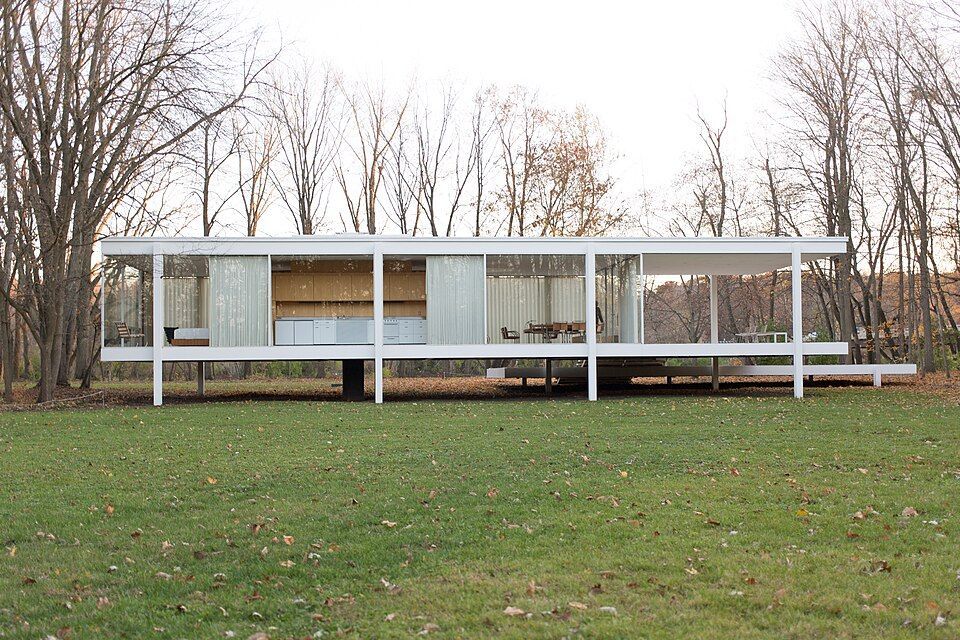
Nature and Architecture in Northeastern Illinois
Science literacy may not be a term you hear every day, but it is something that shapes your life and the community around you in more ways than you might realize. Science literacy is the ability to understand, evaluate, and apply scientific concepts to make informed decisions regarding the world around us. Science is intertwined in nearly every part of our lives, but it can still feel intimidating and inaccessible at times, and that is largely because our society has a science literacy gap . Science can be complicated and challenging to understand, and this feeling is more common than we often admit. By making science more accessible through environmental education, we work to break down these barriers and build a more scientifically literate society. A scientifically literate society is a resilient society that is better prepared to solve climate problems, advocate for change, and build a more sustainable future.
If March felt unusually warm where you live this year, you weren’t imagining it. March 2026 wasn’t just the warmest March on record in the United States; it was the most abnormally warm month ever recorded in the lower 48 states, according to National Oceanic and Atmospheric Administration data . That means no other month in our recorded history has ever been this far above average. On average, temperatures across the country reached approximately 50.85°F, which is 9.35°F above what’s considered normal for March based on 20th-century data. What is even more concerning is that the entire year leading up to it, from April 2025 through March 2026, was the warmest 12-month period ever recorded in the continental United States. This news should be sounding alarms everywhere.
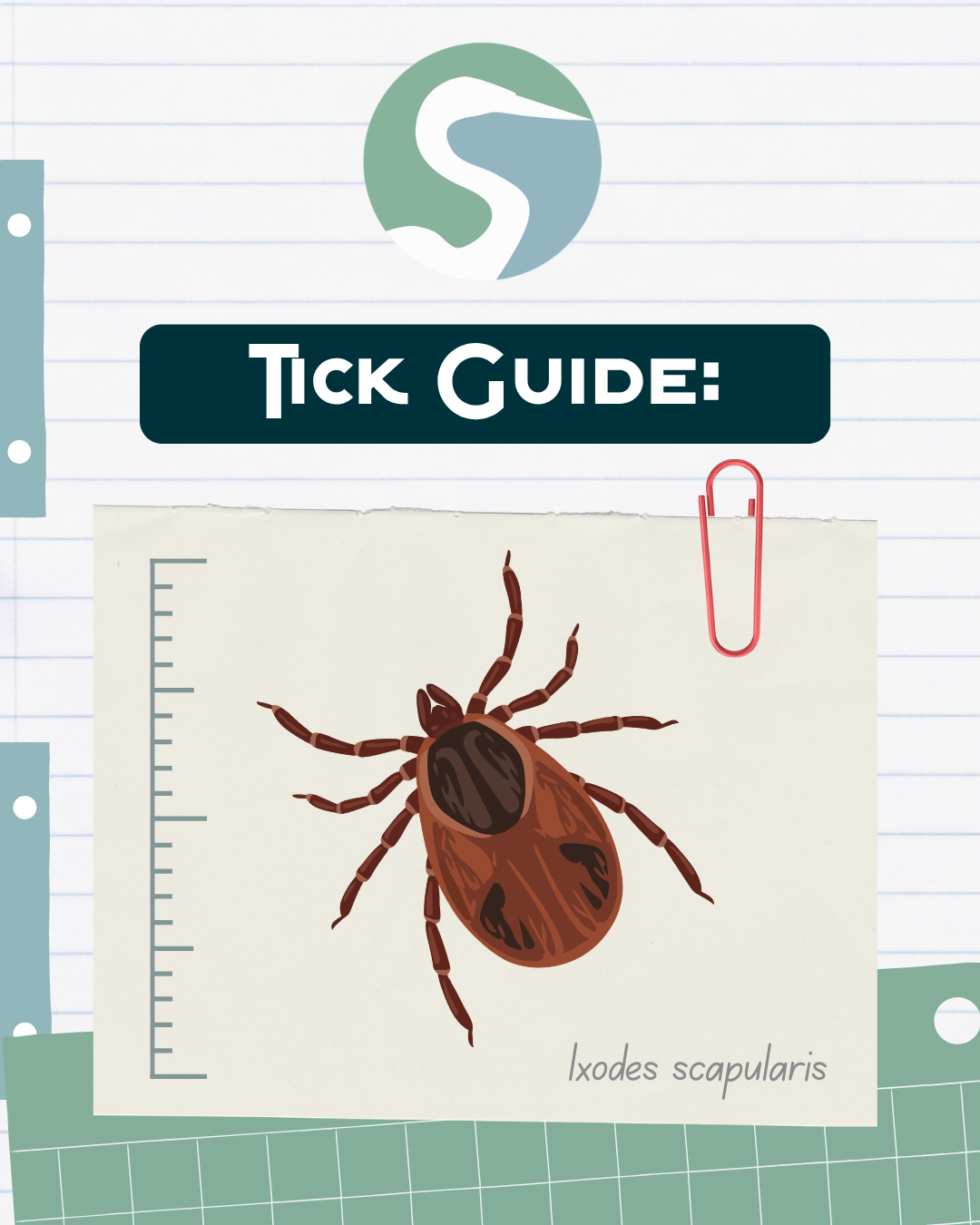
As the weather warms and we spend more time outdoors, so do our other far from welcome companions: ticks! Over the past few decades, tick populations and their geographic range have expanded in northern Illinois. We’re now encountering more ticks than before, and a greater number of them carry diseases. This isn’t a reason to avoid going outside, but it is something we should all be aware of and prepared for as we inevitably encounter them this summer. Consider this your guide to staying safe during tick season.
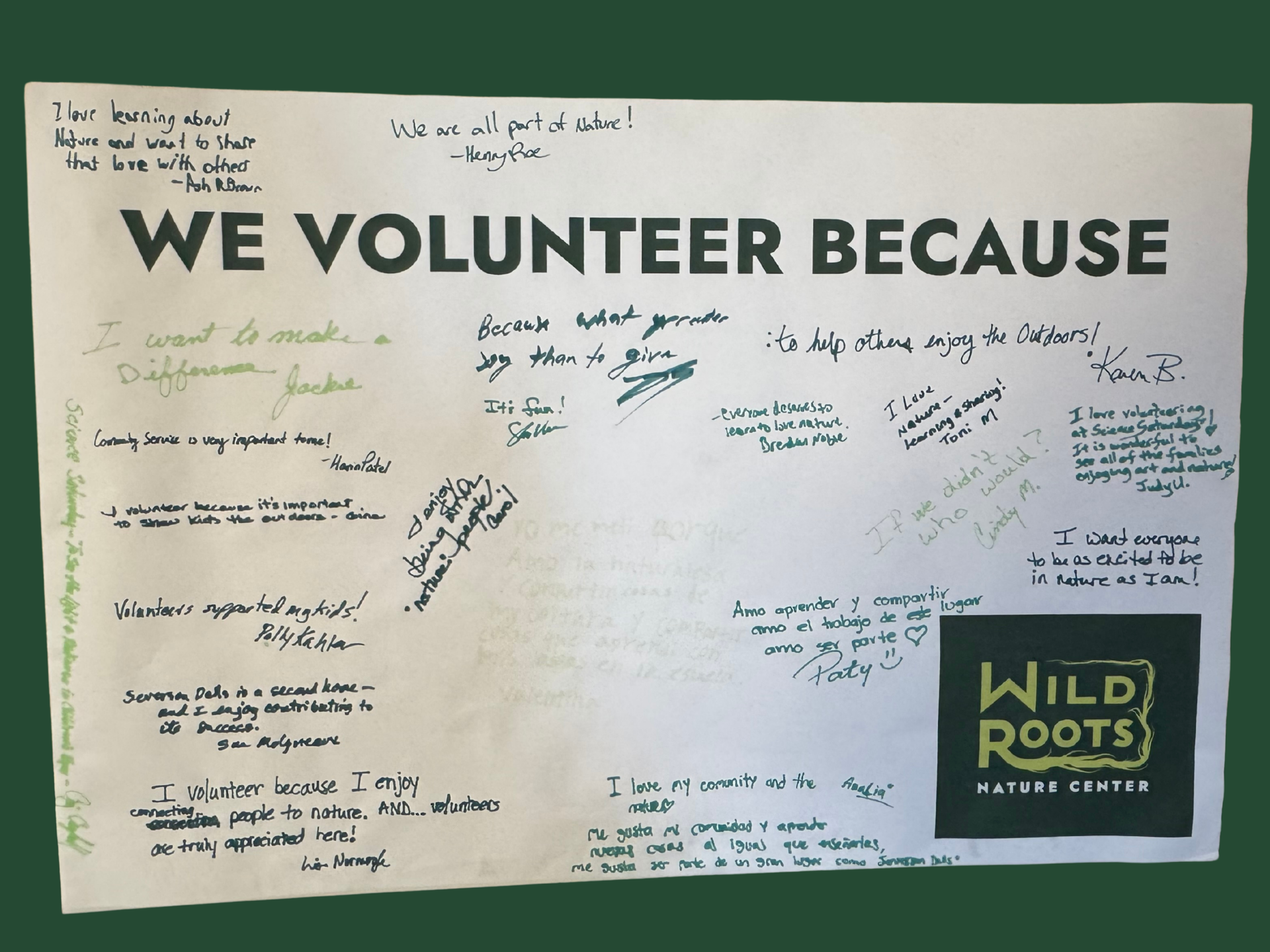
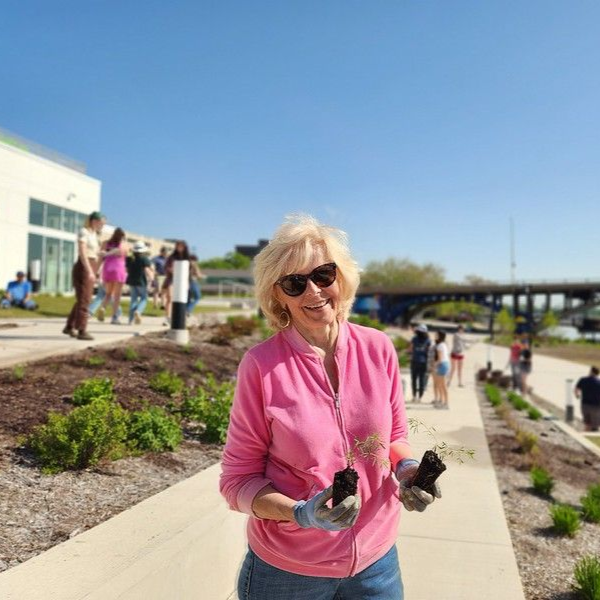
As our organization’s Director of Development, I have the pleasure of presenting opportunities to people to invest their time, treasure, and talent in the work we do. I ask people to invest their financial gifts to keep our operations going and I’ll soon be asking people to help fund the renovation of the former clubhouse at Prairie’s Edge into Wild Roots Nature Center. I ask people for their talent when I consult members of our board of directors on investment matters, legal questions, and networking opportunities. But the best ask is when my colleagues and I ask people to give up their time to help Severson Dells (soon to be Wild Roots Nature Center ) provide hands-on, science-based nature education. We simply cannot operate without our volunteers ! Imagine a school field trip without the smiling adult faces who help kids howl like coyotes, touch a toad, or smell wildflowers for the first time. Our Science Saturday Hosts bring science to life at our activity stations and engage intergenerational visitors with fun and intriguing STEM education. Our Conservation Crew volunteers get their hands dirty when they pull up and destroy invasive species, collect prairie seeds, and install native plant gardens in the community. It’s my pleasure to wrap up the month of April with a big thank you to all the people who volunteer for Severson Dells Nature Center. You are special people and deserve to be recognized. I would be remiss if I didn’t ask anyone reading this to consider volunteering here with us . I promise we will welcome you with open arms and you will feel connected to other like-minded people and a very special place. You’ll make a difference in your life and in the lives of others. And that’s my lowdown.
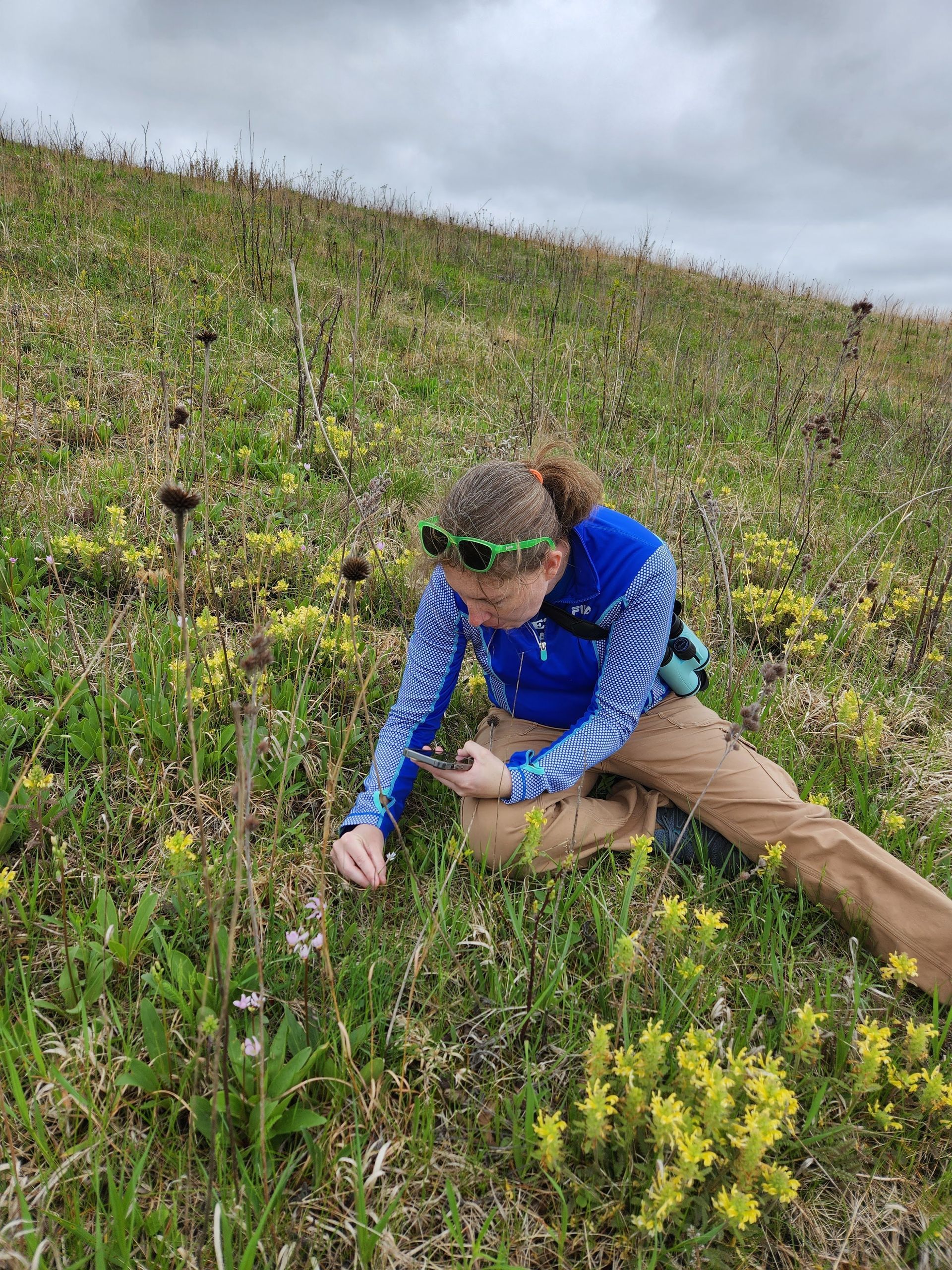
City Nature Challenge is Friday, April 24th- Monday, April 27th As spring becomes in full bloom, every naturalist's favorite time of the year returns: City Nature Challenge! City Nature Challenge is an annual, global, 4-day bioblitz at the end of April, where cities compete and collaborate to document plants and wildlife in and around cities throughout the world and help fight biodiversity loss! Every observation you make of WILD nature is a data point that helps scientists and researchers understand and protect nature for all of us. This event first began in 2016 as a friendly competition between Los Angeles and San Francisco, with the goal of engaging residents and visitors in documenting nature to better understand urban biodiversity. Since then, it has turned into a worldwide competition that over 100,000 people participate in! The goals of this now global event is to engage the public in the collection of biodiversity data, with three awards each year for the cities that make the most observations, find the most species, and engage the most people. Participating in the City Nature Challenge is easy, and it’s accessible to people of all ages and education levels in the sciences! All you have to do is download the free mobile app iNaturalist , take photos of wild flora, fauna, or fungi, and share the photos to iNaturalist to document your observations. If your plant ID isn’t too sharp, don’t worry! iNaturalists automated species identification feature can often help you identify what you're spotting, as well as the community of users on iNaturalist that includes professional scientists and expert naturalists. The observation period is followed by several days of identification and the final announcement of results. In Rockford, we are part of the Rock River Valley City Nature Challenge Team. The Rock River Valley Team is coordinated by Severson Dells Nature Center and includes multiple partner organizations. Any post made in Winnebago, Boone, Ogle, DeKalb, and Stephenson counties counts toward the Rock River Valley Team's total. This means anyone who makes posts in this region is part of our team! Partner organizations include Rockford Park District, Nature at the Confluence, Byron Forest Preserve District, Northern Illinois University, Boone County Conservation District, Forest Preserves of Winnebago County, Natural Land Institute, DeKalb County Forest Preserve District, and Atwood Nature Center.
April showers bring May flowers… and they're already beginning to appear! These newly emerging wildflowers remind us that the season is changing and that soon the lands around us will be in full bloom. With all of the excitement, let’s dive into some of the things that make flowers so incredible! In this month’s blog, we’ll be learning how to ID wildflowers, talk about the shape and arrangement of certain flowers, their benefits to wildlife, and lastly about their colors and anatomy!
Removing obstacles to connect you to causes you care about!

As we begin the process of rewilding the former Elliot Golf Course, now named Prairie’s Edge, one of the first steps is to gather baseline data so we can track our progress over time. One of the biggest changes we expect to see as the land transitions from a golf course to native habitat is how much carbon it can store. To understand why this matters, it helps to start with carbon itself.
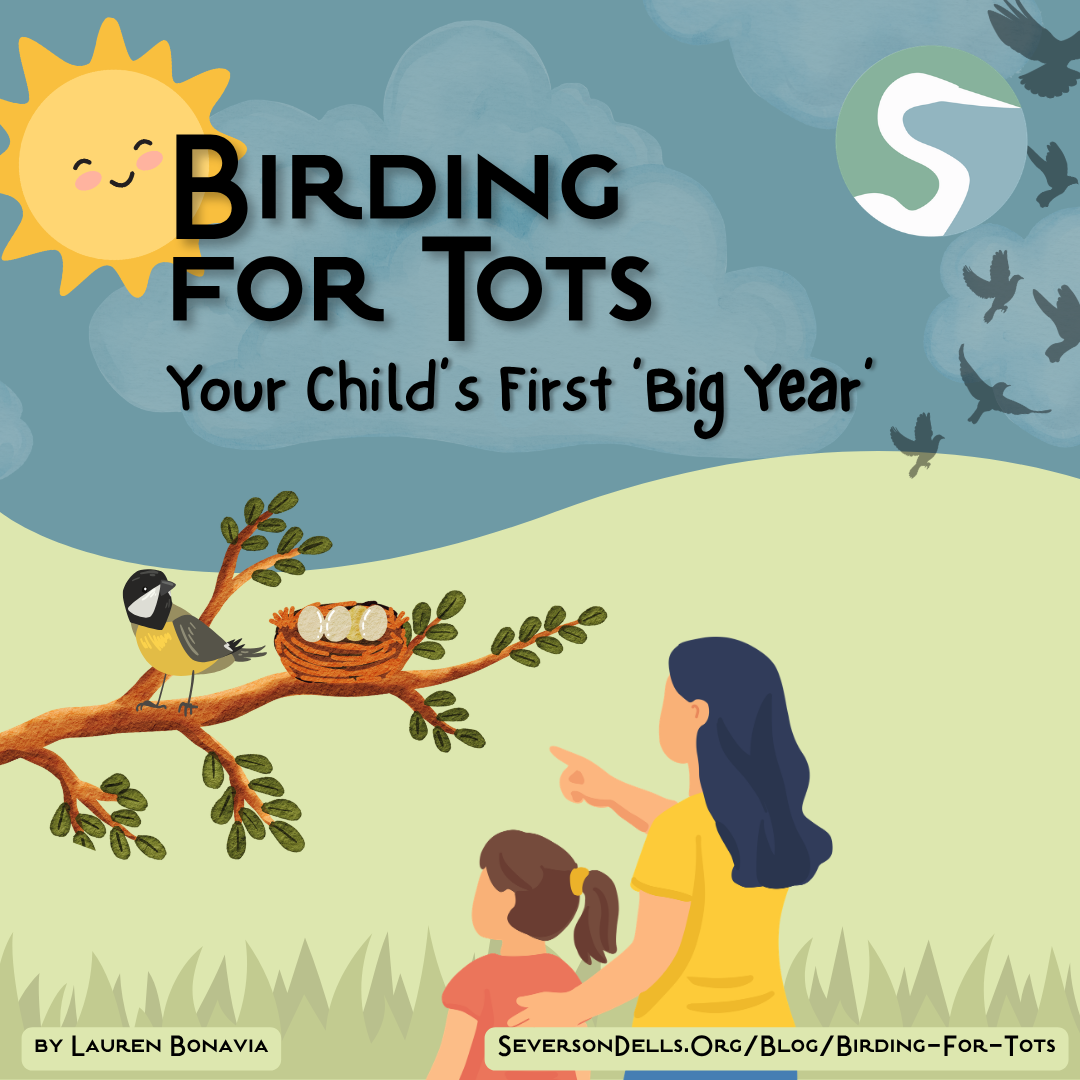
People are increasingly taking up birdwatching as a hobby - and it’s for good reason. Some even aim for a ‘Big Year’, or seeing as many birds as possible in one calendar year. Regardless of your level of commitment, one thing is sure: spending time in nature, off screens, and meaningfully interacting with the people and world around us benefits our health, society, and the environment.
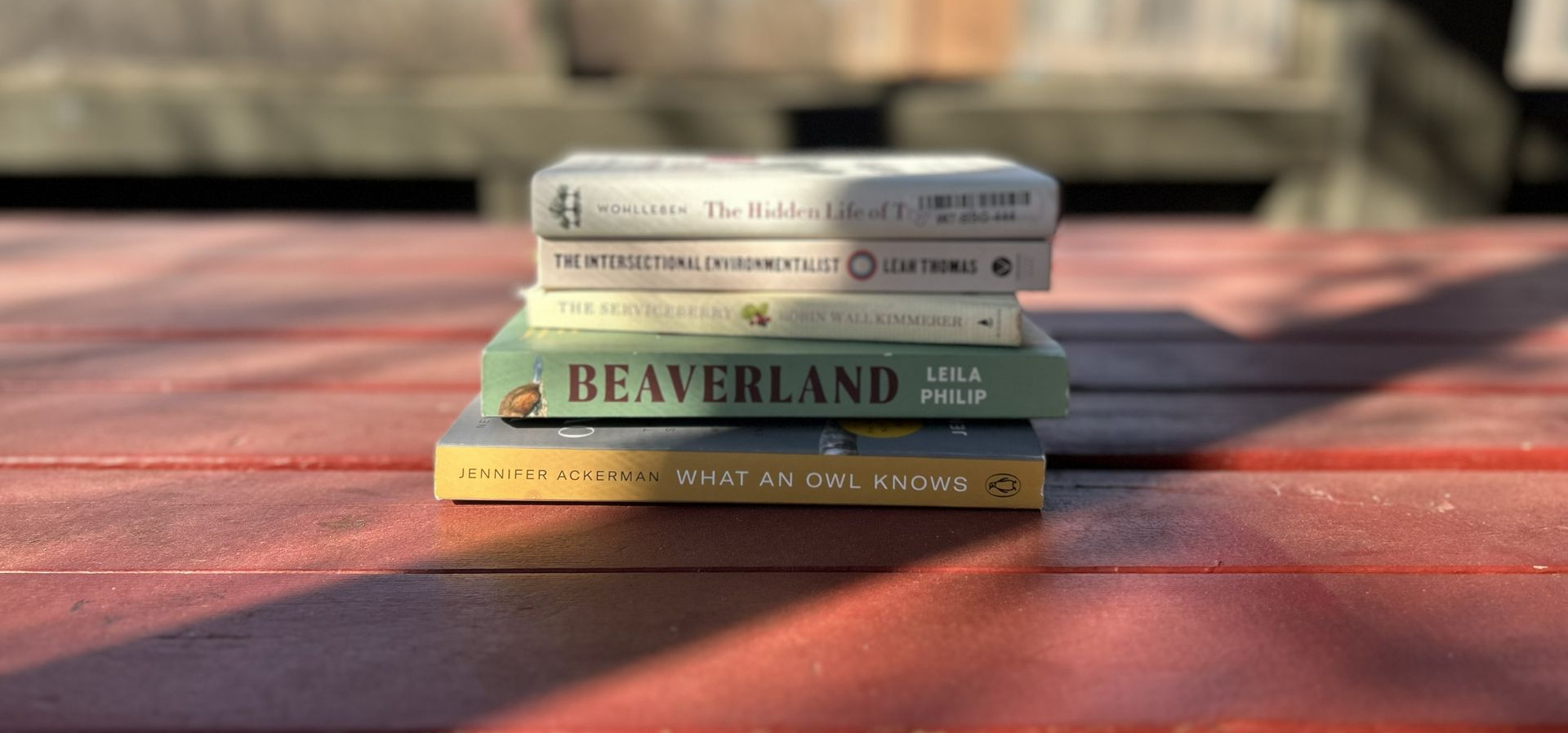
If you’re a reader interested in learning more about nature, then you’ve probably browsed a few book lists looking for recommendations and quickly got overwhelmed by the sheer amount of nature books that exist. There are certainly some classics such as Silent Spring or Walden , but it can be hard to decipher what to read when selecting more current publications. At Severson Dells, our staff is full of voracious readers (seriously, three different people got books about octopi in the holiday gift exchange) and are happy to provide some recommendations! These recommendations are more recent publications, within the last ten years, and have all been read and enjoyed by at least one member of the staff here at Severson. They vary in topic, but all share the common thread of getting people engaged in the nature around them.