FIELD NOTES BLOG

Introducing Sydney

Sydney Sherbitsky
November 1, 2024

Hello everyone! My name is Sydney Sherbitsky (she/her) and I am excited to join the Severson Dells team as an Environmental Education AmeriCorps member! I’m from Long Island, New York, so I am looking forward to experiencing the beauty of the Midwest and its changing seasons for the first time.
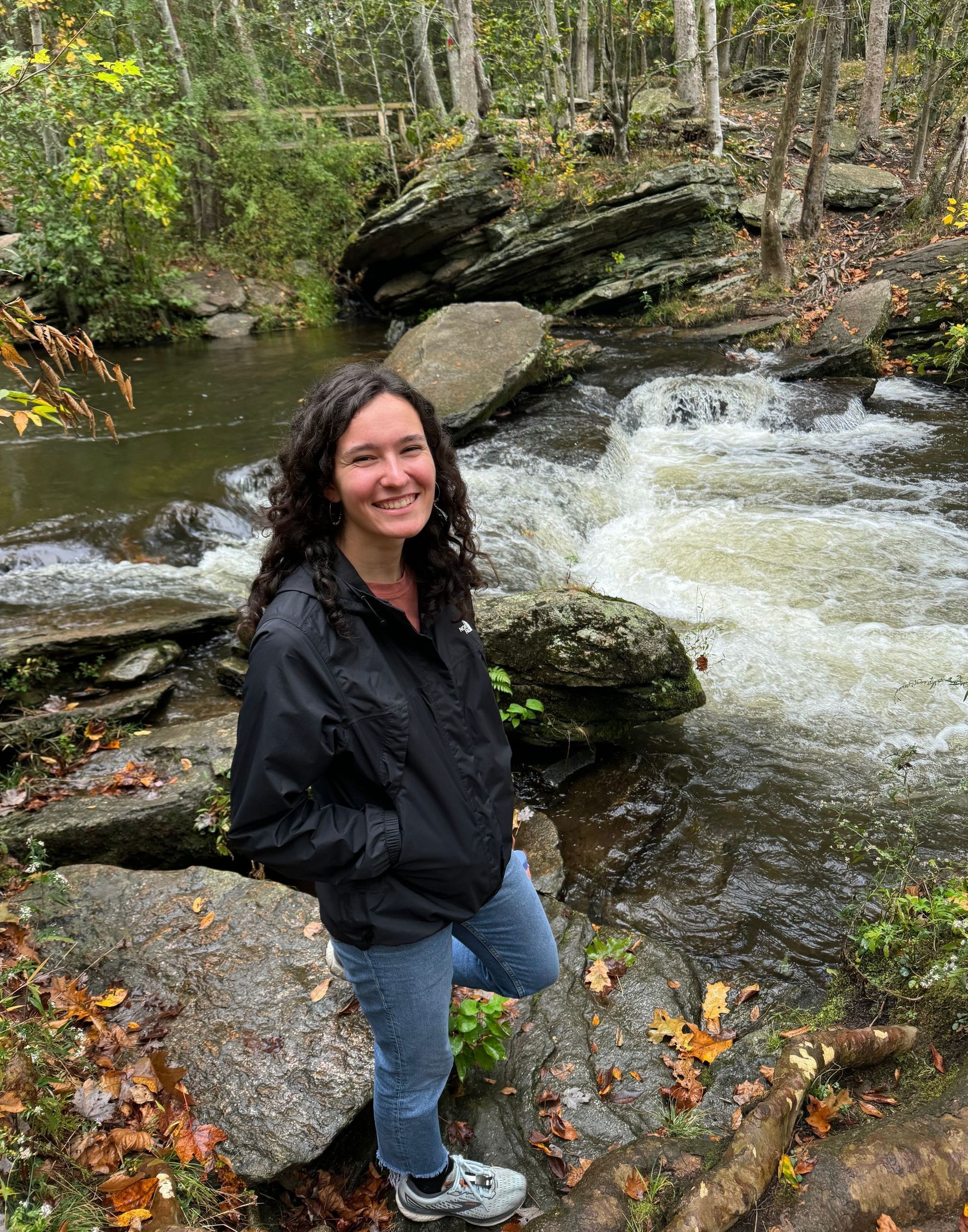
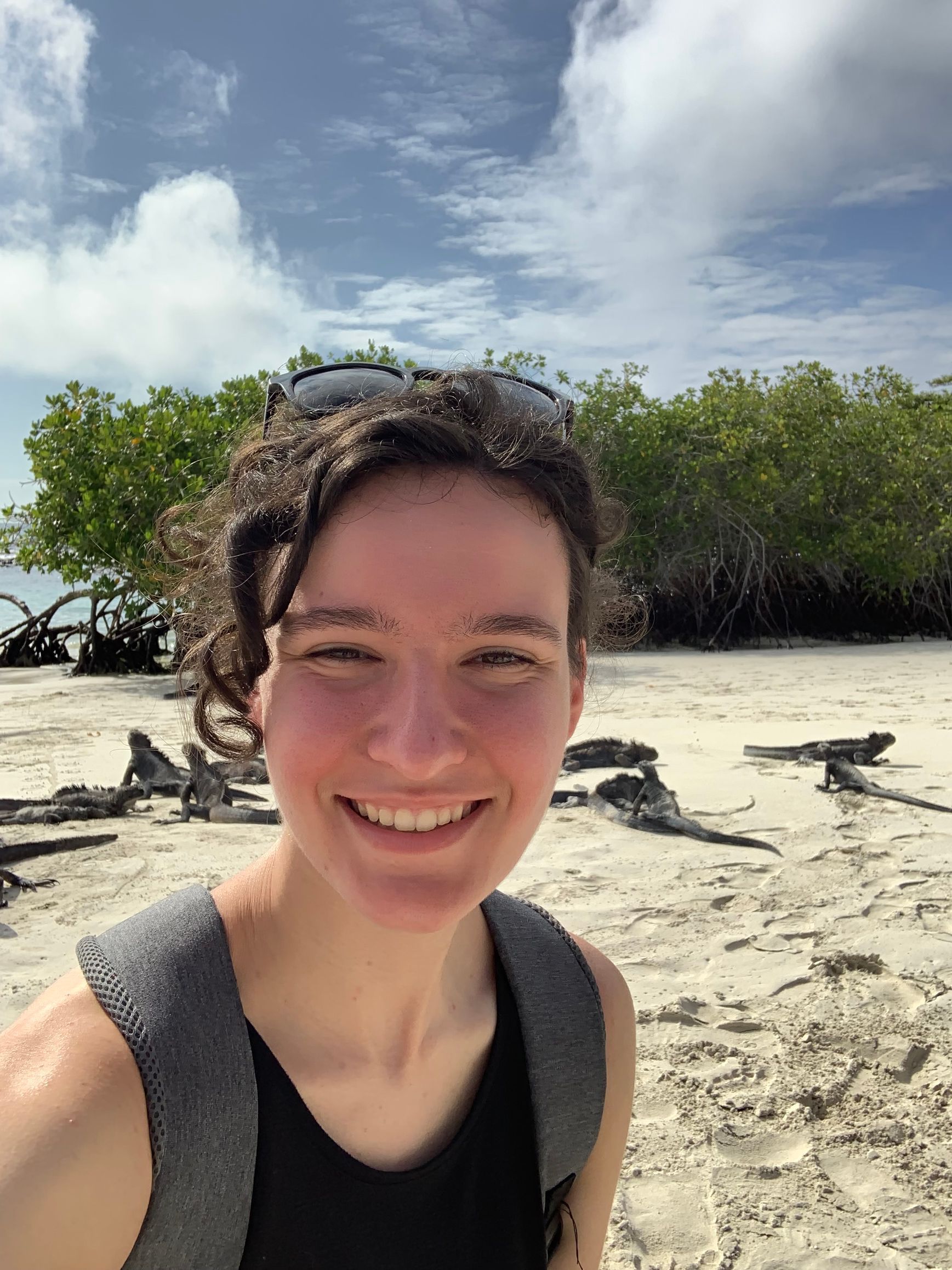
I graduated this past spring from Stony Brook University with a bachelor’s degree in environmental studies as well as minors in coastal studies and urban planning. My studies have allowed me to deepen my experiences in the natural world where I studied abroad in Ecuador, led the Stony Brook Environmental Club, and conducted ecotoxicology research.

My curiosity for nature began at a young age, with my family frequently visiting local parks and nature centers. This early spark carried into young adulthood, where I took a high school hands-on environmental science class that explained environmental complexities I could observe outside and fueled my passion to pursue an environmental career.

As an environmental educator, I believe that people can’t care about what they don’t know about, so I’m excited to help bridge that gap and ignite new curiosity for the natural world in others.

While I am in the Midwest I would like to explore the many conservation areas nearby, but when I’m not at Severson Dells or hiking you can find me catching up with friends and family, embroidering, painting, or reading.

I look forward to learning with you all soon!

RECENT ARTICLES
By Olivia Price May 28, 2026
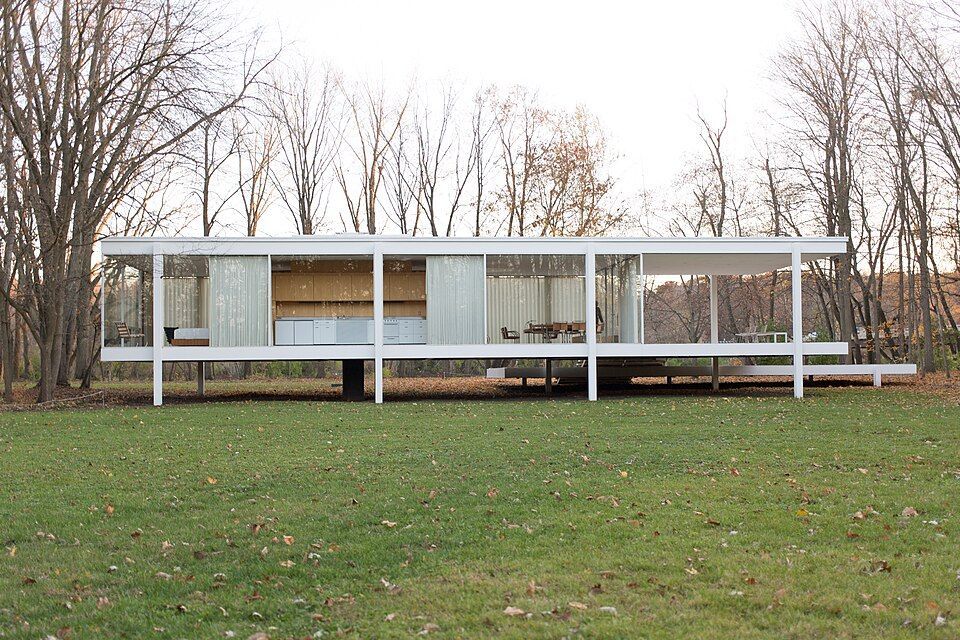
Nature and Architecture in Northeastern Illinois
By Emma Zimmerman May 19, 2026
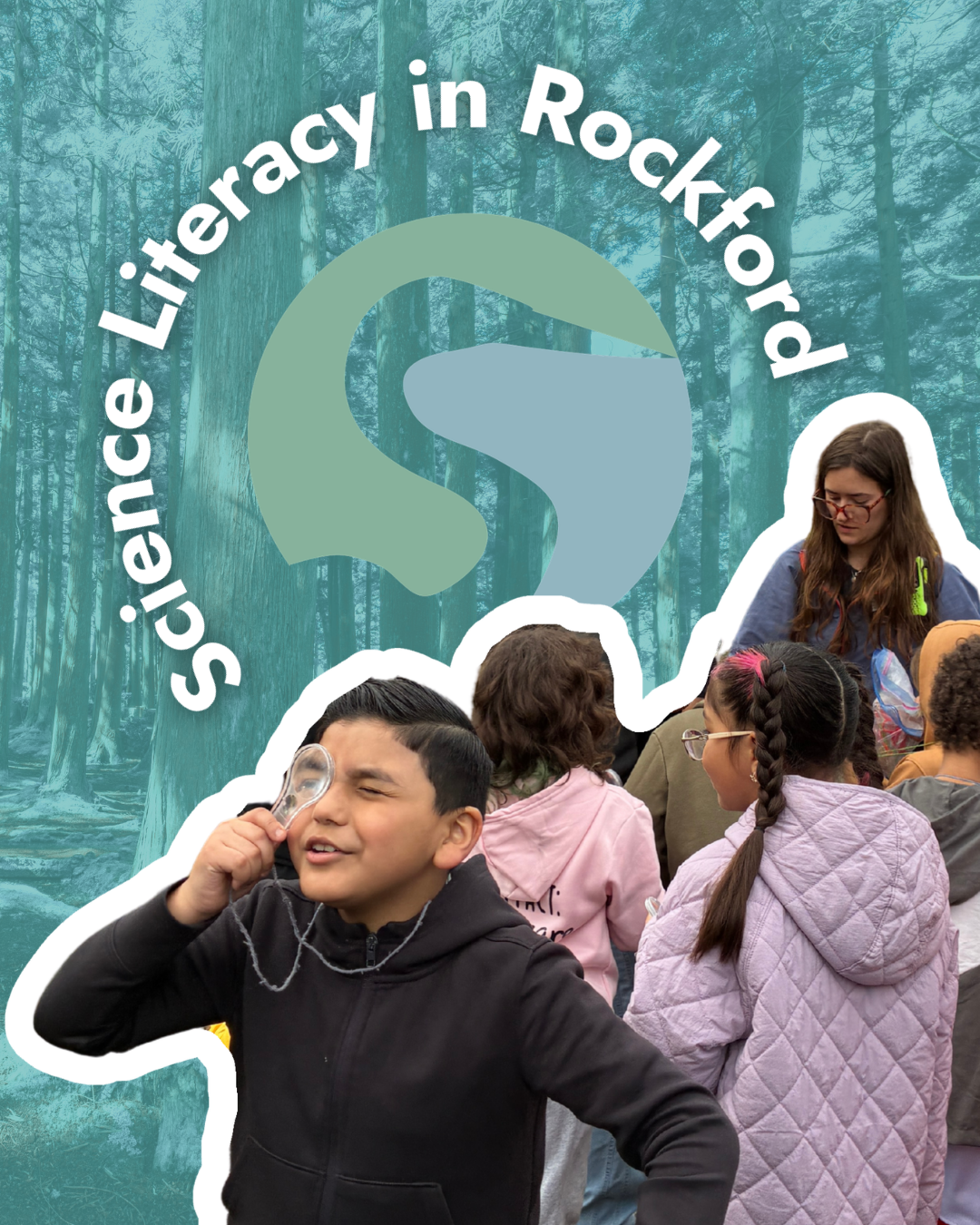
Science literacy may not be a term you hear every day, but it is something that shapes your life and the community around you in more ways than you might realize. Science literacy is the ability to understand, evaluate, and apply scientific concepts to make informed decisions regarding the world around us. Science is intertwined in nearly every part of our lives, but it can still feel intimidating and inaccessible at times, and that is largely because our society has a science literacy gap . Science can be complicated and challenging to understand, and this feeling is more common than we often admit. By making science more accessible through environmental education, we work to break down these barriers and build a more scientifically literate society. A scientifically literate society is a resilient society that is better prepared to solve climate problems, advocate for change, and build a more sustainable future.
By Emma Zimmerman May 12, 2026
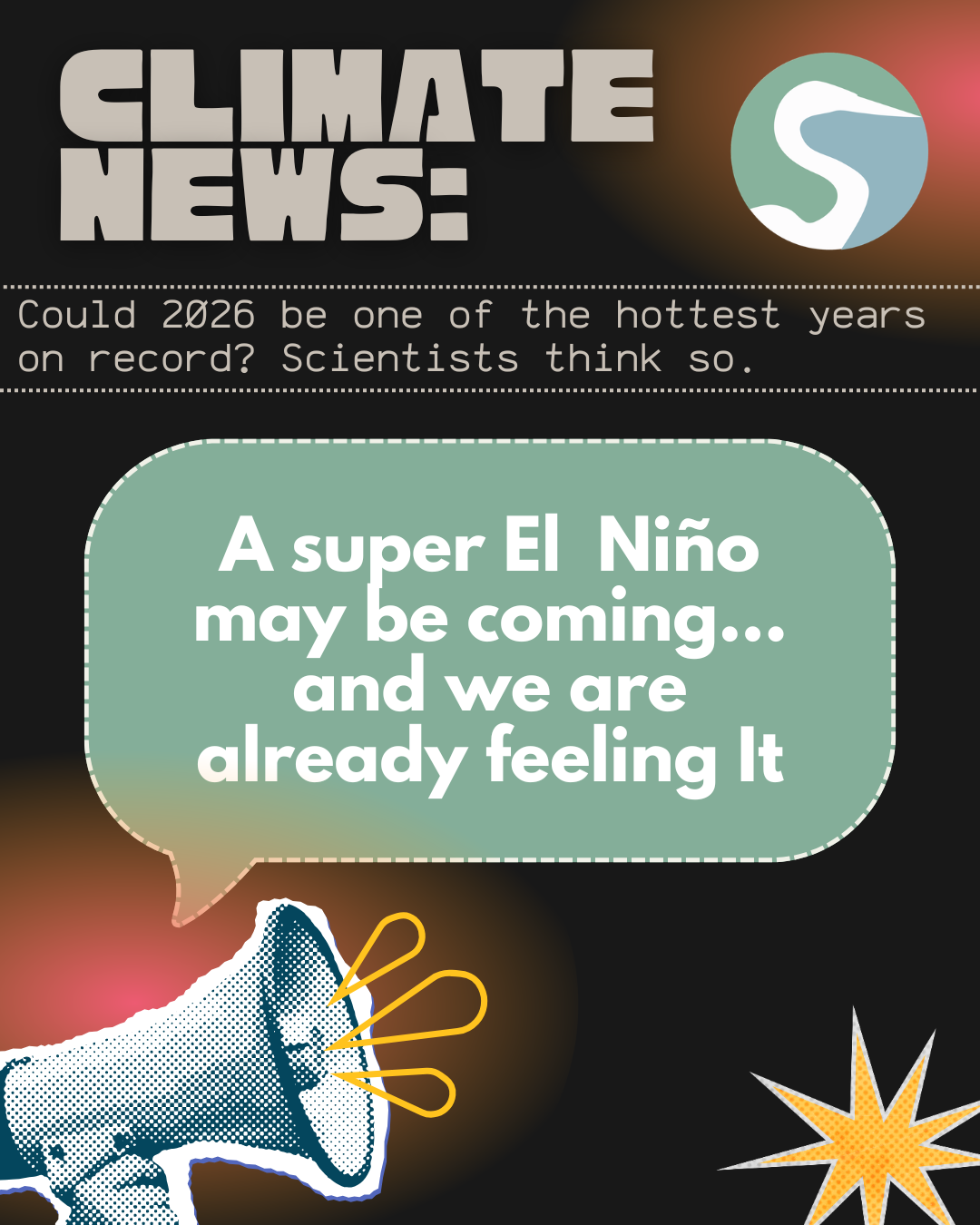
If March felt unusually warm where you live this year, you weren’t imagining it. March 2026 wasn’t just the warmest March on record in the United States; it was the most abnormally warm month ever recorded in the lower 48 states, according to National Oceanic and Atmospheric Administration data . That means no other month in our recorded history has ever been this far above average. On average, temperatures across the country reached approximately 50.85°F, which is 9.35°F above what’s considered normal for March based on 20th-century data. What is even more concerning is that the entire year leading up to it, from April 2025 through March 2026, was the warmest 12-month period ever recorded in the continental United States. This news should be sounding alarms everywhere.