FIELD NOTES BLOG
Hiking as an Adult
Reflect, Recharge, and Rekindle Your Sense of Adventure
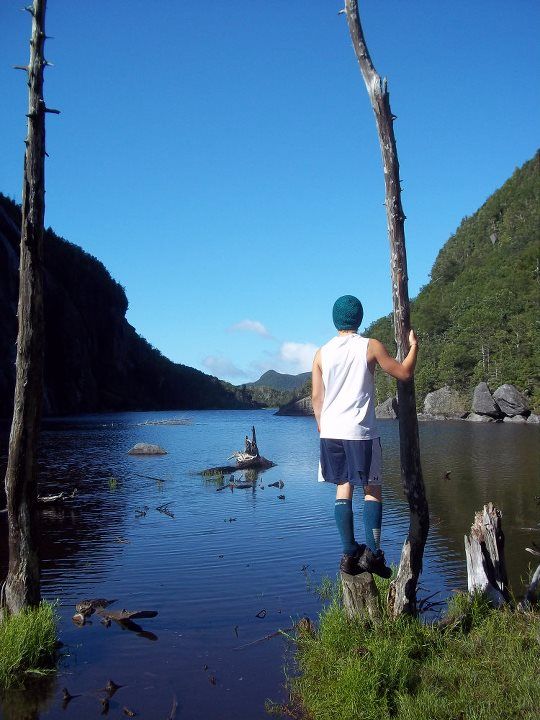
Hiking isn’t just for kids on school trips or backpacking twenty-somethings chasing epic Instagram shots—it’s for all of us, especially adults who need a break from emails, responsibilities, and the chaos of daily life. I’ve been hiking since I was young, and what I love most about it is that you can do it just about anywhere. I’ve hiked glorious mountain ridges in New England, summited 13,000 foot peaks in New Mexico, and climbed all 46 mountains above 4,000 feet in New York state…yet some of my favorite hikes are still the short, simple ones I can do out my backdoor.
At Severson Dells, we believe that hiking is one of the best ways to refresh both body and mind. Our trails invite you to step away from the hustle and bustle of the “real world” and into nature. Here’s why hitting the trails—especially with us—should be part of your routine.
Health Benefits: Stronger Body, Clearer Mind
Hiking is one of the most accessible and rewarding ways to stay active. It improves cardiovascular health, strengthens muscles, and enhances balance and coordination. Walking is one of the lowest impact sports around, too! This means that while you derive all the cardiovascular benefits of other aerobic activities, you do so with a minimum of stress, strain and pounding to your body. According to the National Heart, Lung, and Blood Institute, hiking can lower blood pressure 4-10 points1. It is also a great way to maintain a healthy weight–you burn approximately 100 calories for every mile you walk at a casual pace. If you pick up the pace or tackle hills, you can burn up to 250 calories per hour! Hiking can also help your bones. A Washington University School of Medicine study found that postmenopausal women who hiked regularly increased their bone mineral content by 6.1% in just one year2.
From the mental perspective,there is plenty of evidence that spending time in nature helps reduce stress and improve your mood ! Hiking releases endorphins, which allow your “fight or flight” reflexes to calm down. A Stanford University study found that people who walked for 90 minutes in natural settings showed decreased activity in the brain region associated with depression. Another study showed that after just 50 minutes outdoors, participants experienced reduced anxiety and improved working memory. I know I certainly feel better after a walk in the woods!
Rekindle Your Curiosity
As kids, we explored the outdoors with wonder—chasing butterflies, flipping over rocks, and discovering new things at every turn. Hiking helps us reclaim that curiosity, no matter our age.
At Severson Dells, we embrace that spirit of exploration with seasonal guided hikes that highlight nature’s hidden wonders. From full moon hikes to springtime searches for skunk cabbage and woodcock, to summertime creek walks, every experience offers something new to discover. Our trails change with the seasons, ensuring that no two hikes are ever the same.
We strive to be as inclusive and accessible as possible. If you ever have questions about trail difficulty or accommodations, we’re happy to help!
You can also theme solo hikes! Bring along a favorite book to read during your breaks, pause to journal the beauty around you, go searching for hints of your favorite color, and more. You don’t have to outgrow whimsy and imagination as an adult, in fact, you can indulge it through nature walks.
Ready to Hit the Trails?
Severson Dells Nature Center offers beautiful, accessible hiking trails that welcome all levels of hikers.
Upcoming Hikes:
Skunk Cabbage and Woodcock–Keep an eye on our page for these pop-up hikes!
Full Moon Hikes – April 11, May 12
Birding Stroll – April 23, May 6, May 20
Wildflower Walks (Tuesday or Wednesdays starting April 23) – Join us once a week at various natural areas to learn about native wildflowers from expert guides!
Find out more about our hikes and events by subscribing to our newsletter, visiting SeversonDells.org, or following us on Facebook.
We hope to see you on the trails!
Sources:
- National Heart, Lung, and Blood Institute. The Seventh Report on the Joint National Committee on Prevention, Detection, Evaluation, and Treatment of High Blood Pressure. http://www.nhlbi.nih.gov/guidelines/hypertension/express.pdf. Dec. 2003
- Dalsky, G. P., Stocke, K. S., Ehsani, A. A., Slatopolsky, E., Lee, W. C., & Birge, S. J., Jr (1988). Weight-bearing exercise training and lumbar bone mineral content in postmenopausal women. Annals of internal medicine, 108(6), 824–828. https://doi.org/10.7326/0003-4819-108-6-824
- G.N. Bratman, J.P. Hamilton, K.S. Hahn, G.C. Daily, & J.J. Gross, Nature experience reduces rumination and subgenual prefrontal cortex activation, Proc. Natl. Acad. Sci. U.S.A. 112 (28) 8567-8572, https://doi.org/10.1073/pnas.1510459112 (2015).
- Health Benefits of Hiking, https://americanhiking.org/resources/health-benefits-of-hiking/
- Hike Your Way to Better Health, Harvard Health Publishing, https://www.health.harvard.edu/staying-healthy/hike-your-way-to-better-health

RECENT ARTICLES