FIELD NOTES BLOG
Bryce's Farewell
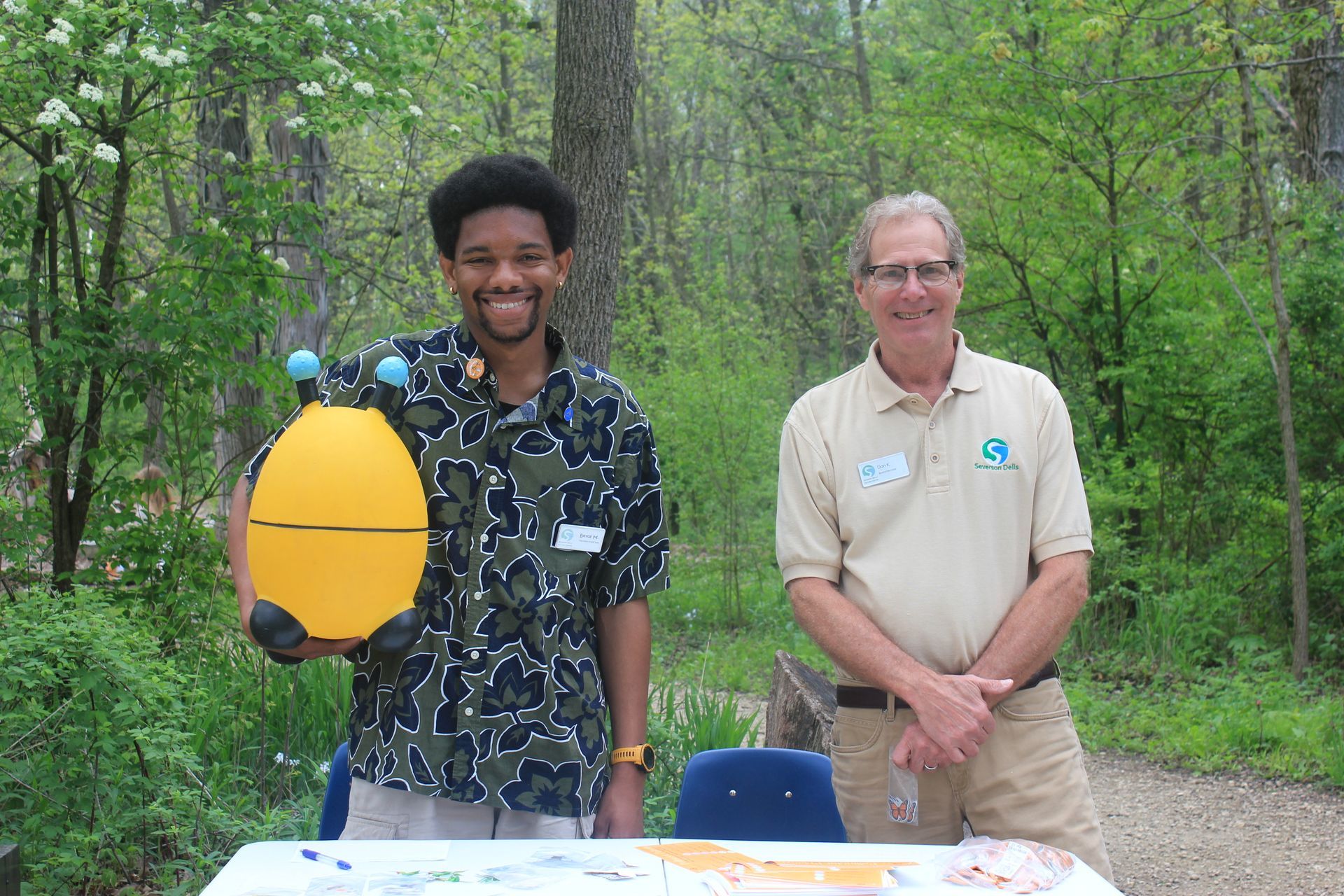
Seemingly over as soon as it began, my time working as an AmeriCorps Member at Severson Dells will unfortunately come to an end today. When I started at Severson I was simply looking for a seasonal position that was relevant to my career path, but from my first week here I had realized that this position was so much more. However, like the birds you all associate me with, I will be migrating south to embark on the last leg of my academic career. I will be working towards my PhD in wildlife ecology and conservation at the University of Florida.
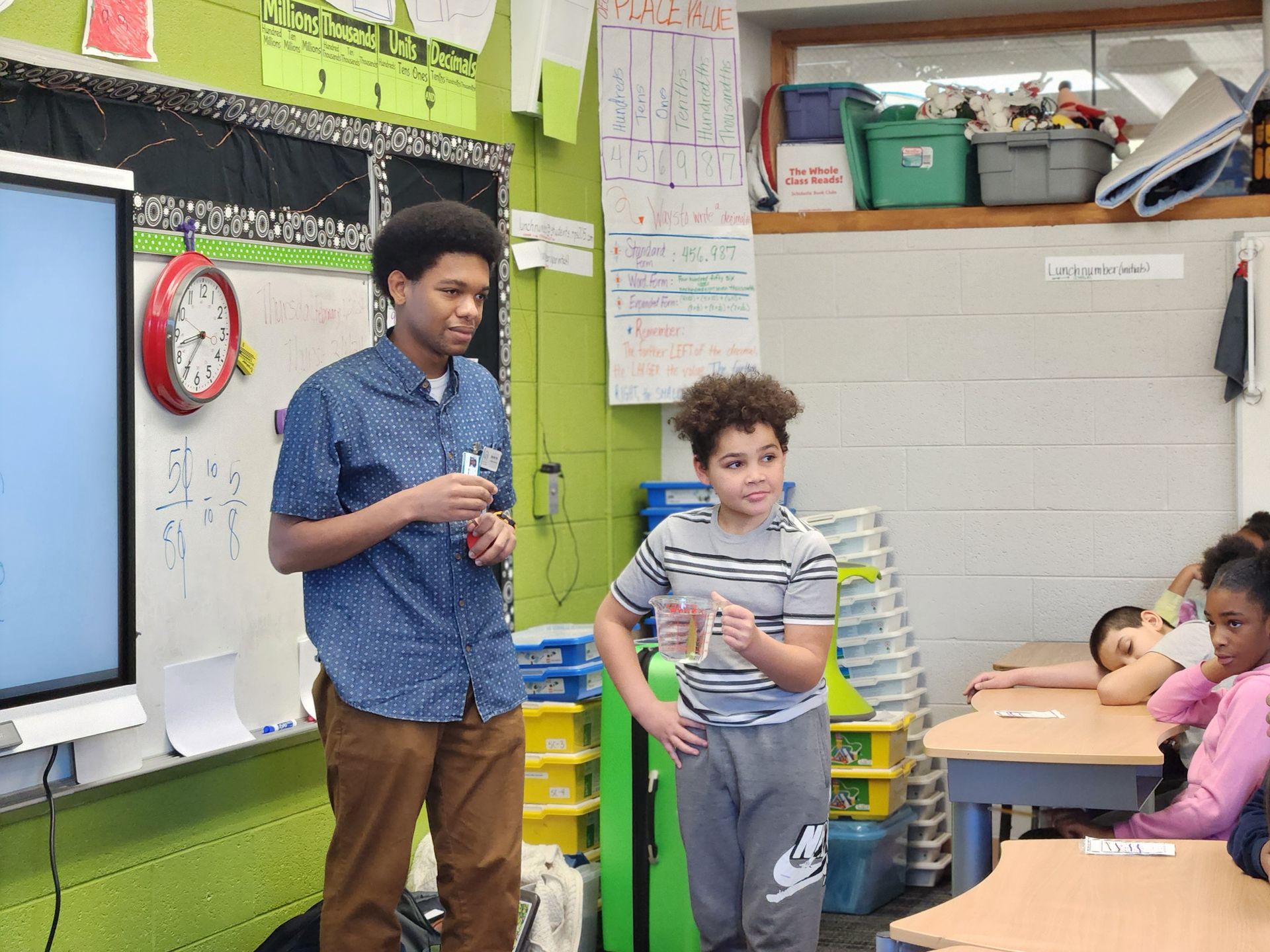
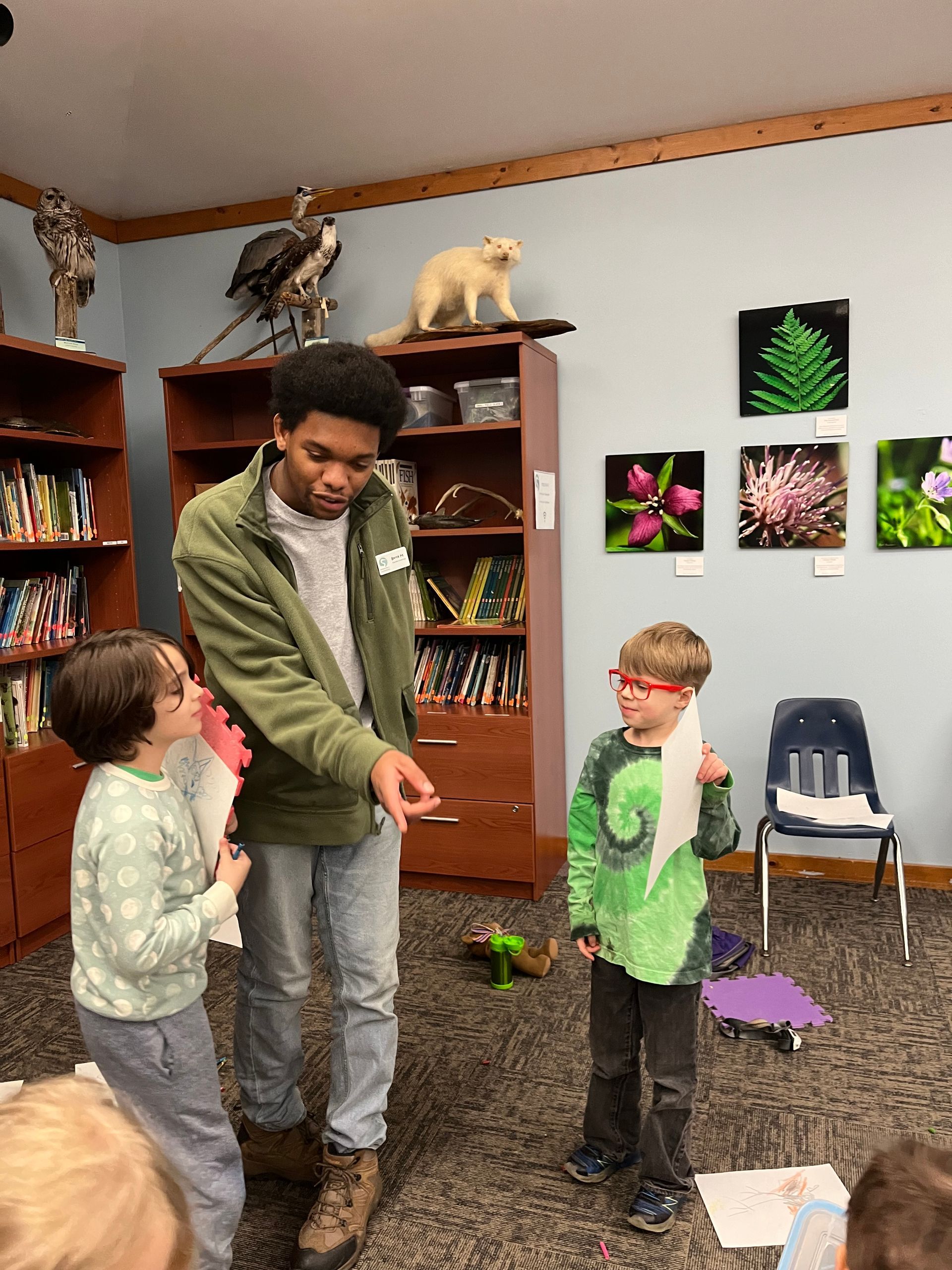
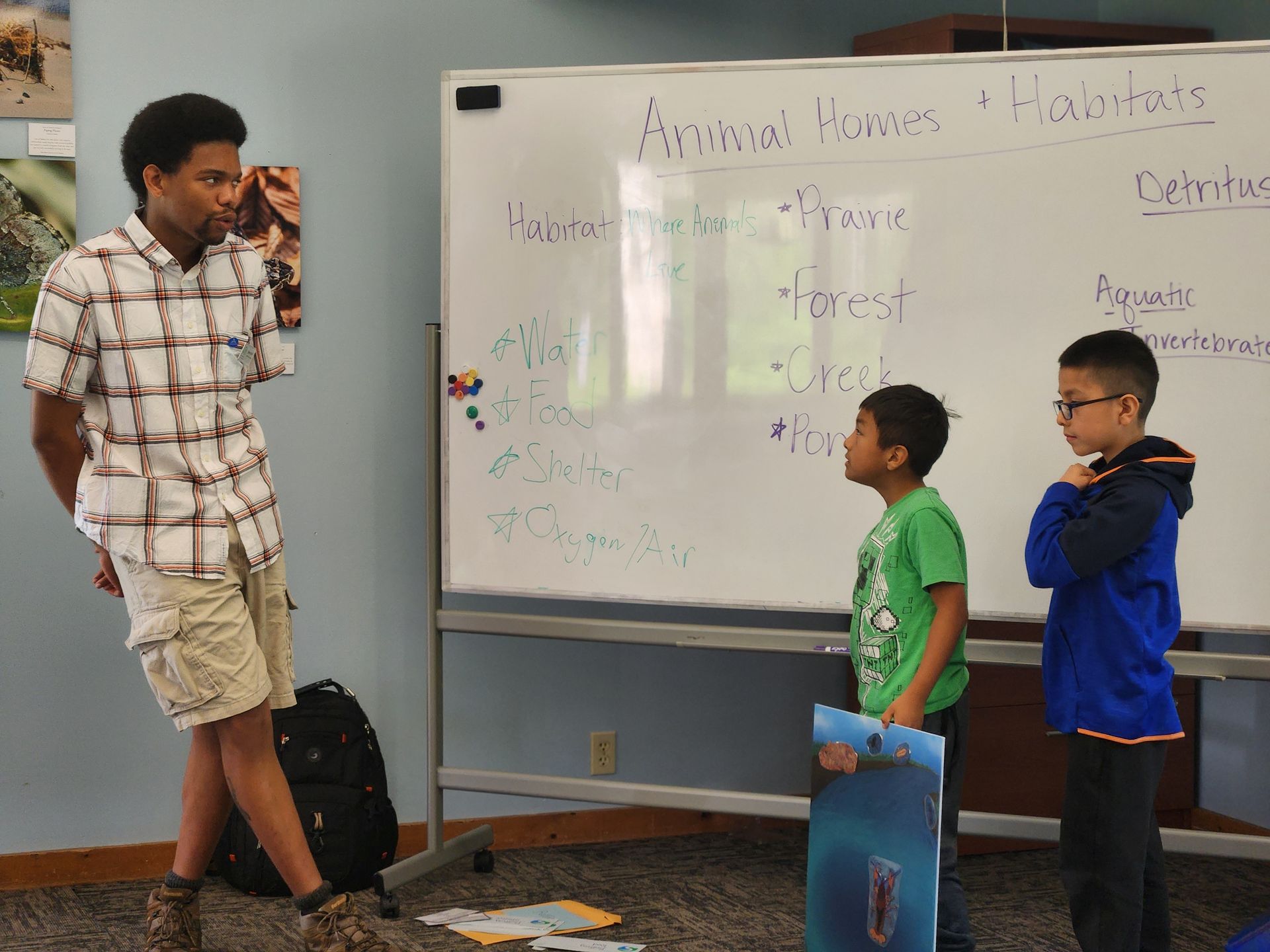
When I initially started working at Severson I didn't really know what I was getting myself into. Even though I come from a family of educators, I had never worked in such a teaching focused position before, for I had always focused on more wildlife focused positions in the past. But I was pleasantly surprised about how much I enjoyed it. Being able to share my knowledge and passion for all aspects of nature was a fulfilling and cathartic experience; a soft skill that has been increasing in need as there has been a growing distrust of the sciences.
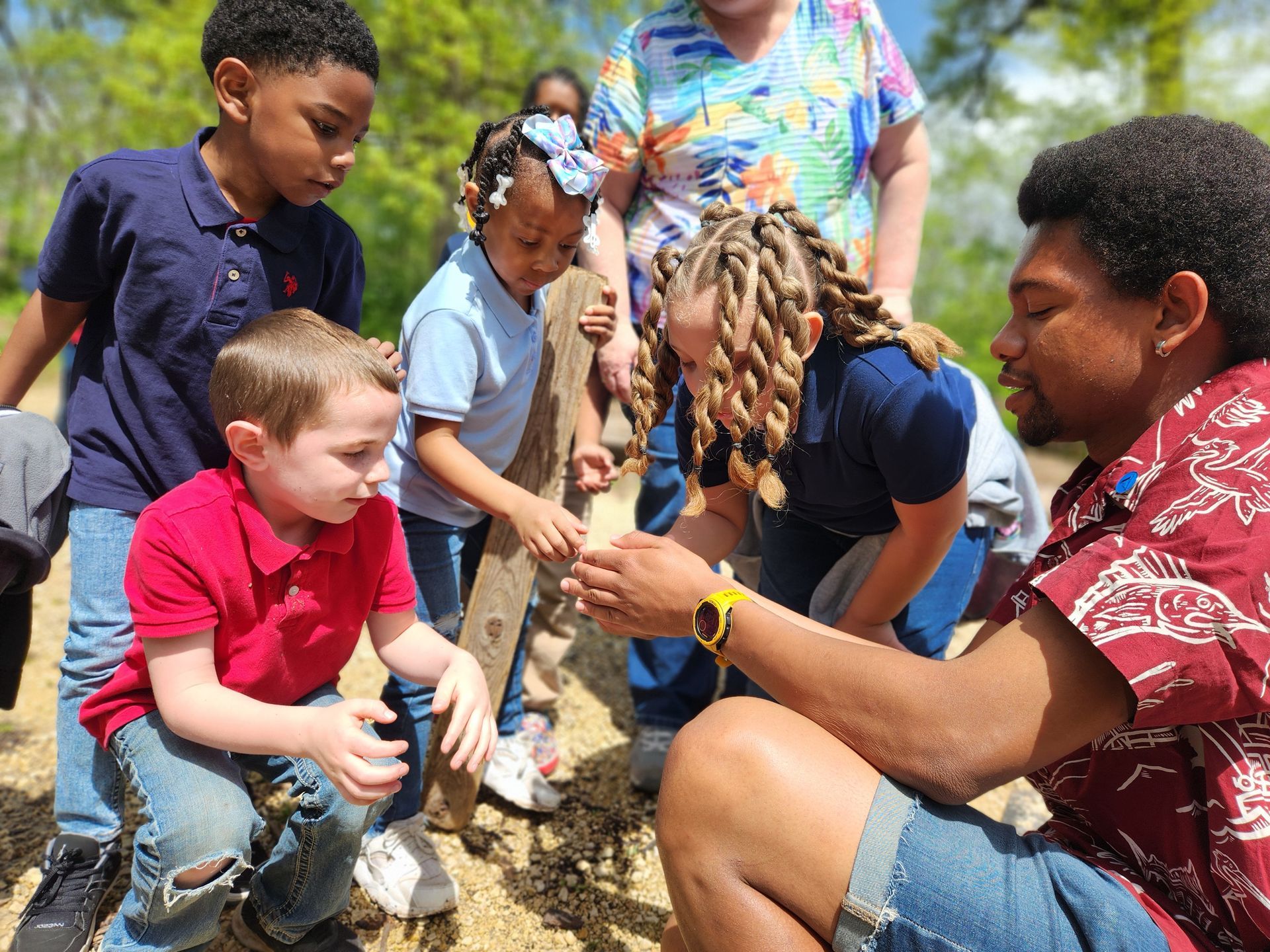
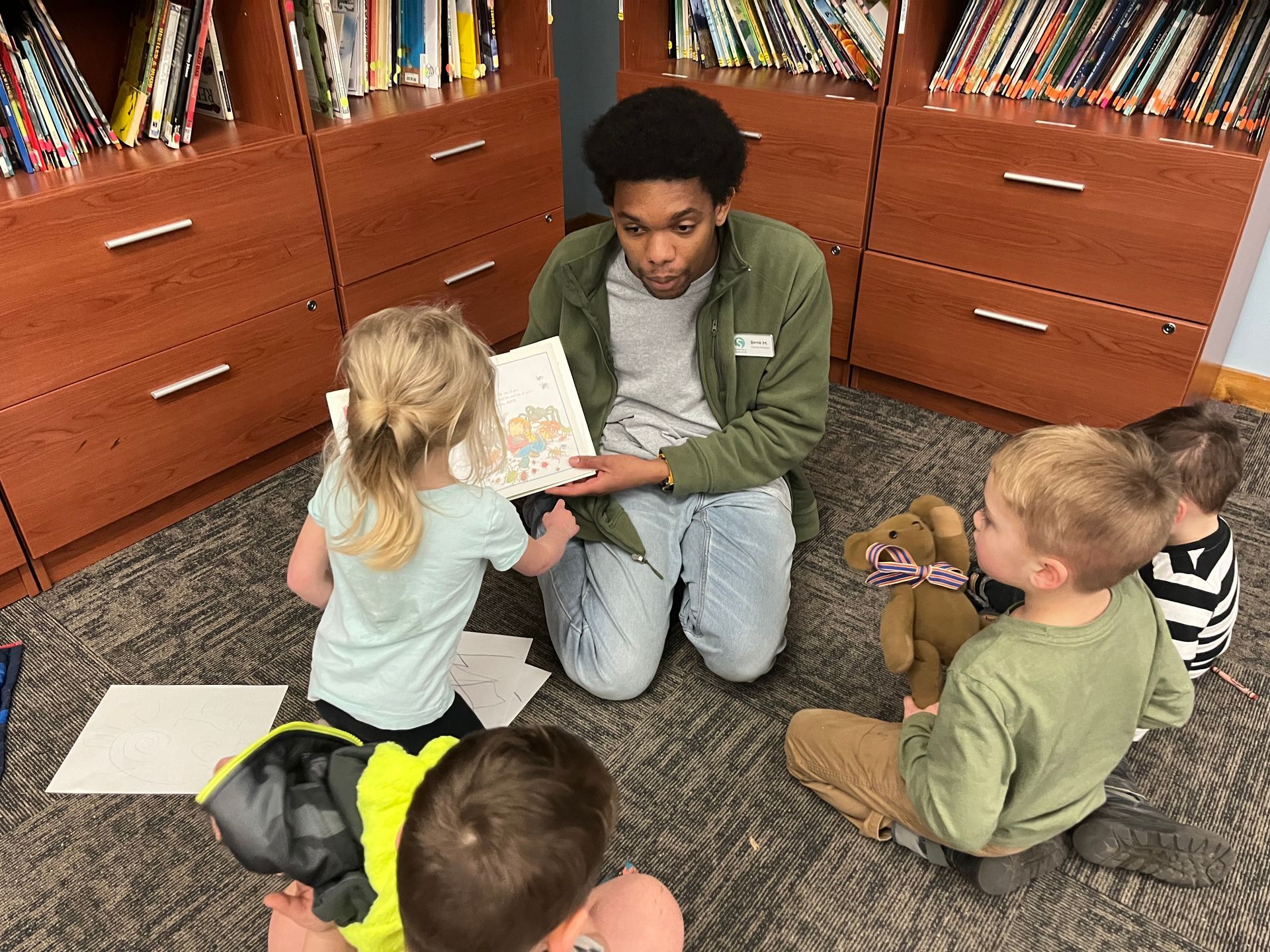
The most rewarding aspect comes from the children. We live in a tumultuous time, as society has had to come to come to terms with how we have and are negatively affecting the planet. But seeing the love that children have for the Earth showed me that there is still hope. With the proper teaching, we can nurture the next generation of environment enjoyers and advocates. Working with such a wide range of people has greatly increased my soft skills involving communicate, conflict management, and creativity; all of which aren’t normally prioritized in the scientific community
This isn't to say that I haven't been able to hone my hard, scientific skills as well. It was an absolute pleasure to help members of the natural resources and community science teams with their work. Having done some herbicide work out west in the past, expanding my library of knowledge involving different invasive species and how to control them is a plus. My inner zoologist was appeased by helping collect frog data during surveys. Further fostering my love for the sciences and providing me with transferable skills for my PhD.
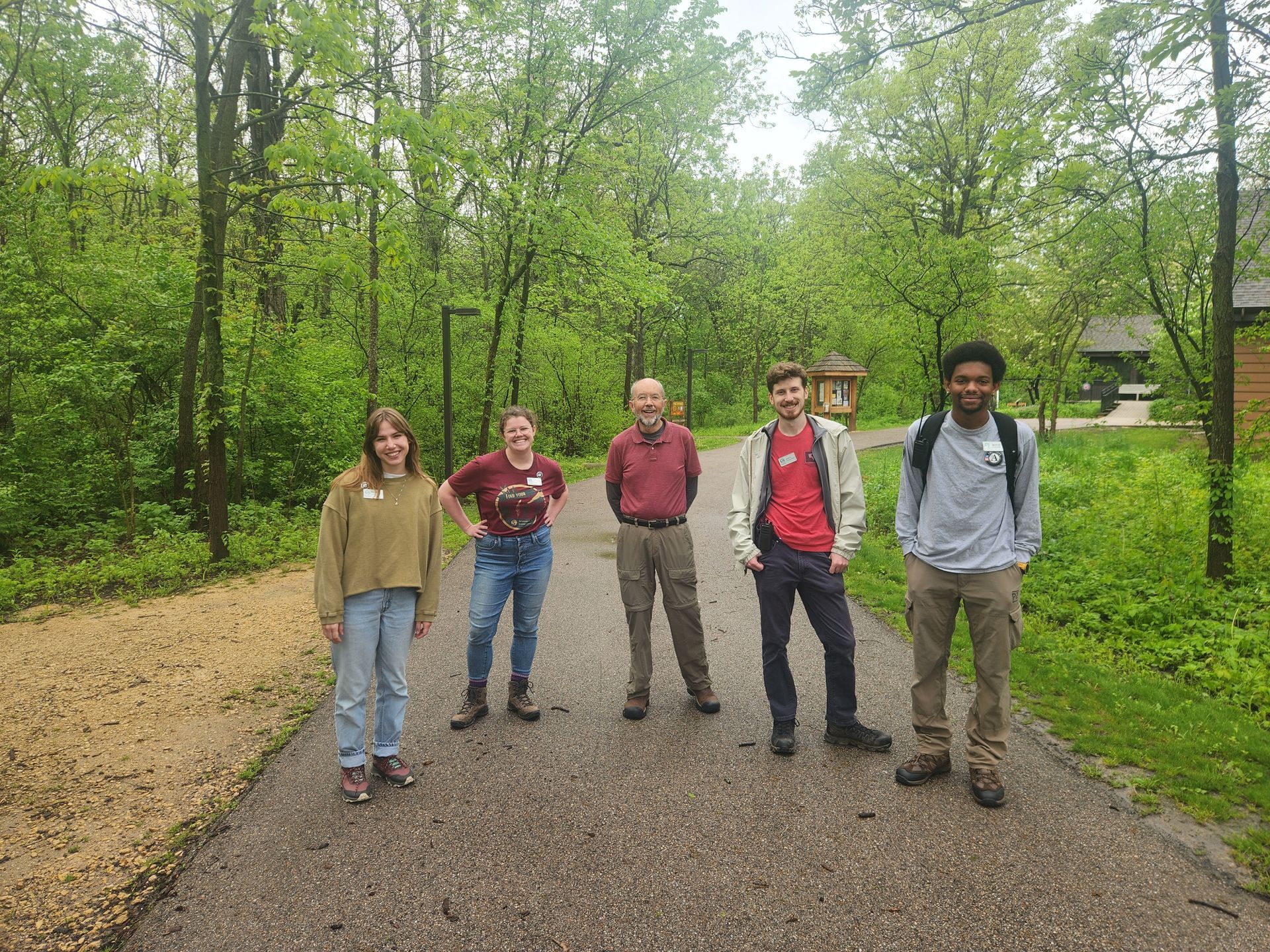
Severson Dells served me as equal parts cradle and canvas, in an abstract sort of way. The seasoned and capable staff were able to teach me so many things about how to be a better educator, scientist, advocate, and team member. They have become more than just coworkers or bosses, but rather mentors and lifelong friends. The work we did has given me opportunities to do more than just follow directions to accomplish a task, but rather lead and create through lesson planning and public programs. Both of which increased my confidence and set me on the path to stand tall as a leader in my field.
All in all, Severson Dells Nature Center has fostered my creativity, collaboration, and humor so much, as well as all the individuals that contribute to it. This job has introduced me to a plethora of incredible individuals, and the personal and professional connections I've made here have shaped me into the person, scientist, communicator, and educator that I am today. No matter how far I move away, Severson Dells will always hold a special place in my heart.


RECENT ARTICLES