FIELD NOTES BLOG
Bringing Nature to the Community: Severson Dells at the Boys & Girls Club in Rockford
Last December, we let you know about the exciting new after-school program Severson Dells was doing with a couple of schools from Rockford Public School District. It was a wonderful way to bring nature to the community and connect with more students. This year, we are bringing our hands-on after-school curriculum to two of the local Boys & Girls Clubs here in Rockford! The Severson Dells team will be visiting the Stenstrom Boys & Girls Club unit, formerly known as Fairground, closer to the west side of Rockford and the Flodin unit across the street from the former Elliot golf course towards the east side until April. We are already a couple of weeks into the program, and it has been amazing so far. The Severson Dells team is learning so much about the students and has already had meaningful conversations about nature. During the rest of the visits, we will be building habitat models, touching animal skulls and pelts, acting out the water cycle, going on an animal track scavenger hunt, and more. We are excited to continue bringing bits of nature to different parts of the community!


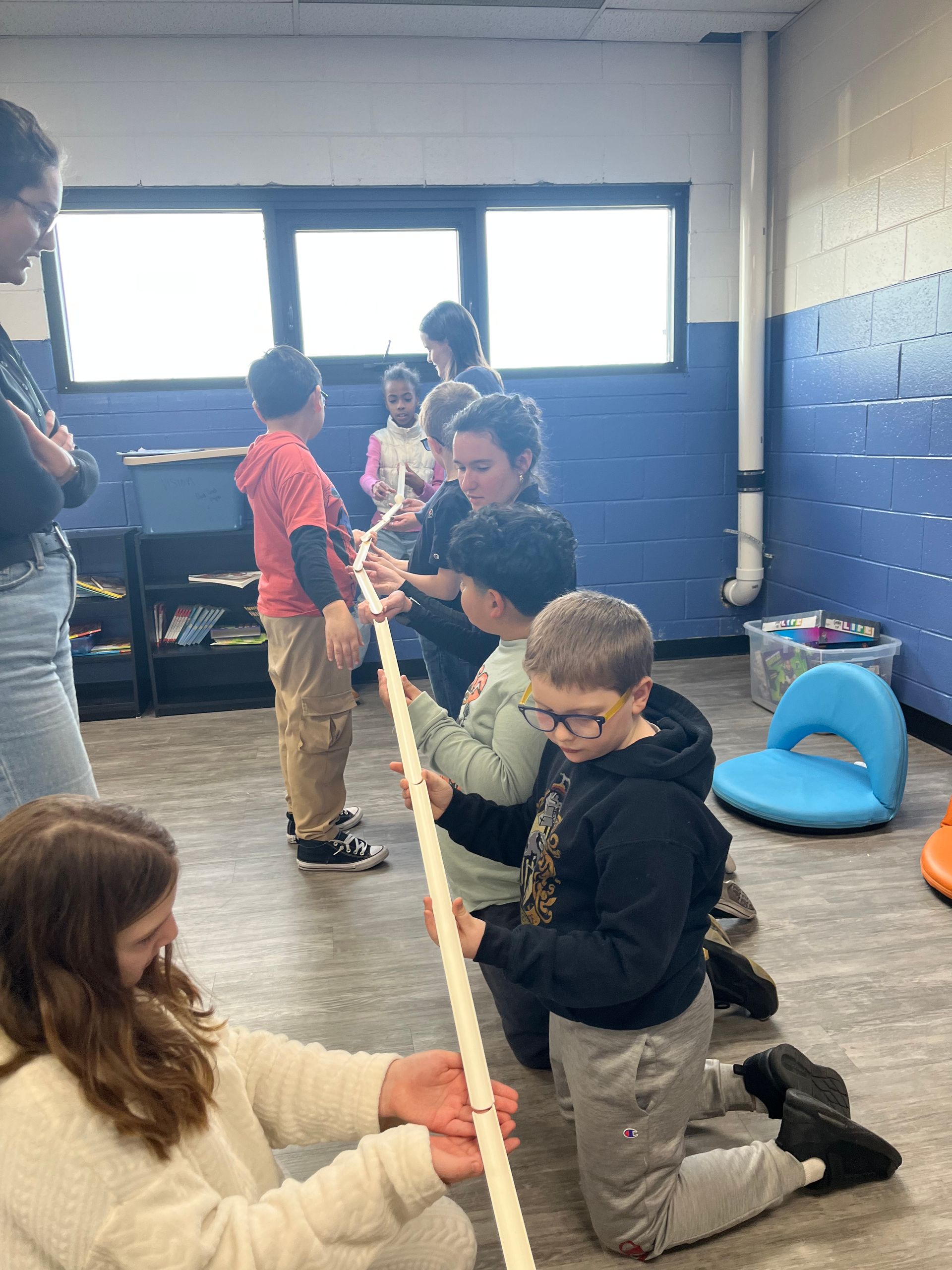
During the first couple of sessions, we focused on forming relationships with the participants. We are grateful for the opportunity to impact their lives and connection with nature with weekly visits. The Severson team also wants to make sure the students are having fun and are comfortable with the leaders and the activities we bring. So we asked the students “What is your favorite thing in nature” and “What is your favorite thing to do in nature”. We have loved getting to know the participants further this way, and it can help us determine some of the best lessons to bring out to them! Some of their answers have included:
- Swimming
- Climbing trees
- Going on bike rides with my dad
- Animals
- Butterflies
The students were so excited to play games and share their favorite things. The goal for everyone is to have fun while doing some sneaky learning through this partnership as well! That is why we also gave the club members a pre-evaluation. Our staff guided the students through a “yes” or “ no” based survey to gauge the student's comfortability and interest in various topics. Some examples of the questions included:
- I enjoy learning about nature.
- I am good at science.
- I think helping nature is important.
We are still in the process of giving out the evaluations, but the answers are fascinating to review so far!
Here are three trends we are seeing at this time:
- Many students like nature and think they know a lot about nature.
- Many club members like science but they don’t think they are good at science.
- Almost all the participants think helping nature is important.
We also asked the students to circle which animals live in and around Rockford given a list and pictures of a tiger, deer, bear, fox, rabbit, raccoon, alligator, and frog. The aim is to gain a better understanding of how connected with local nature these kiddos are. From there, we will give them as many opportunities as we can to enjoy interactions with their local flora and fauna.
These are three observations we have made so far through the pre-evaluation:
- Most of the participants recognize that rabbits live in Rockford.
- Some of the students believe that Raccoons live in Rockford but are unsure.
- Many students think that tigers do not live in Rockford but there was some confusion about zoos versus backyard animals.
Finally, we asked the club members to circle their top three favorite nature topics from a predetermined list. This will help inform our lesson plans to ensure we cover some of their favorite things!
Here are three of the topics that the participants are most interested in:
- Mammals
- Sky
- Plants
As mentioned above, we want the participants to enjoy learning about nature. We recognize that the children at the Boys & Girls Clubs have already had a full day of school so continuing to have formal learning after structure can be challenging - especially in the winter when we are more cooped up than usual! That is why many of the programs we bring will involve hands-on activities, bundled-up outdoor games, and plenty of time for discussions. We look forward to seeing the club members grow their connection with nature-related topics and the outdoors in a format that works for them. The Severson Dells team is grateful to have this partnership in the community. We will try to keep everyone updated with more wonderful stories from our time with the clubs! Stay tuned and have a happy holiday season.

RECENT ARTICLES