FIELD NOTES BLOG

Severson Dells Adventure Packs

Liz Wiener
February 22, 2024

Do you want to turn “I’m boreeeeed…what do you mean go explore outside, there isn’t anything to DO outside” into “Can we turn this tablet off and go explore at Severson Dells with an Adventure Backpack?” in one simple step*?

*Number of steps to amazement and wonder not guaranteed

With the new Adventure Backpacks by Severson Dells, your outdoor wanderings can turn to outdoor amazement!

Take your day from this… To this!

These Adventure Backpacks were graciously sponsored by the Alpine Kiwanis Club and expertly curated by the Severson Dells Nature Center education team! Designed for the modern explorer, these backpacks are your ticket to experiencing the great outdoors like never before.

Each backpack is stocked with a variety of tools to help enhance your experience while out on the trail. We’ve also included a handy dandy guide of activities, scavenger hunts, and tips and tricks in each pack!

Let’s dive into each pack to learn more about what is inside them!

Beaks and Binoculars
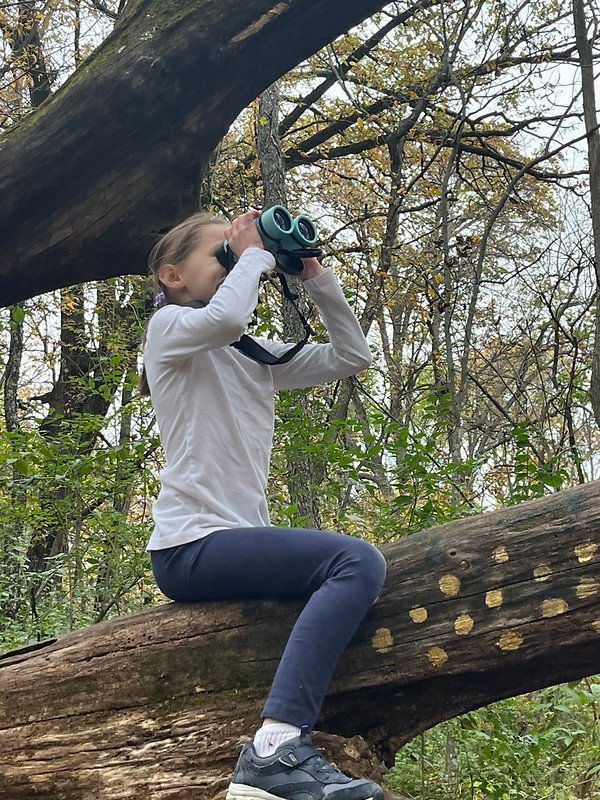
Do you have a budding birder on your hands? The Beaks and Binoculars backpack is designed for avian enthusiasts, complete with binoculars, bird ID guides, bird song books and even a monocular with a cell phone adapter! We’ve included an “Adventure Log” so you can write down all of the feathered friends you encounter on your journey. 

Bug Watch
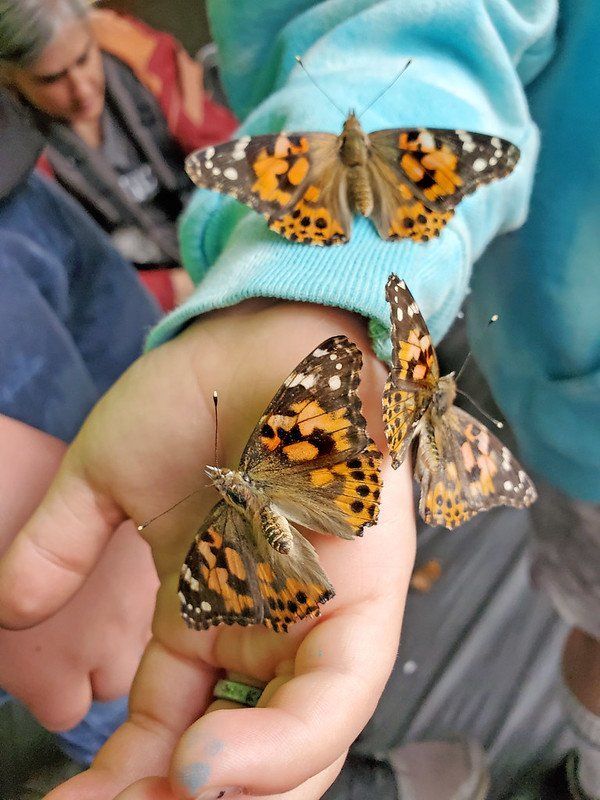
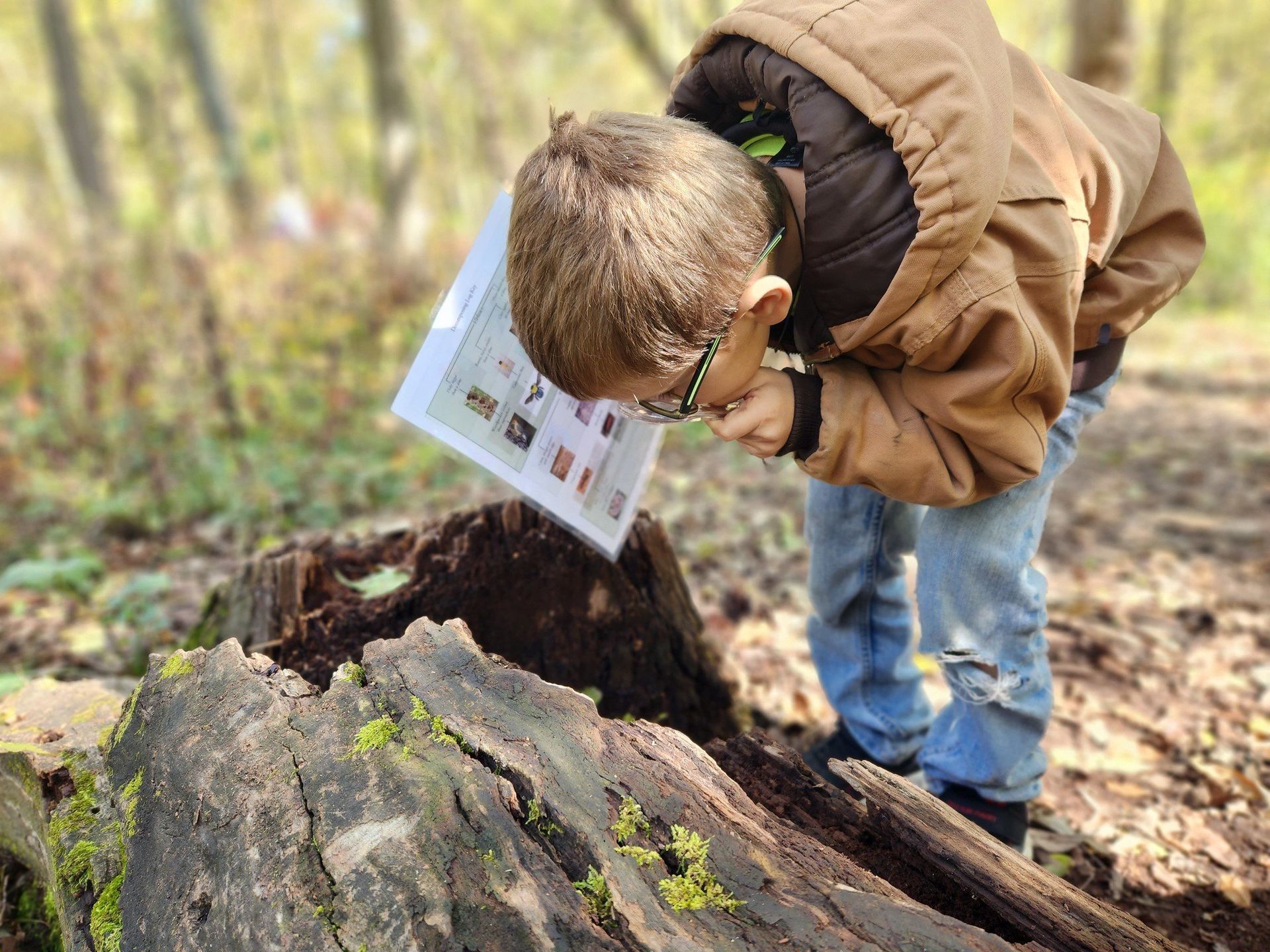
For those that love the “creepy-crawlies”, be sure to check out the Bug Watch Backpack. This pack comes with a bug net, magnifying bug viewers, ID guides, hand lenses, and story books to enhance your outdoor time. “Good Trick Walking Stick” is a staff favorite! 


Nature’s Palette
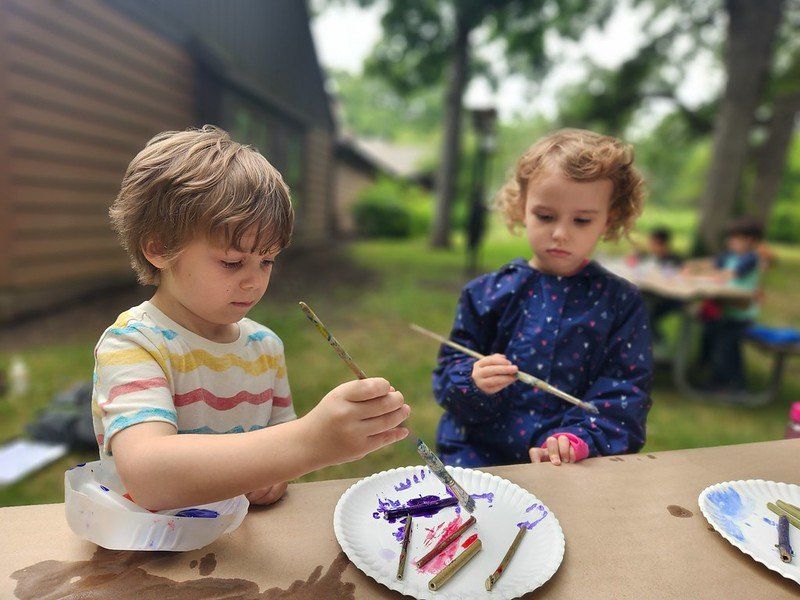
Move over, Monet! With Nature’s Palette, your aspiring artist can draw, paint, sketch, and color everything that inspires them. This pack includes watercolor postcards, a sketchbook, paints, crayons, colored pencils and more! When you have finished your creation, you get to keep the postcards and sketchbook! 


Rock On!
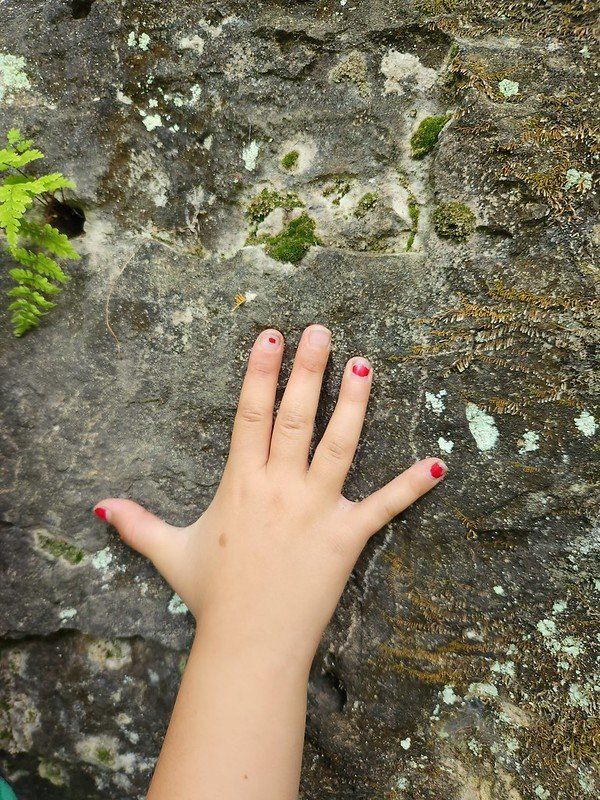
This pack rocks…literally! Explore the 458 million year old Dells and surrounding area with this pack, and really get in touch with a piece of history! Included in this pack are hand lenses, a bag of fossils to inspect, a geological calendar, and a “Mohs Scale” for testing the hardness of different rocks and minerals. 


Plant Pursuers
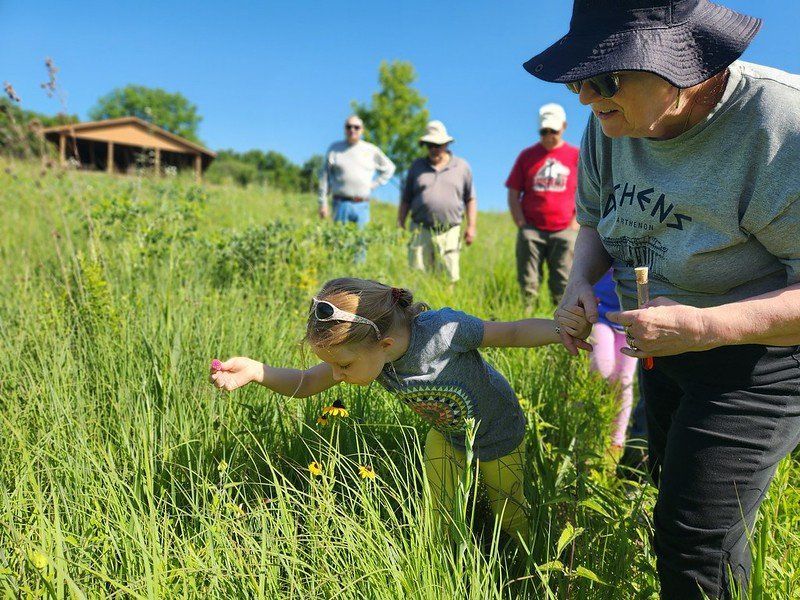
Let your imagination bloom with this pack! You can use this pack to identify trees, flowers, grasses, and more! Use the Super Secret Smellum Potion™ to unlock secret smells of the prairie (we recommend smelling the bergamot!). Take home a rubbing of your favorite leaf or bark, and be sure to check this pack out every season to see what’s growing! 

These packs are designed to inspire curiosity and foster a deeper connection with the natural world, and are packed with resources and tools to ignite a passion for exploration and discovery. 

The best part about these packs (besides all the amazing hands-on learning contained inside them)? They are completely FREE to check out! You can use a pack from 8am-4:30pm any day the Nature Center is open (Monday-Saturday). If you are a Severson Dells member, you can reserve a pack by calling 815-335-2915 or emailing admin@seversondells.org . All packs must be returned on the day they are checked out. 

So, what do you think? Are you ready to get out on the trails and explore with a Severson Dells Adventure Backpack? Come on in and then get out! We can’t wait to hear what you discover! 
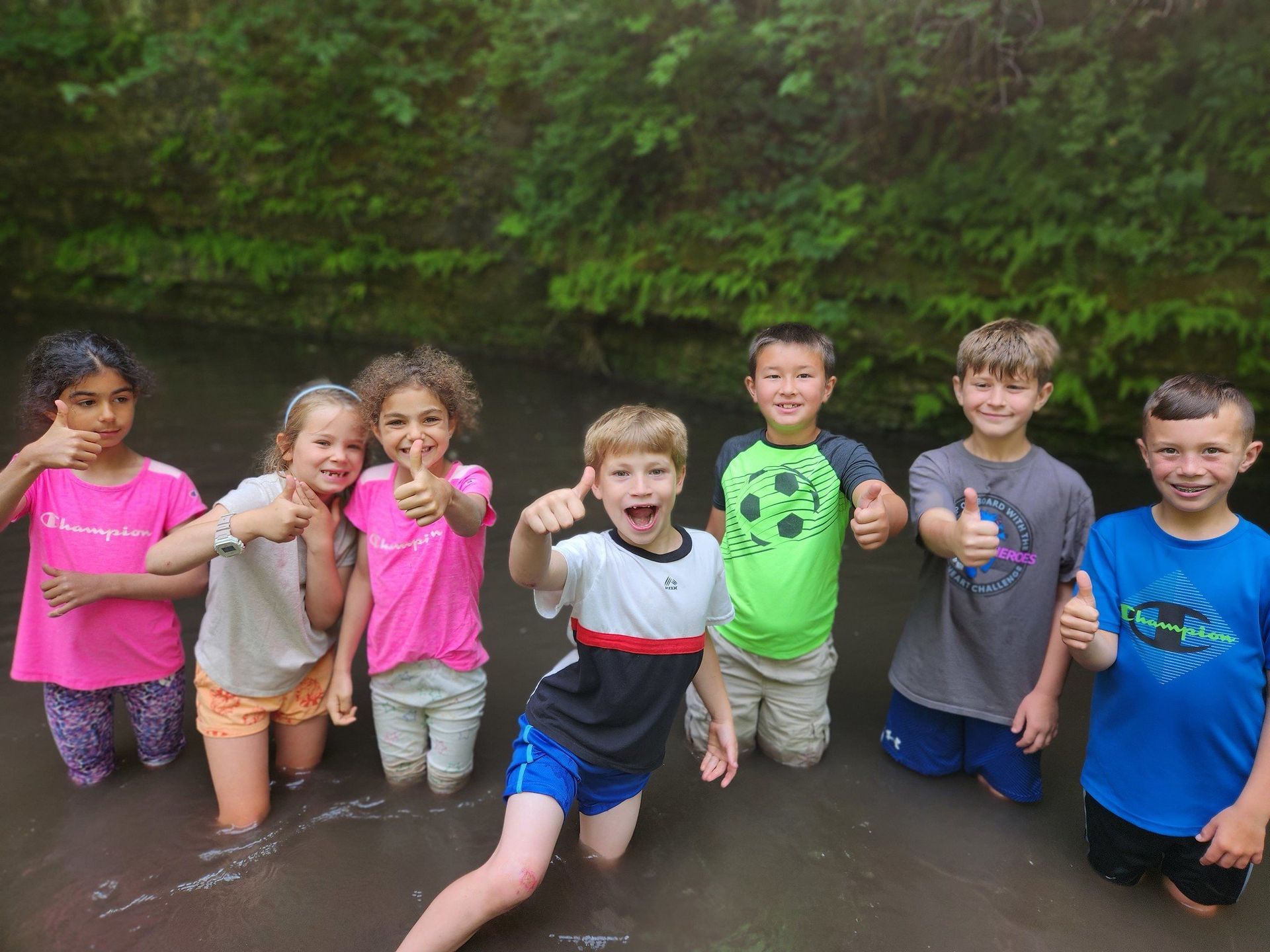
Adventure Packs are 100% recommended by severson campers, photo by sdnc staff

RECENT ARTICLES

By Emma Zimmerman February 24, 2026
For those who may not know me, I previously spent two wonderful years here at Severson Dells working in environmental education and community science, helping our community connect with the land in meaningful ways. I am so excited to announce that I am back at the nature center for the next few months! In this role, I’ll be leading all things Science Communication, so be on the lookout for educational blogs, behind-the-scenes restoration updates, and social media posts that (hopefully) make ecology feel a little less intimidating and a lot more exciting.
By education2.americorps February 18, 2026
Have you ever looked around and wondered about grass? It may not seem like there’s much to notice about the common golf course, front lawn, sidewalk adjacent sort of grass we see everyday, but if you look below the surface there’s a whole world and history. These often monochromatic, sprawling green landscapes are planted with what is referred to as turf grass, such as Kentucky blue grass, a plant imported to the United States from Europe and North Africa. This style of lawn design was brought to the U.S. from Europe during the 1700s, where long expanses of short green grasses were associated with the manicured country estates of the wealthy and upper social classes. The popularization of this cultural import co-occurred and played a role in the development of U.S. suburban culture in the late 1800s, strengthening through the mid-20th century when it became more widely actionable for people in the middle class. Turf grass now covers app. 40 million acres across the country(an area larger than the whole of Illinois). The planting of monoculture grass areas like this, where there are long stretches of only one kind of plant, came in contrast to the landscapes that grew for millenia on the place we now call the United States. These ancient landscapes were full of biodiversity, and in many areas housed ecosystems where humans functioned as just one part of a balanced set of biological processes. In Illinois specifically, native grasslands–in this region called prairies–used to cover 21 of Illinois’ 36 million acres on their own. Prairies in Illinois formed (and the .01% that still remain still form) unique and powerful living systems. Not only do they create a safe home for many animal species to go about their lives, their root systems push through soil to notable depths, with an average length between 5-15 feet, whereas the turf grass lawns discussed above have roots not digging more than 3-4 inches into the earth. The impact of these root systems is profound, creating long pathways for water absorption, microbial and mycelial growth, and the draw down of excess carbon from the atmosphere back into the earth. Just one acre of restored prairie can sequester(take out of the air and store in root systems) 160 tons of carbon a year, and absorb 65% more stormwater–or water left on the ground after it rains–than turf grass. The transformation of turf grass back to prairie has profound positive impacts on surrounding ecosystems. The restoration project at Elliot golf course will provide a prime example for residents of this region to watch as the land begins to come alive with the myriad colors, animals, and landscape benefits of a prairie in just a few years. Sources: https://www.sustainablewoodstock.org/a-history-of-the-american-lawn/ https://blog.nwf.org/2024/04/why-we-have-lawns/ https://www.fs.usda.gov/r09/midewin/natural-resources/forest-management https://www.chicagobotanic.org/blog/plant-science-conservation/lowdown-prairie https://www.chicago.gov/city/en/depts/water/supp_info/conservation/green_design/natural_landscaping.html https://files.dnr.state.mn.us/assistance/nrplanning/community/roadsidesforwildlife/putdownroots_poster.pdf https://www.onlyraindownthedrain.com/kids/ https://www.nature.com/articles/s41467-024-46991-5?fromPaywallRec=false
By Olivia Price February 18, 2026
Rivers move and snow falls and hillsides weather while tectonic plates settle snugly across the crust of our earth. The wind blows and trees bow down on stormy days, and deep under our feet the molten parts of our planet’s body flow, as above our heads we see the wispy clouds marking the flow of airs of our sky swirling just the same. Just beyond these skies we see the moving pinpricks and round splotches of light which cross our eyelines through each daily cycle, marking just one of the myriad multiscale rotations of our planet, solar system, and galaxy.