FIELD NOTES BLOG
Severson Sixteen Animal Tournament!
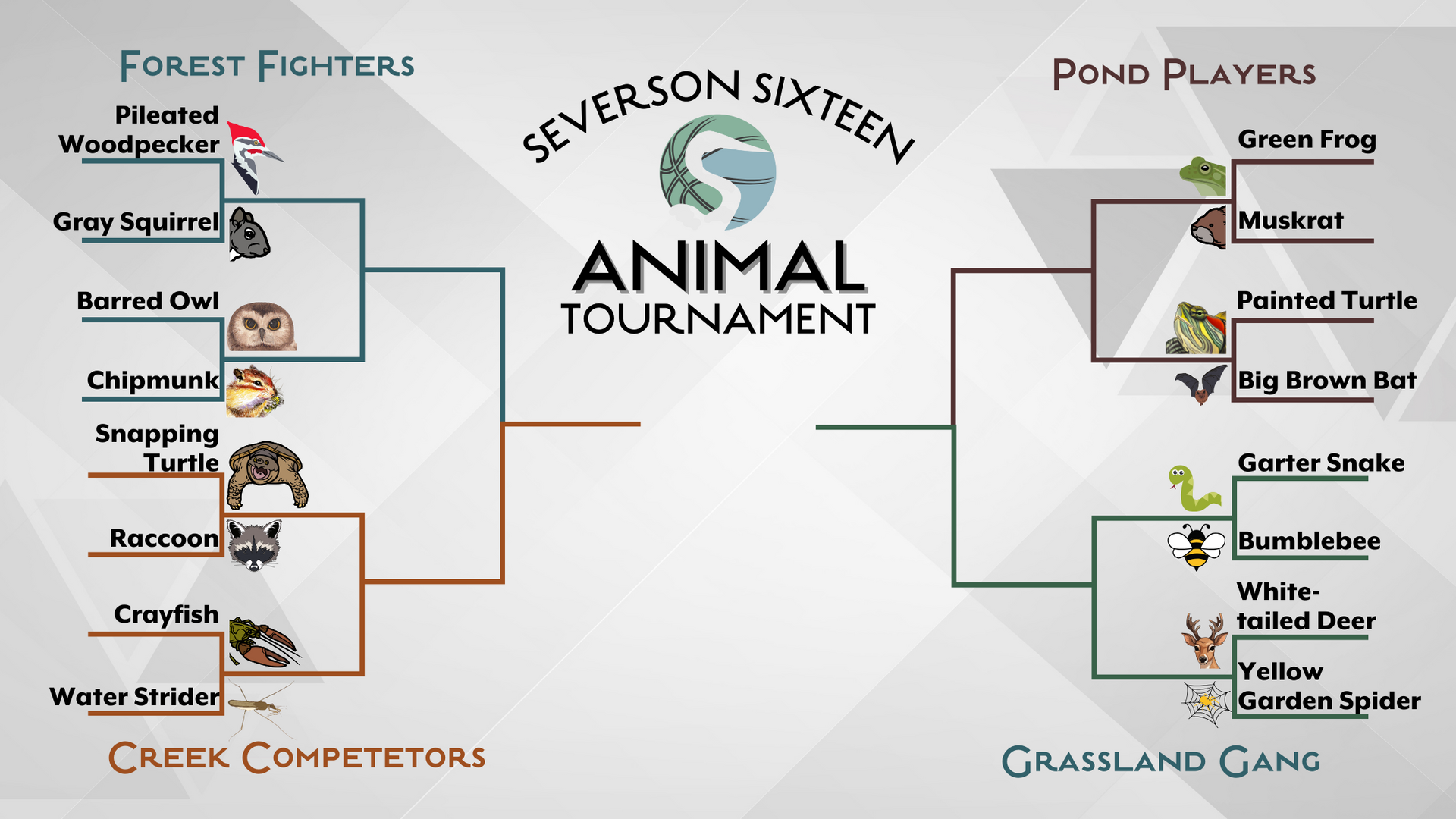
March Madness is finally here, and we’ve decided to host a little tournament of our own to get into the competitive spirit! For the rest of March, you can visit our Instagram and Facebook pages to vote for your favorite Severson critter. Who will be the ultimate winner? Only time will tell!
We’ve broken the competition into four Habitat Arenas: Forest, Creek, Pond, and Prairie. Although our official tournament is based solely on the number of votes each competitor gets (not the most scientific of competitions), we also wanted to think about who would actually win in a fight between these animals. Obviously, for most of these pairing, the animals in question would have no reason to directly compete against one another, let alone “fight”, but in the spirit of March Madness and silly bracket tournaments, let’s imagine they did!
Let’s take a look at our first round:
Forest Fighters
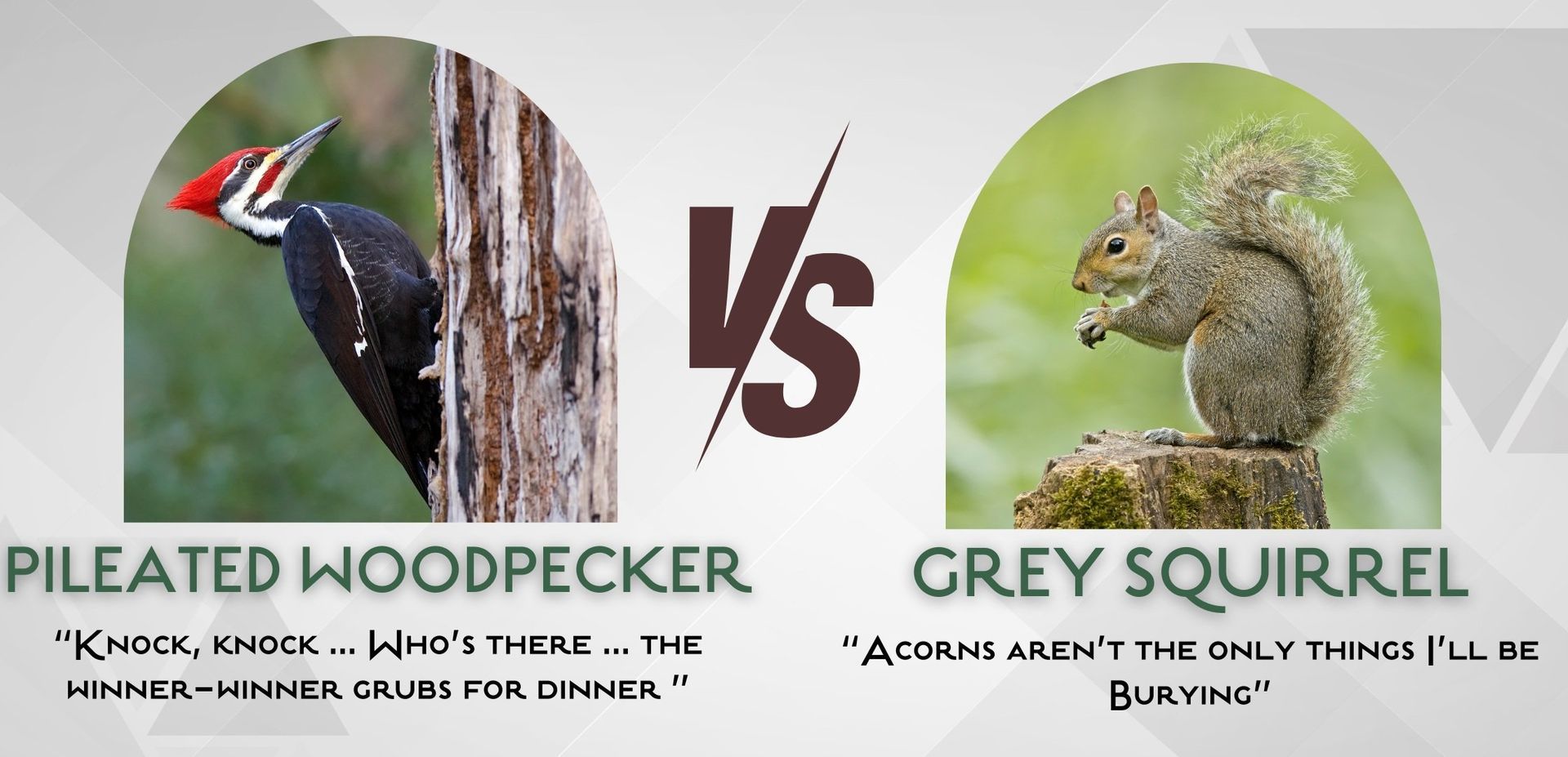
Our first matchup from the Forest Arena pitted the gray squirrel against the pileated woodpecker . This fight comes down to weight-class. Gray squirrels outweigh the pileated woodpecker by about 6 oz (0.4 lbs), putting the woodpecker at a disadvantage. Although woodpeckers are known for being aggressive fighters they can't compete with the strong teeth and jaws that cannot only crack open nuts but also skulls. The eastern gray squirrel wins our first battle.
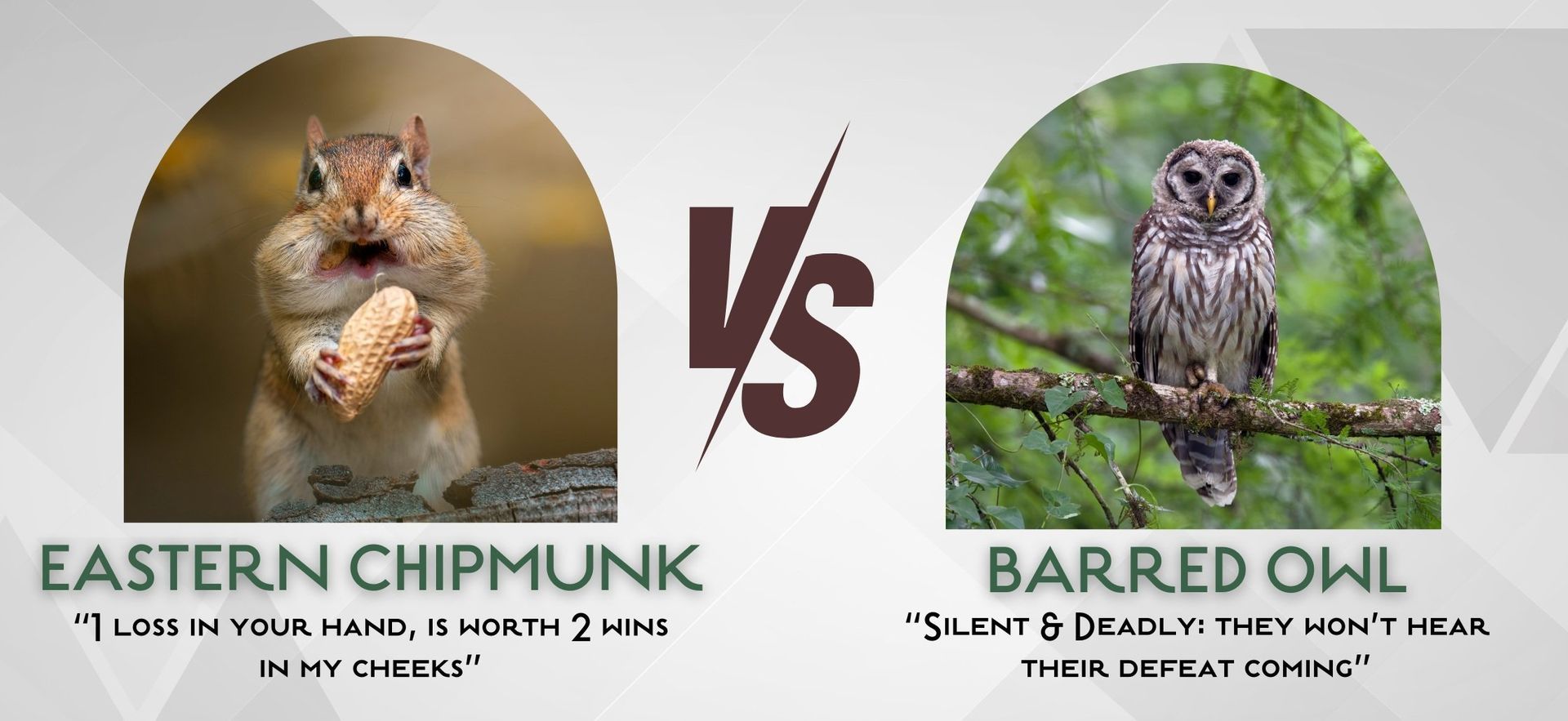
For the second match-up, barred owl versus chipmunk , we have a very clear winner. Barred owls are strong, silent predators who regularly hunt down and eat chipmunks. The chipmunk likely wouldn’t see or hear its fate coming as the barred owl swooped in as victor of this round.
Creek Competitors
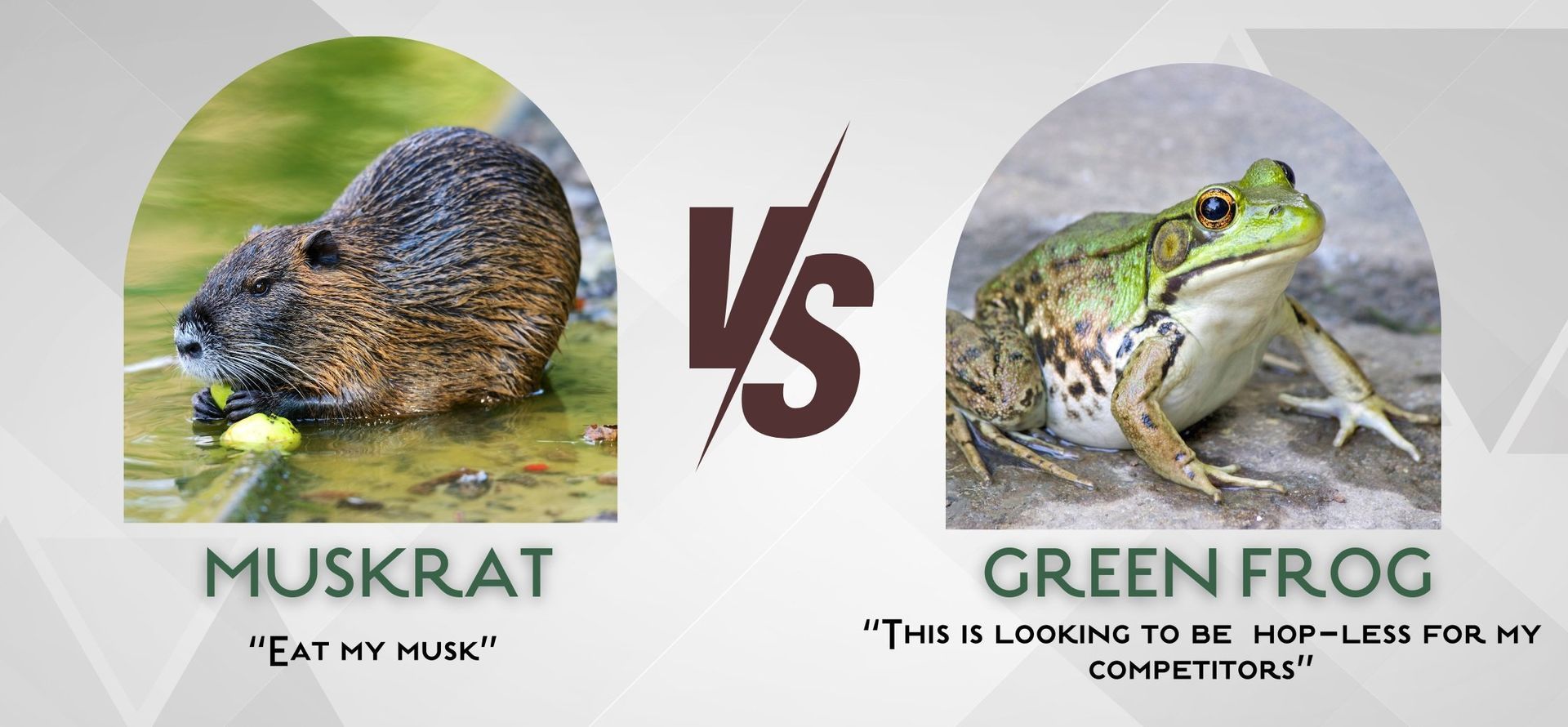
The outcome of the fight between the muskrat and green frog depends a lot on the battlegrounds. On land, the muskrat could use their sharp front claws to do some serious damage, and the frog would have a difficult time defending itself. Under water, however, the green frog would likely win by default after the muskrat is forced to forfeit after 15-20 minutes to return to the surface for air. Since this is the Creek arena, we will assume the battle takes place under water, giving the green frog the upper hand.
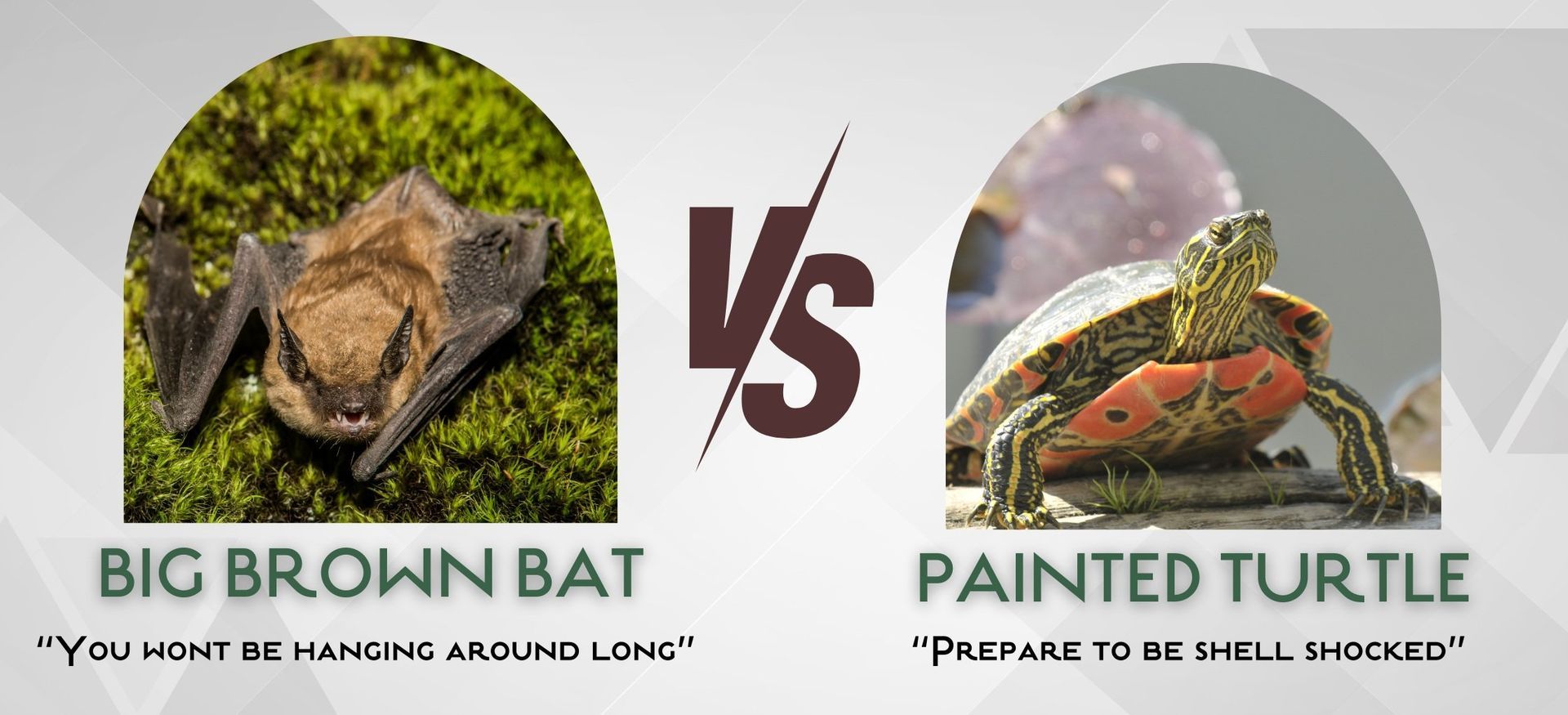
The painted turtle and the bat both have very different habitats, so the arena of this battle would once again make all the difference. Although the bat has the benefits of speed and flight, the painted turtle’s thick shell and sharp claws give them the advantage in both defense and attack. Our insectivorous big brown bat wouldn’t stand a chance against the painted turtle.
Pond Players
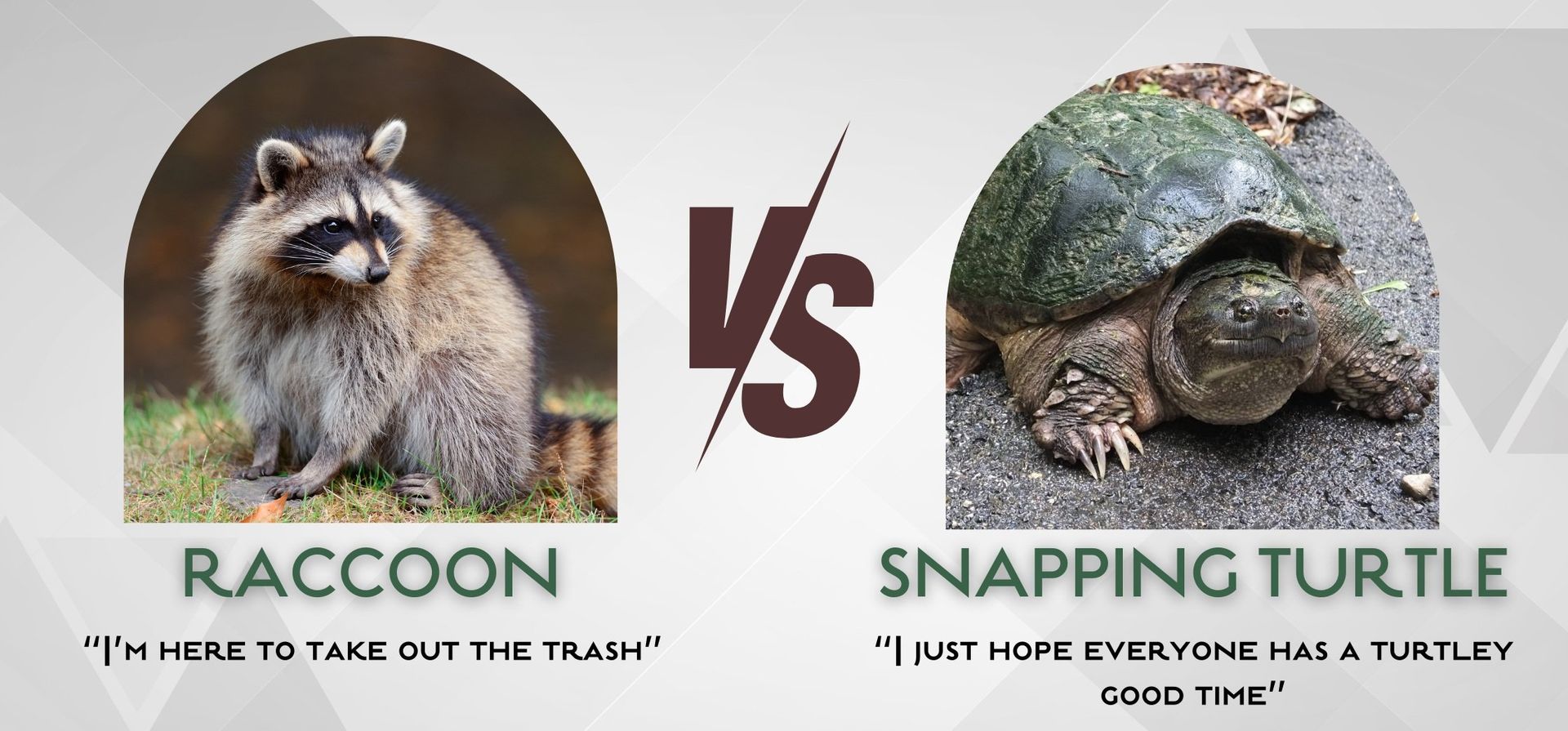
Raccoons would only have the upper hand over a snapping turtle if the turtle was very young. Adult snapping turtle shells are too thick and hardy for a raccoon to have much of an impact, even with their clever tricks and dexterous hands. One swift bite from the snapping turtle and it’s all over for our “trash panda” friend. Also, with an average life expectancy of 40 years, the snapping turtle could just wait out the raccoon and still be the victor in the long run!
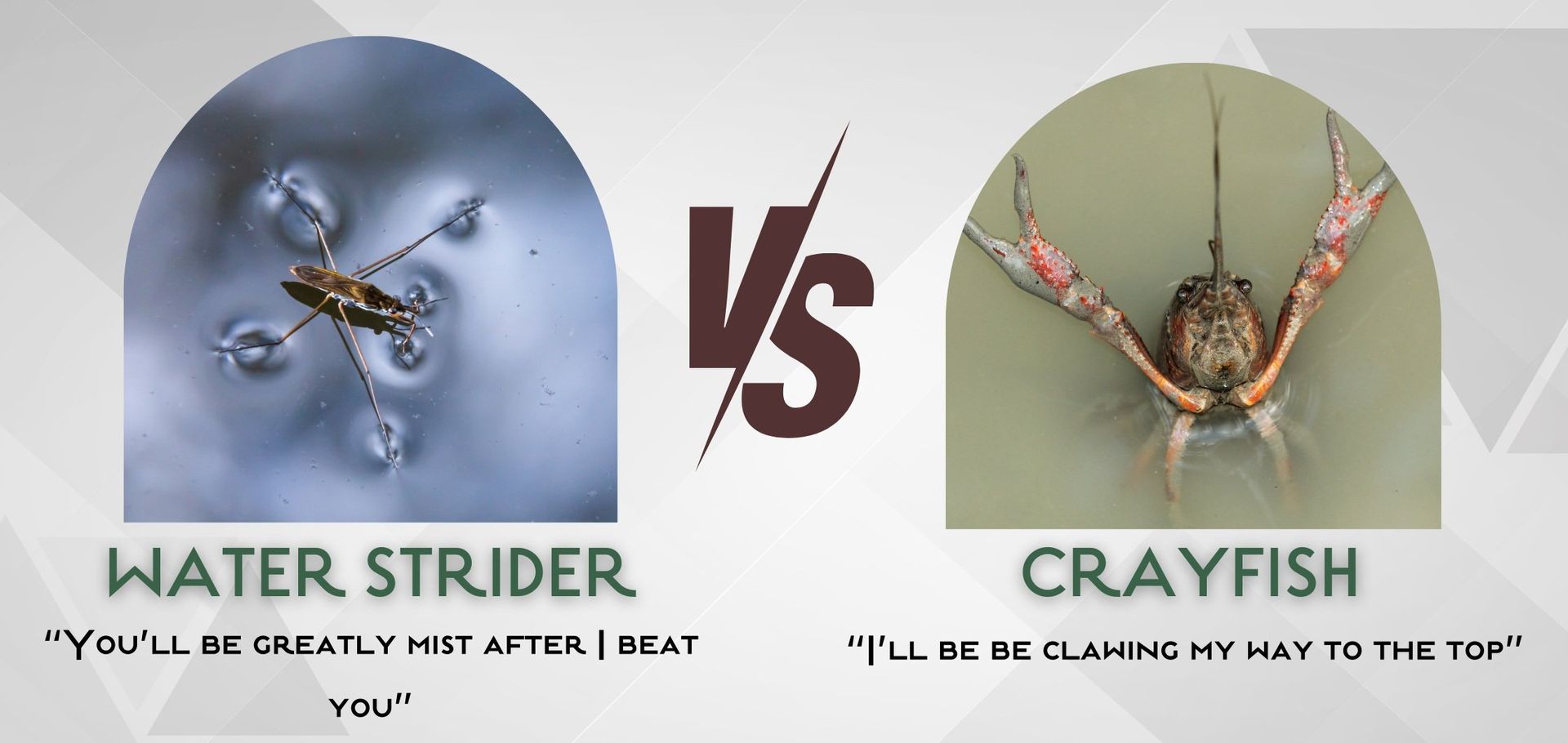
Next up, we have the crayfish vs. water strider ! With their large pinching claws and built-in body armor, the crayfish is the obvious favorite in this battle. Despite having a speed advantage, the water stride would struggle to inflict any damage on the crayfish, so in a head-to-head battle, we would expect the crayfish to come out on top. Luckily for real-life water striders, they spend their time on the water’s surface, so they don’t need to worry too much about the crayfish beneath them.
Grassland Gang
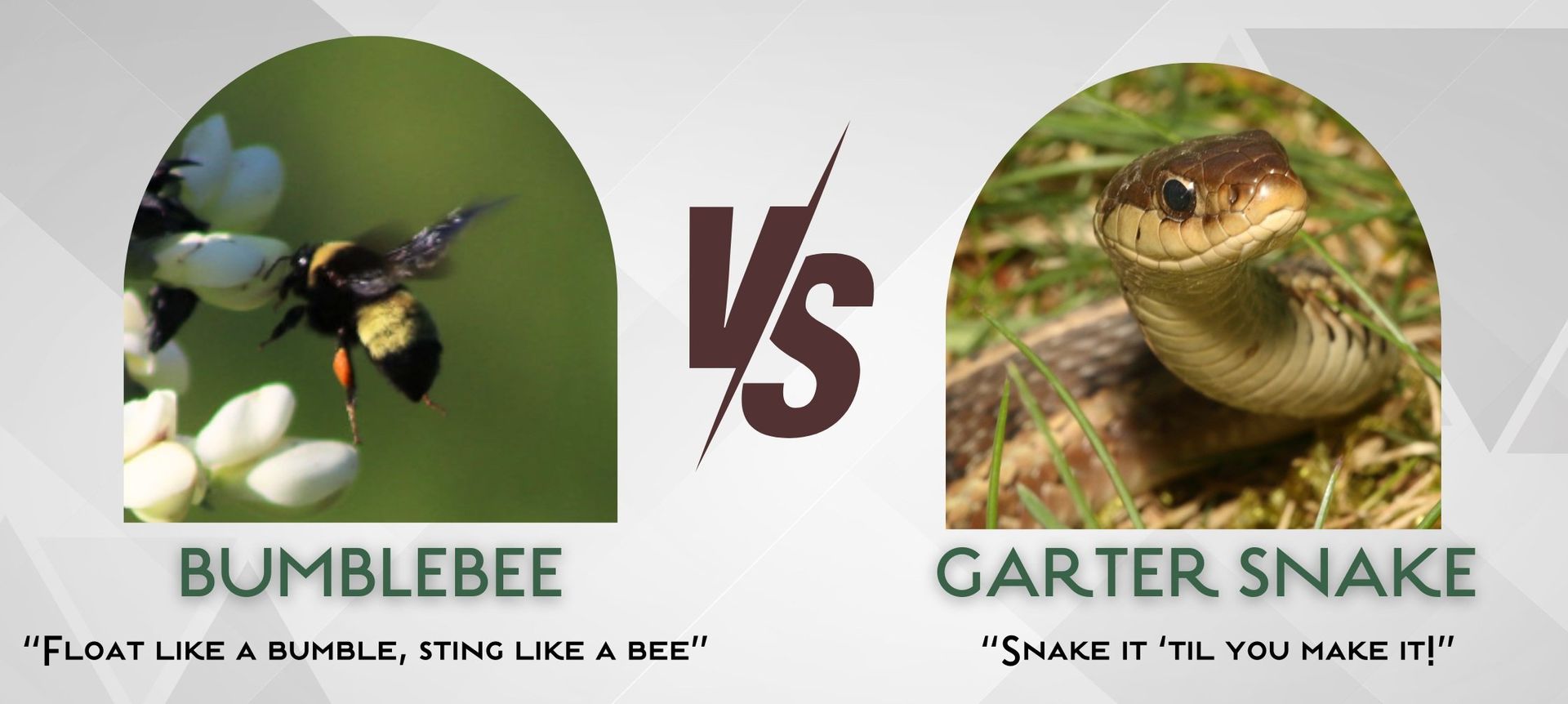
The garter snake vs. bumblebee battle is tough to imagine because both “fighters” are actually very non-aggressive. But, let’s imagine a hungry garter snake stumbles upon a nest of bumblebees in the prairie (since bumblebees nest in holes in the ground, the garter snake would have easy access to the whole colony). Unfortunately for the garter snake- who eats its prey whole- bumblebees are capable of stinging multiple times when they feel threatened, and we would imagine swallowing a grumpy, stinging bumblebee would not be very pleasant, especially when combined with many more bees stinging you externally for attacking their nest, so the garter snake would not want to stay in this situation for long. For their ability to defend their nest and sting multiple times, the bumblebee is our winner.
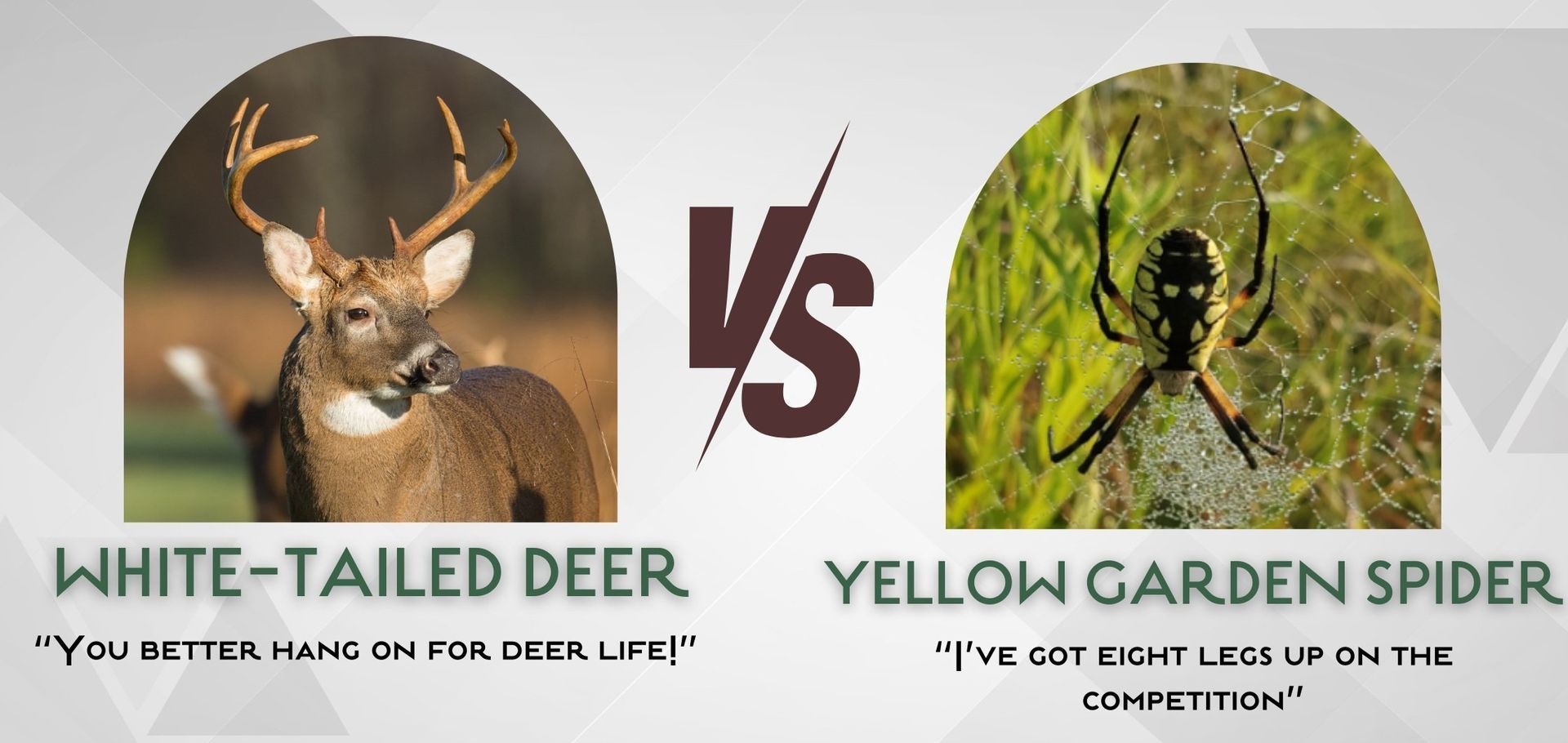
For our next battle, the white-tailed deer will go against the yellow garden spider . Despite how many people fear spiders, the yellow garden spider is sadly not the best competitor. Their venomous bite is only effective against insects and other small invertebrates, which is unhelpful against something as large as a deer. The way I see this fight going down, the white-tailed deer inadvertently (or maybe on purpose, who can say?) walks through the spider's web, stepping on its opponent. White-tailed deer emerges victorious!
Victors
Congratulations goes out to the winners of each of these battles: gray squirrel, barred owl, green frog, painted turtle, snapping turtle, crayfish, bumblebee, and white-tailed deer! Who do you think would win in round 2?
RECENT ARTICLES