Welcome to our Field Notes Blog! Here you will find local environmental and natural science news for our northern Illinois region and beyond.

*please note: This blog was adapted from a blog series authored in 2023.
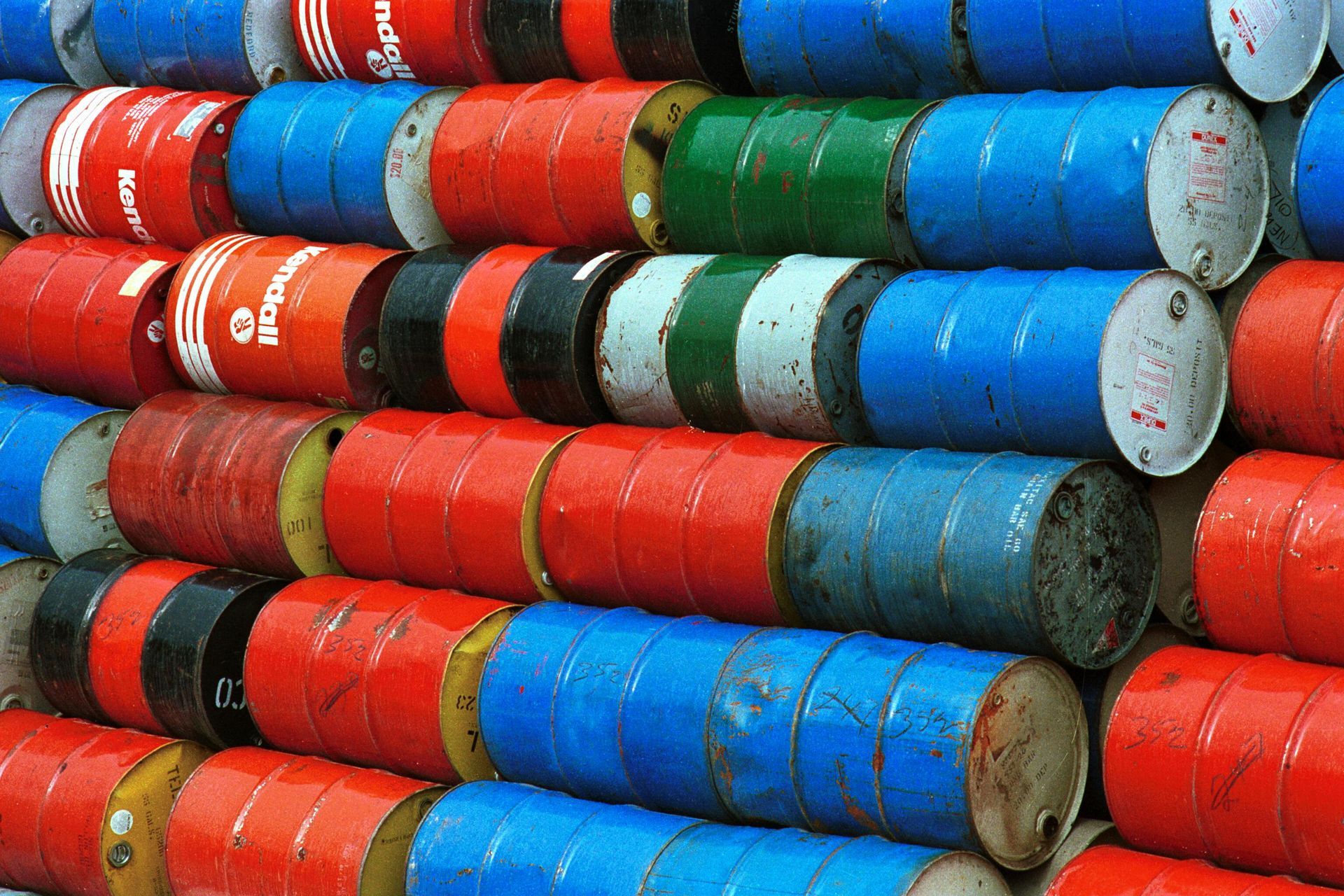
How to Safely dispose of common corrosive and hazardous household materials
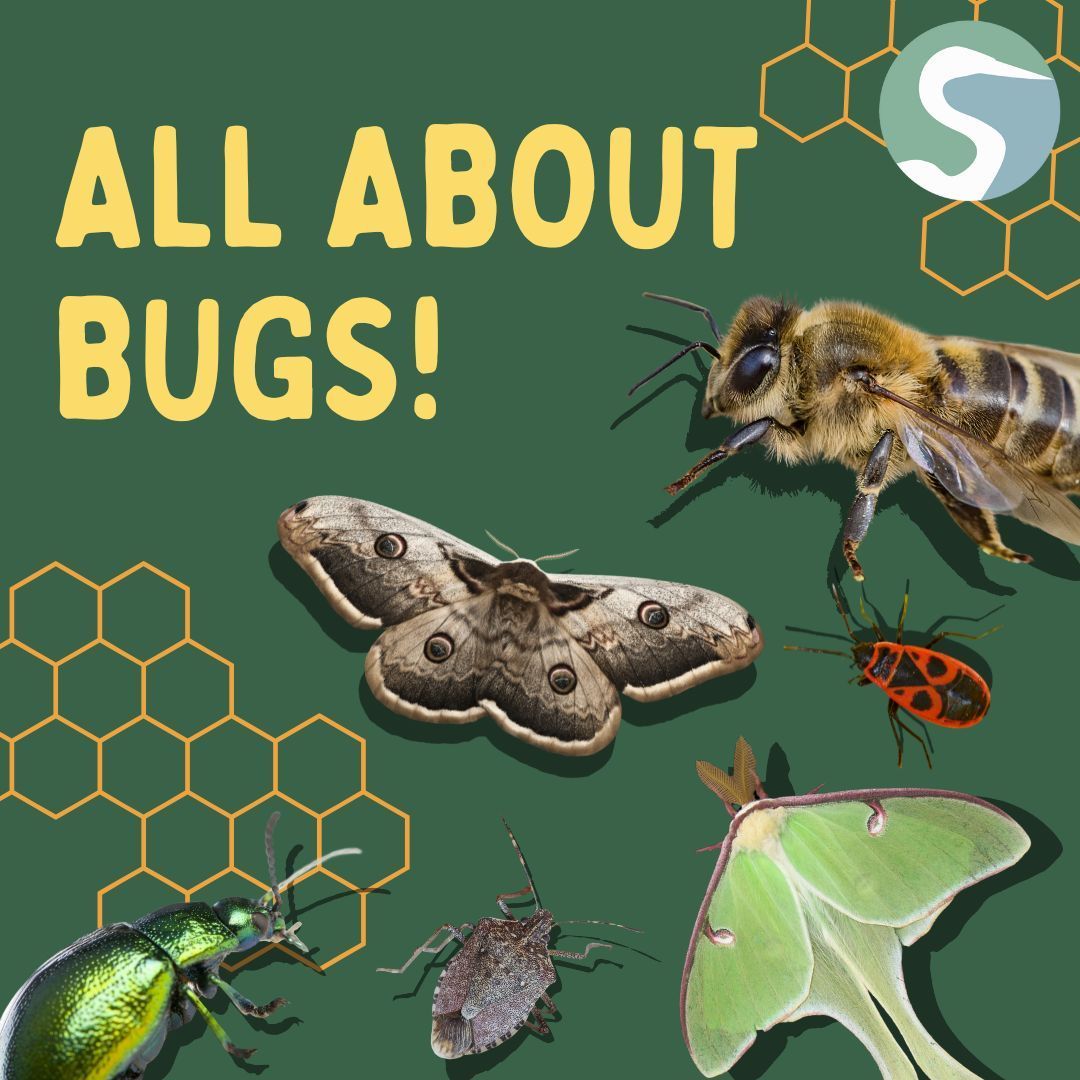
When you think of summer in Illinois, you might picture swaying prairie grasses, tall oak trees, and, if you’re outside long enough, bugs. From the fireflies that light up July evenings to the pesky mosquitoes biting your ankles during a bonfire, insects are an inescapable part of our landscape. But they’re not just a buzzing background, bugs play essential roles in our ecosystems, gardens, and food systems. While some invasive insects threaten local biodiversity, most bugs are crucial contributors to a healthy environment. Insects are often overlooked– or worse, feared–but many are performing essential ecological services every day, and they deserve our thanks!
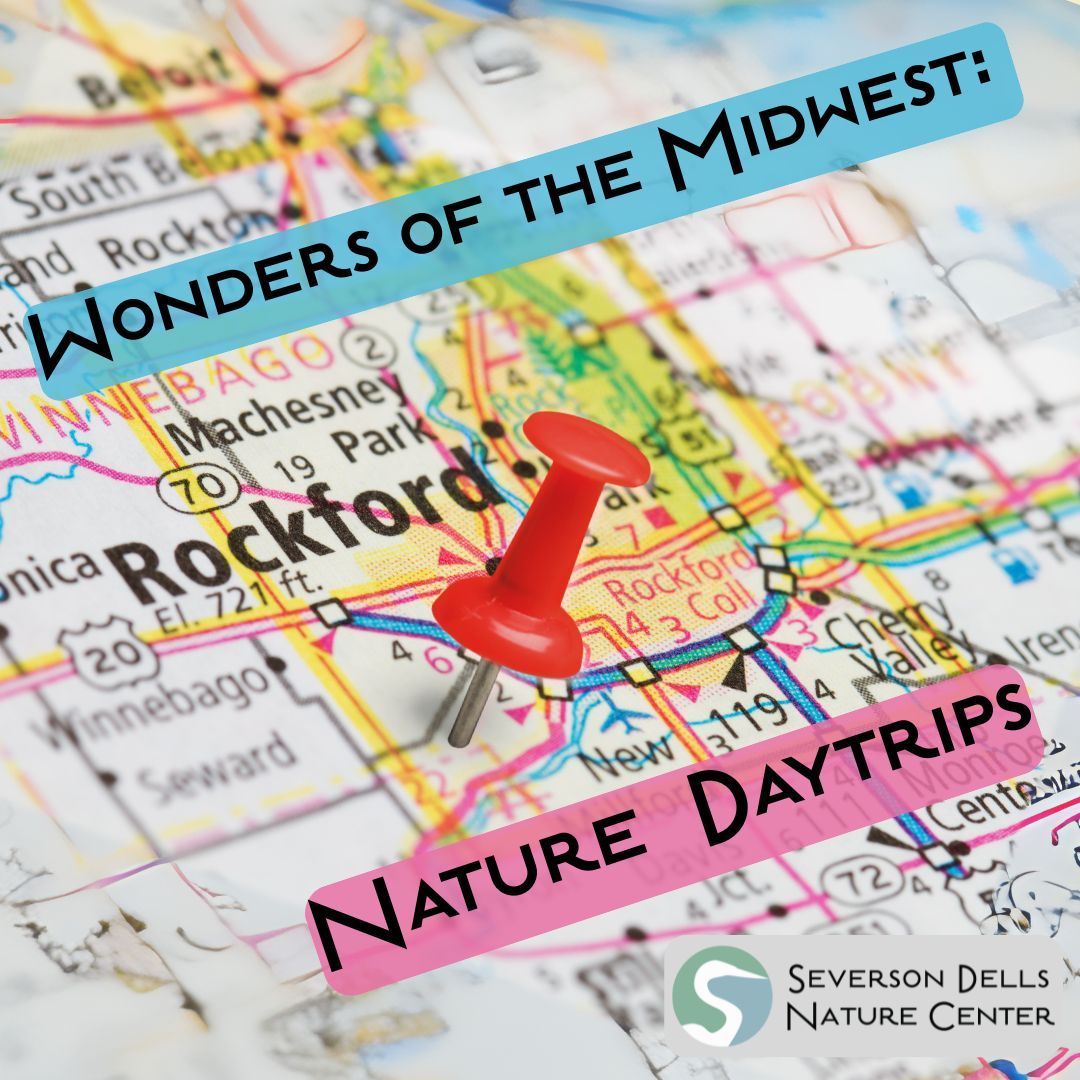
As a New Yorker who has had the opportunity to be in the Midwest for the first time since I moved here in October, there has been no shortage of environmental wonders to explore to my heart’s content. Here is my list of the wonders of the Midwest, which includes a few places I have visited and a few places I have yet to check out. All of these gardens and parks are within Rockford or a 3-hour drive of Rockford, perfect for a day trip!
Please note: This blog was originally published by Jillian Neece on August 10, 2023, but has been updated to reflect numbers as of June 2, 2025. This summer, like every summer at Severson Dells, has been filled with laughing campers, stunning prairie wildflowers, and explorations in the creek. But this summer has also brought record breaking heat and some of the worst air quality the area has ever seen due to wildfires in Canada and the western United States. There are currently 174 active wildfires burning throughout Canada, and 44% of those are considered “out of control.” In the United States, there are currently 7 fires burning throughout 6 states, and only 3 are considered contained. Most experts predict that many of these fires will continue throughout the summer and fall. So, I figured it was time for a deep dive on wildfires!
Encouraging children to spend time outside is essential. However, this is not a new concept; in fact, many people are already aware of the benefits of kids spending time outdoors! Examples, including getting vitamin D from sun exposure, exercise, and educational opportunities, have been highlighted in articles that urge parents to take action. But many more reasons can be used to convince further nature skeptics. Spending time outside is great for fostering curiosity and autonomy in children. These are both valuable traits that kids carry with them into adulthood. Going outdoors also builds resiliency and critical survival skills. Who knew that letting kids play outside can help improve their safety! Finally, allocating some of a child’s day to being outside can further connections with the real world, such as deepening understanding of a sense of place, and relationship development with food systems.
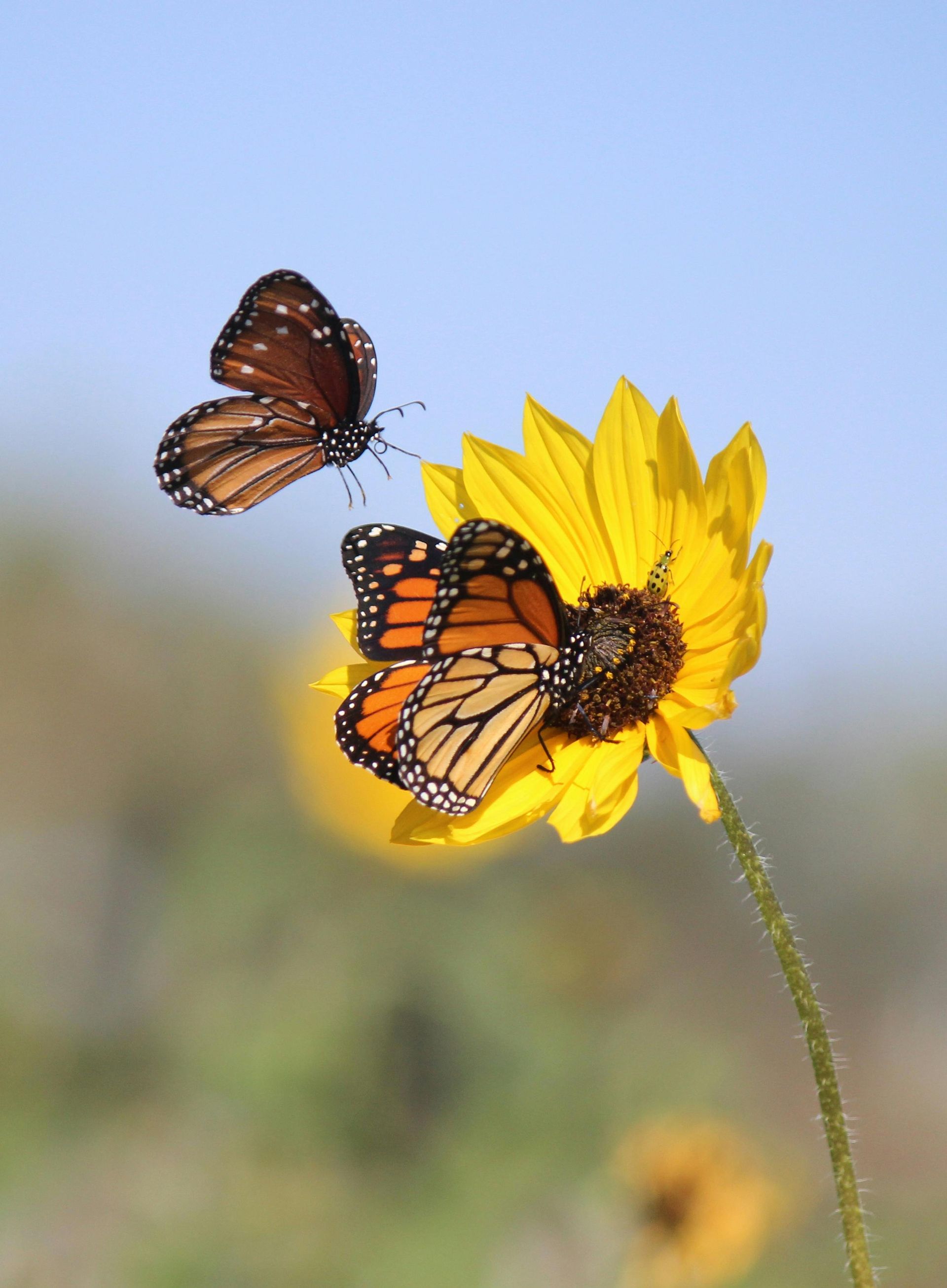
Take a look outside. Most of the flowers, trees, and plants you see exist because of a special group of insects and animals that transfer pollen from one plant to another. These insects and animals are referred to as pollinators, and they are essential for plant reproduction. Around three-fourths of the world’s flowering plants and about one-third of the world’s food crops depend on animal pollinators to reproduce! Pollinators do a lot for life on earth, and without them, our earth would look vastly different.
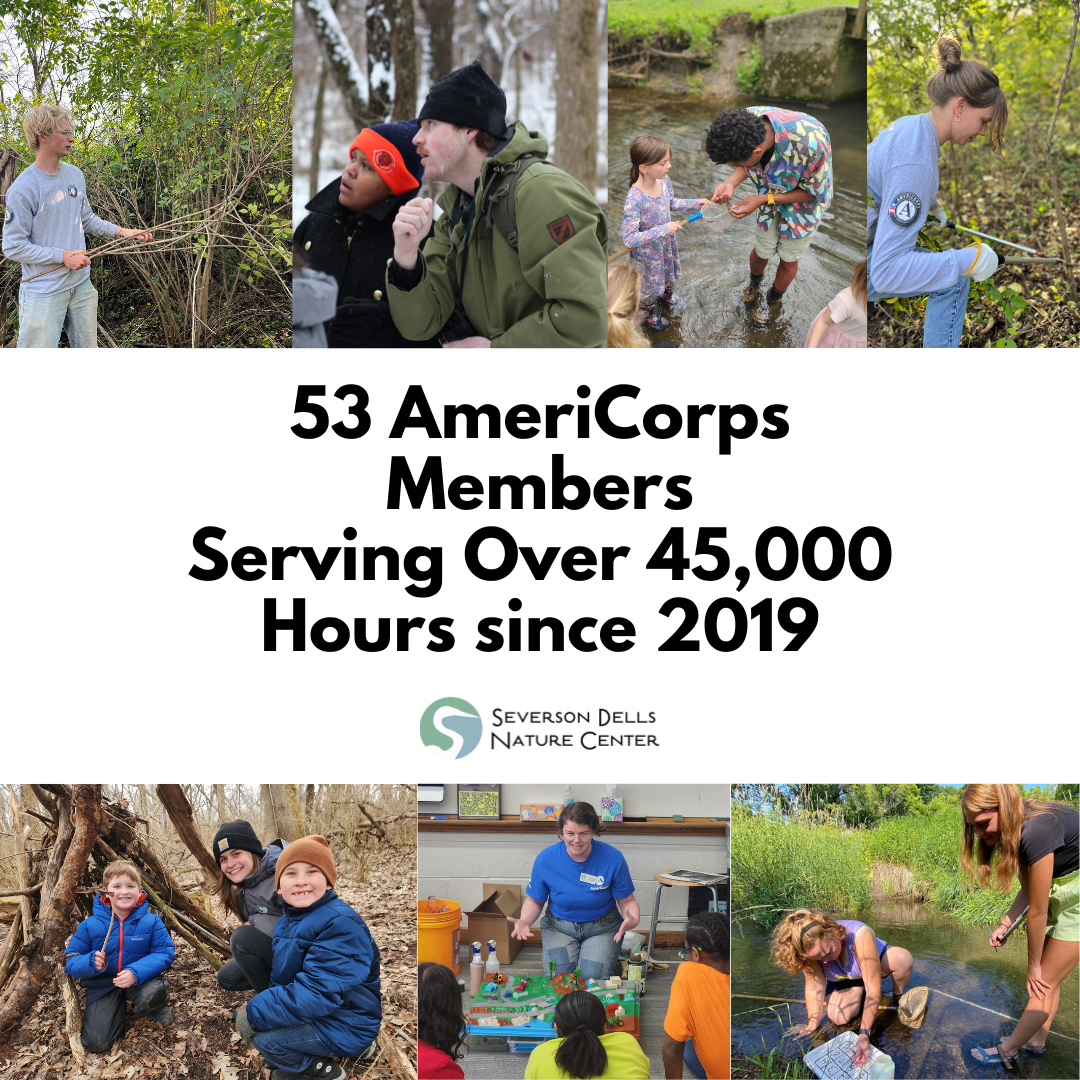
Impacts on Members, the Community and Severson Dells
Forward:
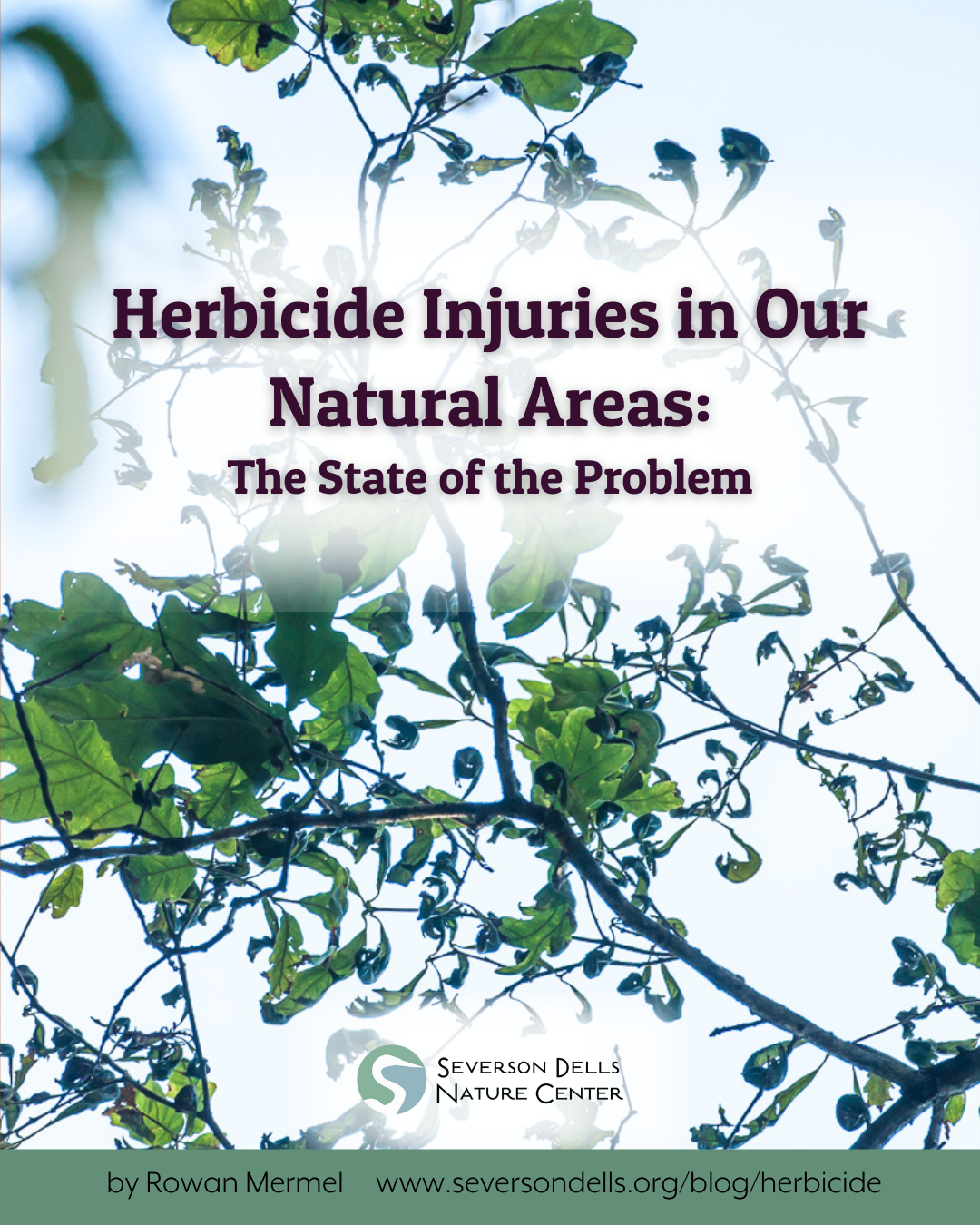
“Once you see it you can’t unsee it”
From the rugged peaks of the Rocky Mountains to golden desert canyons, the rolling prairies to the ancient, mist-shrouded Appalachian mountains — America is a land rich in many beauties. We are home to the towering redwoods of the west coast, sun-drenched coastlines in the south, and the deep blues of the Great Lakes that collectively hold the largest volume of freshwater on Earth. These wild places offer a kind of quiet that stirs the soul. This vast, varied land is what we proudly call “America the Beautiful.” And on Earth Day, this is the America we celebrate. We scroll through snapshots of National Parks, photos of mountain trails, canyon vistas, tidepools, and wildflower filled prairies. Maybe we've seen these places with our own eyes — maybe we carry them like a dream we hope to one day reach. We’ve all, in some way, been struck by the beauty of this land. As I write these words, I’m sitting at my desk looking out the window into the woodland of Severson Dells, watching the first green buds emerge, listening to the fluting whistles of returning songbirds. How lucky are we to live among such beauty? But that beauty is in danger. Today, mountaintops in Appalachia are being blown apart for coal, their peaks stripped and valleys buried in rubble. Ancient forests in the Pacific Northwest are leveled for lumber, their centuries-old trees felled in minutes. Oil rigs rise like metal skeletons in Alaska’s fragile tundra, while pipelines thread through sacred Indigenous lands and important wildlife corridors. Wetlands that once buffered our coastlines from hurricanes are drained and filled. Prairies, once stretching unbroken across the heart of the continent like an ocean of grass, are disappearing under pavement and plow. Our coastlines are receding. Our coral reefs, once vibrant, are dying, bleaching bone-white. Even here, outside my window, invasive honeysuckle strangles the understory where spring ephemerals once bloomed, and the chorus of birds is quieter than it used to be — a stark reminder that nearly one-third of North American bird populations have vanished in the past fifty years. But this isn’t a new story. Ours is not the first generation to witness the cost of ‘progress’. The tension between beauty and destruction has shaped this nation since the Industrial Revolution. And while the challenges we face today are daunting, they are not insurmountable. Every year, on April 22nd, we celebrate Earth Day – a day that itself was born from a moment not unlike our own. America of the 1950’s and 60’s is almost unrecognizable from the America we know today. In 1943, Los Angeles residents awoke one morning to skies so dark and chemical-laden they feared they were under a gas attack . It was smog. Just 5 years later, a lethal blanket of smog from zinc smelters in Pennsylvania killed 20 people in just three days . The Merrimack River in New Hampshire ran a different color each day , depending on what the local mills were dumping. And in 1969, Cleveland's Cuyahoga River — thick with oil and industrial waste — burst into flames , its smoke billowing four stories high. These weren’t isolated incidents. They were the symptoms of a larger crisis—one brought on by decades of industrial expansion with few, if any, environmental safeguards. At the same time that America was enjoying unprecedented prosperity, it was also polluting its air, poisoning its rivers, and sickening its people. The economy boomed, but the environmental consequences were growing harder to ignore. In 1962, a marine biologist named Rachel Carson published Silent Spring, a book that would become a cornerstone of the modern environmental movement. Carson’s work focused on the effects of chemical pesticides—especially DDT—on ecosystems and human health. She warned of a future without birdsong, where toxins accumulated in the food chain and sickened both wildlife and people. Silent Spring struck a chord. It didn’t just present scientific facts, it gave voice to a deep, growing unease. People were already noticing the changes around them: the absence of fireflies in summer, the increasing number of fish kills in local lakes, the haze that lingered over cities for days. Carson’s words helped connect the dots, and it didn’t just inform, it inspired, and from it spurred the beginning of the environmental movement. By the late 1960s, a wave of activism was sweeping the country. Young people were leading protests against the Vietnam War, civil rights leaders were marching for justice, and college campuses had become hotbeds of political energy. Watching this cultural shift with inspiration was Senator Gaylord Nelson of Wisconsin. A long-time advocate for environmental protection, Nelson saw how the antiwar movement had galvanized young people—and he wondered whether that same passion could be channeled into fighting a different kind of crisis: the growing threat to America’s air, water, and land. His sense of urgency only deepened in early 1969, when tragedy struck the California coast. A blowout at a Union Oil drilling platform off the coast of Santa Barbara spilled nearly 100,000 barrels of crude oil into the Pacific Ocean . Black sludge washed up on miles of pristine beaches. Seabirds lay dying under slicks of oil. Dolphins and seals washed ashore. The air reeked of petroleum for weeks. The images were devastating—and they were broadcast into homes across the nation. Senator Nelson knew the time to act was now. In November of that year, he announced plans for a "National Teach-In on the Crisis of the Environment" —a day when Americans would come together to learn, protest, and push for meaningful environmental change. This name was later changed to Earth Day, and the date chosen was April 22, 1970—strategically placed between spring break and final exams to ensure strong participation on college campuses. To bring this ambitious vision to life, Nelson turned to Denis Hayes, a 25-year-old student activist. With Hayes’ help, a 7 month timeline, and a shoestring budget of just $124,000, Earth Day sparked an unprecedented nationwide movement. College campuses began planning teach-ins and events. Newspapers picked up the story. Civic groups, churches, and schools joined in. The momentum built quickly—and organically. Within a few months, the Earth Day idea had become a nationwide grassroots event supported by millions of people. Colleges campuses across the country organized “teach- ins”, and major newspapers were writing about Senator Nelson's ideas. Earth Day may have been Gaylord Nelson’s idea, but American citizens made it happen. “Earth Day worked because of the spontaneous response at the grassroots level,” reflected Gaylord Nelson. “It organized itself.” Historian Adam Rome would later call it “the most famous unknown event in modern American history.” On April 22, 1970, an estimated 20 million Americans—nearly 10% of the U.S. population at the time —participated in what remains the largest single-day political demonstration in the nation’s history. People from all walks of life gathered for marches, cleanups, rallies, and teach-ins. The message was clear: the environment mattered, and the public was ready to fight for it. What made Earth Day so powerful was not just its scale, but its unity. The movement crossed ideological lines. It was bipartisan, supported by both Democrats and Republicans. At a time of deep national division, Earth Day reminded Americans that the health of our planet is a shared responsibility—and a common cause. Even more remarkable is that this enormous, coordinated event was pulled off without the tools we rely on today. No social media. No email. No cell phones. Just passionate people, printed flyers, rotary phones, and the belief that change was possible. The success of Earth Day didn’t just move the public—it resonated with leaders in Washington, and led to real change. In just a few years, the United States went from having almost no federal environmental policy to enacting an environmental policy infrastructure strong enough to slow down the era of unregulated industrial sprawl to protect our planet and public health. The success of the first Earth Day led to the passage of some of the most important environmental legislation in American history, including: The Clean Air Act (1970) The Clean Water Act (1972) The Endangered Species Act (1973) President Richard Nixon oversaw the establishment of the Environmental Protection Agency and signed the above landmark environmental laws into effect. In a 1970 speech, Nixon captured the spirit of the moment with a message that still rings true today: “The great question of the seventies is, shall we surrender to our surroundings, or shall we make our peace with nature and begin to make reparations for the damage we have done to our air, to our land, and to our water? Restoring nature to its natural state is a cause beyond party and beyond factions. It has become a common cause of all the people of this country. It is a cause of particular concern to young Americans, because they, more than we, will reap the grim consequences of our failure to act on programs which are needed now if we are to prevent disaster later. Clean air, clean water, open spaces—these should once again be the birthright of every American. If we act now, they can be. We still think of air as free. But clean air is not free, and neither is clean water. The price tag on pollution control is high. Through our years of past carelessness we incurred a debt to nature, and now that debt is being called. ” In the years that followed the first Earth Day, America made progress—rivers stopped catching fire, cities began to breathe a little easier, and wildlife rebounded. But the work was never meant to end in the 1970s. Earth Day is a reminder that the environment is not a limitless resource, and that protecting it requires action, accountability, and cooperation. Fifty five years later we face new environmental challenges, but Earth day is a reminder of what we can accomplish when we come together, regardless of party or background, to protect the natural world we all share. Today, the landmark pieces of legislation that were established in the 1970’s are under threat. The first hit to the Clean Water Act was the U.S. Supreme Court’s 2023 decision in Sackett v. EPA, which significantly narrowed the Act's scope, limiting protections for wetlands and many streams. This ruling has led to a significant weakening of federal oversight. More recently, the EPA has announced significant changes to the Clean Water Act that potentially puts the drinking water sources for tens of millions of Americans at risk. As for the Endangered Species Act, there is a proposed rule change that would limit violations of the Act only to actions that hurt or kill animals. Harming the habitats the endangered animals need to survive would no longer be a violation of the Endangered Species Act, which would open large swaths of land to logging, mining and development that were previously protected. As we all know, if a species doesn’t have the habitat to survive and breed in then it will eventually go extinct. This proposed rule change is open for public comment until May 19 in the Federal Register, so please consider sharing your opinion . Additionally, there is the Zero-Based Regulatory Budgeting To Unleash American Energy Executive Order. The legal community is still trying to figure out just how far reaching this EO is, but it is likely to have a significant impact on a wide range of environmental regulations. These threats to the health of our environment put “America the Beautiful” at risk. The spacious skies, amber waves of grain, purple mountain majesties, and the fruited plain from sea to shining sea are left vulnerable. Now more than ever, Earth Day calls on all of us to act to protect our beautiful environment. Earth Day is now celebrated in over 190 countries. But its roots lie in a time when people refused to accept the destruction of the world around them as inevitable. So, what will you do this Earth Day? Because history has shown us: when people care, when they act together, the world changes. The debt to nature is still being called—and we still have the power to answer. This Earth Day, don’t just celebrate – participate. Plant a tree. Call your representatives. Learn the name of the bird outside your window. Donate to organizations that support our natural lands, our water, and our future. Vote. Teach your children not just to love the Earth, but to fight for it. Talk about climate change, even when it’s hard. Especially when it’s hard. Use your voice, use your art, use your science. Join a local cleanup, start a compost bin, reduce your plastic use. Talk to your neighbors. Talk to your parents. Talk to your children. You can’t wait for someone else to take action. You don’t need to be perfect. You don’t need to do everything. But you do need to begin. Because the Earth doesn’t need more perfect people, it needs millions of imperfect people who care enough to act with intention everyday. Sources: Klein, Ezra, and Thompson, Derek. Abundance . Simon & Schuster, 18 March 2025 “Gaylord Nelson & Earth Day Origins.” Nelson Earth Day , https://nelsonearthday.net/gaylord-nelson-earth-day-origins/ . Accessed 18 Apr. 2025. Gammon, Katharine. “The Deadly Donora Smog of 1948 Spurred Environmental Protection—But Have We Forgotten the Lesson?” Smithsonian Magazine , 26 Oct. 2018, https://www.smithsonianmag.com/history/deadly-donora-smog-1948-spurred-environmental-protection-have-we-forgotten-lesson-180970533/ . Accessed 18 Apr. 2025. Lamoreaux, Naomi. “The 1943 Hellish Cloud Was the Most Vivid Warning of L.A.'s Smog Problems to Come.” Smithsonian Magazine , 15 Jan. 2018, https://www.smithsonianmag.com/smart-news/1943-hellish-cloud-was-most-vivid-warning-las-smog-problems-come-180964119/ . Accessed 18 Apr. 2025. “The Merrimack River: How Revisiting Its History Helps Renew Action.” Forest Society Blog , Society for the Protection of New Hampshire Forests, 26 Sept. 2022, https://www.forestsociety.org/blog-post/merrimack-river-how-revisiting-its-history-helps-renew-action . Accessed 18 Apr. 2025. Pyne, Stephen J. “The Cuyahoga River Caught Fire at Least a Dozen Times, but No One Cared Until 1969.” Smithsonian Magazine , 22 June 2019, https://www.smithsonianmag.com/history/cuyahoga-river-caught-fire-least-dozen-times-no-one-cared-until-1969-180972444/ . Accessed 18 Apr. 2025. Westervelt, Eric. “How California’s Worst Oil Spill Turned Beaches Black and the Nation Green.” NPR , 28 Jan. 2019, https://www.npr.org/2019/01/28/688219307/how-californias-worst-oil-spill-turned-beaches-black-and-the-nation-green . Accessed 18 Apr. 2025.

Disclaimer: Severson Dells Nature Center is not a medical provider and is not giving medical advice in the following article. Please consult a licensed medical professional for any questions regarding your personal health.