FIELD NOTES BLOG

Meet Bryce

Bryce Messer
January 30, 2024

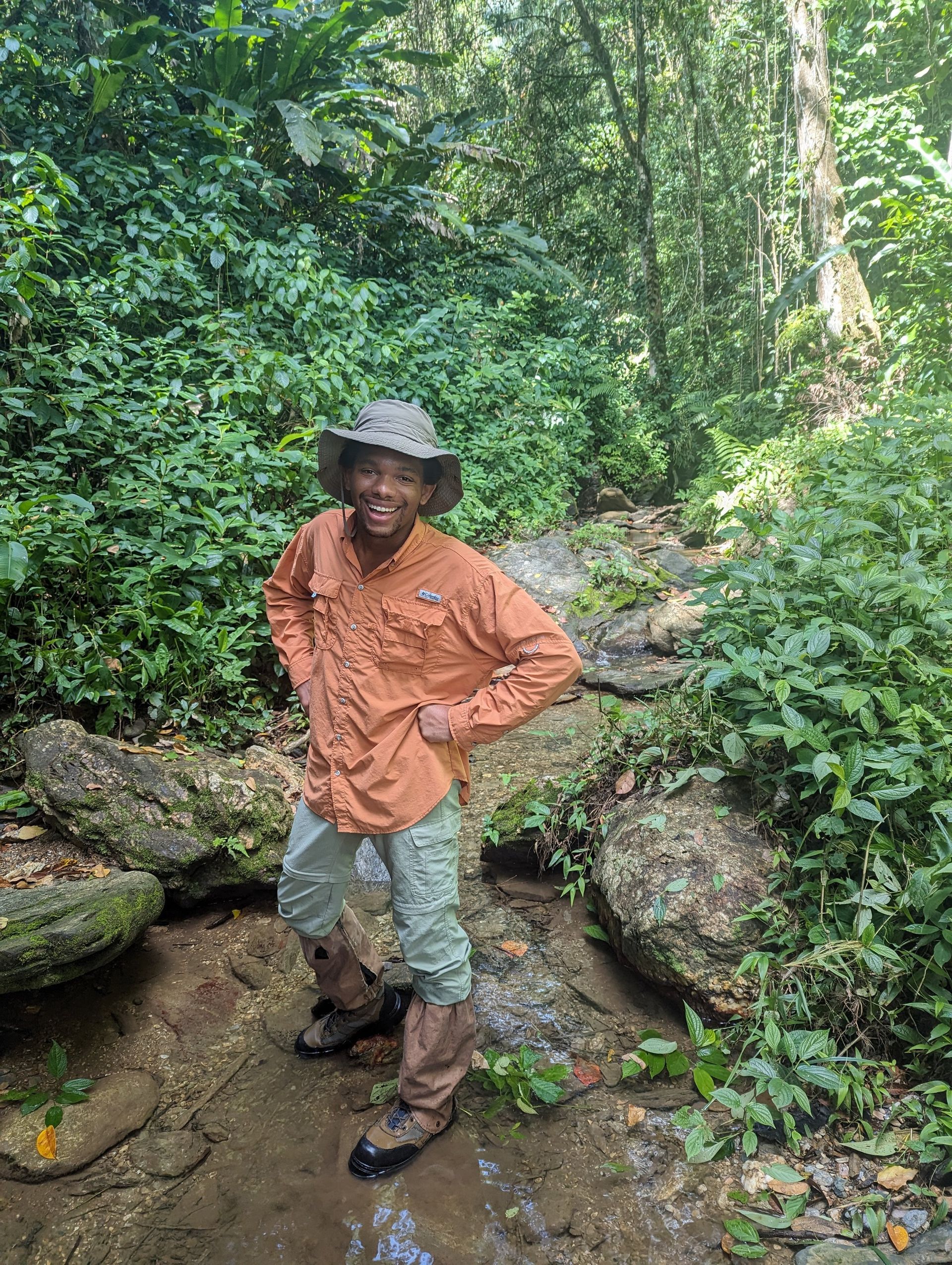
Salutations Everybody! My name is Bryce Messer and I am happy to be serving Severson Dells, for the first time, as an AmeriCorps Environmental Educator. I grew up in Atlanta, Georgia but moved to Illinois a little over 1 year ago, so I am excited to learn everything I can about the natural wonders of the area.


I graduated from the University of Oklahoma with a degree in Biology with minors in Geology and History of Science. Then I received my master’s degree from Southern Illinois University majoring in Zoology. As a requirement for graduation, I developed a habitat management plan for the American Pronghorn across a 140,000-acre ranch in New Mexico.
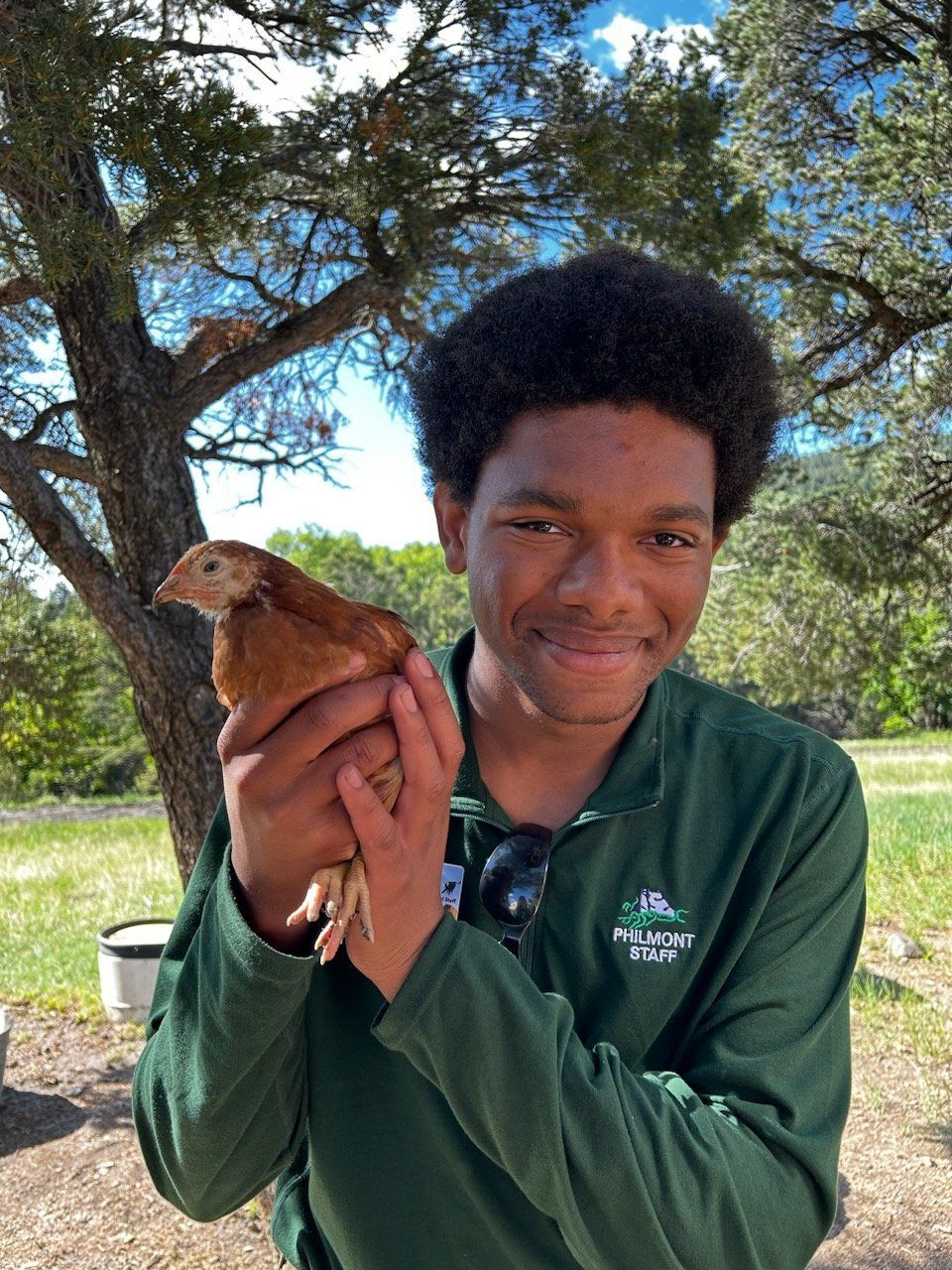

Before my time at Severson Dells, I worked in wildlife rehabilitation with WildCare Oklahoma to nurture sick, injured, and orphaned animals back to health. Following leaving Oklahoma I served as a natural resource technician at Philmont Scout Ranch in Cimarron, New Mexico then traveled to Trinidad & Tobago to study the evolutionary histories of guppies.
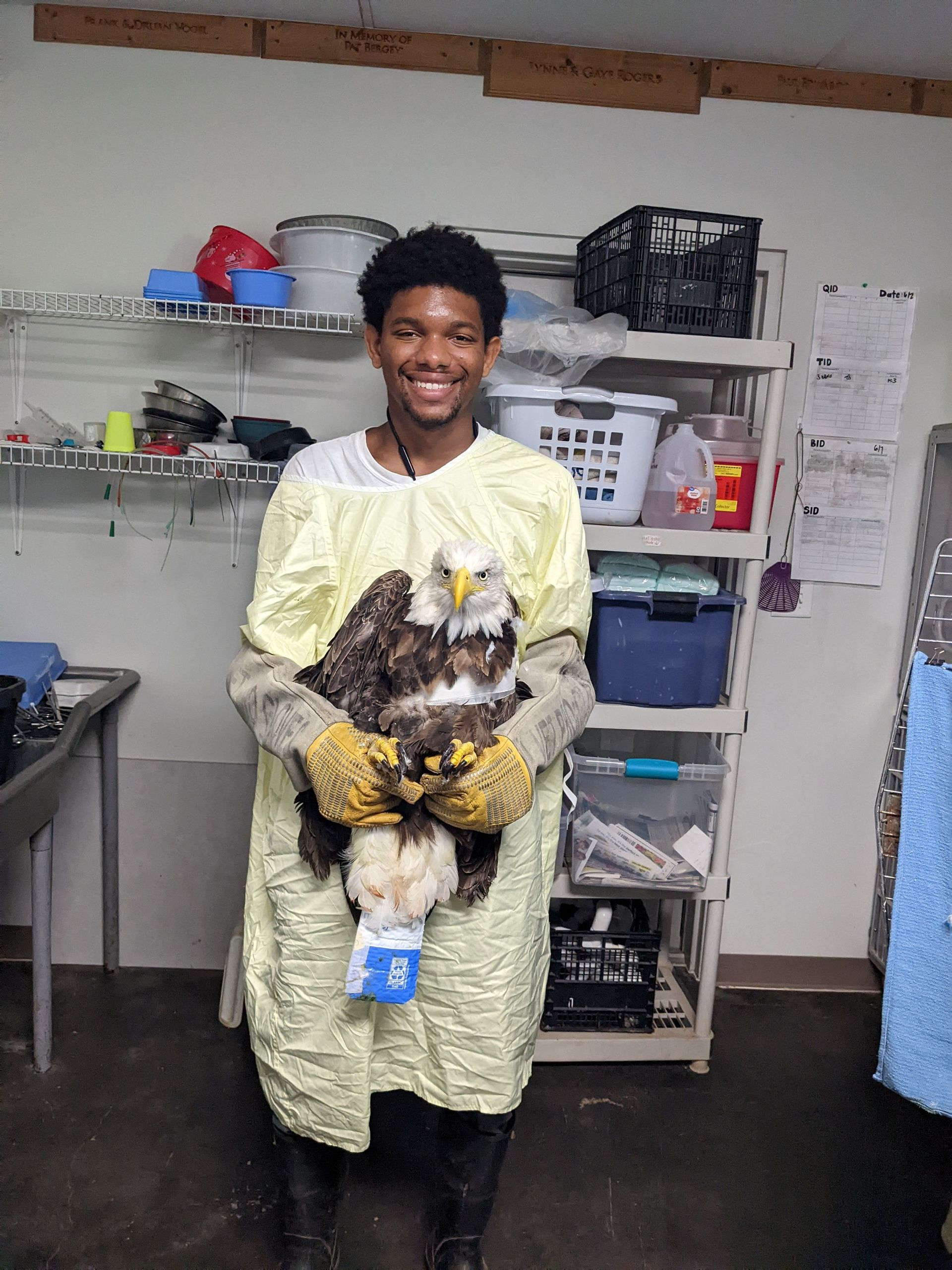


I have had a lifelong love for wildlife and the outdoors which means I spend most of my time outside hiking, fishing, birding, and hunting. When not outside I enjoy playing video games, live-action role-playing, and watching movies & anime.
RECENT ARTICLES

By Olivia Price December 8, 2025
The Profound Power of Aesthetic and Sensory Delight in Natural Spaces to Change Our Relationship to the Environment
By Lauren Bonavia December 4, 2025
Microscopic Nature at Severson Dells
By Ann Wasser December 2, 2025
If you haven’t yet seen the news, there are some very significant pending policy shifts regarding the protection of wetlands in Illinois and across the United States. These are changes we must understand together, because they affect the limited fragile wetlands that remain in Illinois. The Federal Shift: Narrowing the Scope of the Clean Water Act At the federal level, the Environmental Protection Agency (EPA) has proposed a new rule that would dramatically restrict what counts as a federally-protected “wetland” under the Clean Water Act. Here are some of the key elements: The new definition of “Waters of the United States” (WOTUS) would confine protections to relatively permanent bodies of water (rivers, lakes, oceans) and those wetlands with a continuous surface connection to such waters. ( Federal Register ) Seasonal, intermittent, or groundwater-flow-connected wetlands would be excluded from federal oversight. ( Restore America's Estuaries ) The change builds on a 2023 Sackett v. EPA Supreme Court decision, which held that only wetlands with a continuous surface connection to navigable waters are covered. ( Natural Resources Defense Council ) Environmental groups warn that the change could strip federal protections from tens of millions of acres of wetlands nationwide , including many in the Midwest and Great Lakes region. ( WWNO )